
 (+4 rating, 6 votes)
 Loading...
1
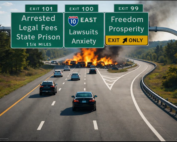
(A/I generated)
Lately, I’ve been reflecting on the shifts happening within modern police culture. As we seem to be emerging from yet another intense anti-law-enforcement cycle, one that drove historic staffing shortages, we now have the opportunity to look at the officers who chose to step forward during that crisis and see how their influence is reshaping the profession.
Work/Life Balance
These folks we’ve been hiring since the turn of the century have a much better work/life balance than previous generations. That’s a good thing. However, as much as I’ve praised the new folks for this characteristic, I’ve started to see some downsides of where we’re going as a culture. As I enter my 30th year in the business this month, let’s look at the evolution and devolution of the culture over the past three decades, especially over the last five or six years.
What’s Changed and What Hasn’t?
To be fair, some things never change. Some things don’t evolve or even devolve in police culture.
Admin v. Real Cops
Administrations are seen by the rank and file as some distant evil force who got into their positions by compromising their ethics. Not much has changed, and nothing will ever change, in this regard. When I was a patrolman/sergeant, I thought the same thing. In my opinion, administrations fail to communicate down the chain, and there will always be a disconnect until we, in admin, get it together.
What has changed is the ability to communicate those thoughts up the change either through basic chain-of-command concerns or through union negotiations. We see more folks complaining about their real or perceived situations, which forces administrations to respond defensively. That’s also a good thing. A little conflict can be good. The downside is when that information is not disseminated upward and only used to stir discontent amongst the ranks, nothing is accomplished. I see a lot more of the latter.
Gossip
Cop shops have always run on high-octane gossip. It’s in our DNA: We’re nosy by nature and paid to indulge ourselves thusly. That’s productive when focused on the work, but not when the light is turned inward. Internal gossip poisons morale and is almost invariably untrue. It’s no less damaging to an organization today than it was 30 years ago. When you get a few decades under your belt, you tend to avoid participating in those inane games. Just a little advice:
Spanish Proverb:
You are the master of what you keep secret and a slave to what you reveal. Much like professional sports, it’s not the one who starts trouble; it’s the one who gets caught with subsequent action who gets flagged. It’s not fair, but that’s the reality. The same concept goes for the person who hears gossip and then spreads it. Just smile, nod, and shut up.
Nobody Hits My Brother but Me
Some things have changed, though. What we called the “nobody hits my brother but me,” principle is all but gone. Cops once had a unique culture where we tended to figuratively beat each other up, while maintaining an insular, familial environment. We reserved the right to criticize each other, but wouldn’t allow it from the outside. If a cop didn’t do the little things to protect another cop or their families, the guy would likely be scorned for the rest of their newly shortened career. The loss of this canon will be painful. Loyalty is everything in a trust-based profession, and we’re losing that.
Floater
Of course, there has always been the occasional floater who doesn’t understand doing the right thing or the absolute necessity of a team environment. They used to be rare and shunned by most of their colleagues. These days, the Blue Falcons seem to ooze their way through their careers with little intervention by their peers. That won’t end well for us.
What I Miss
Some of these evolutions are good. Some are not. Here’s what I miss:
Parking Lot Committee
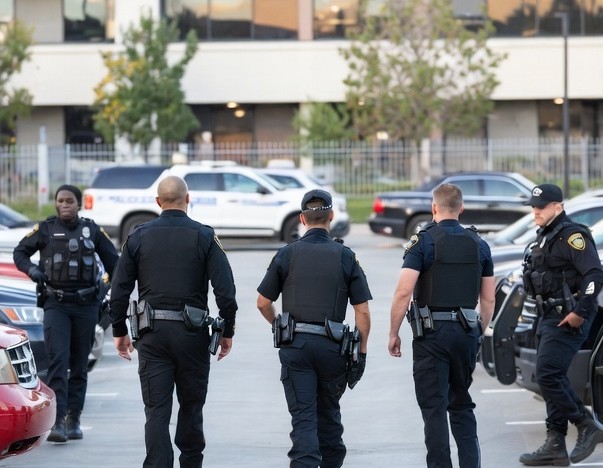
A lot of issues can and should be addressed here, informally at first.
Peer pressure is exponentially more effective than any police administration at addressing problems within the organization. We used to hang out after the shift for a while, and if someone needed vigorous verbal counseling for failing the culture, that was where that character building occurred: in that venue, from the most influential people in the department, their peers. Positive and negative peer leadership is missing in today’s culture.
Institutional Knowledge
In my opinion, this all started when we lost our experienced field training officers. I can’t explain it, but at some point, our FTO’s – with decades under their belt – lost interest in that imperative leadership role. That institutional knowledge is all but gone now, and the gap it’s created is obvious. We’ve lost that integral part of our culture, and I’m afraid it’s not coming back.
To Cop or Not to Cop
We are seeing more young folks become interested in public service as the pendulum swings back our way. We need to make sure we take advantage of this situation. If we don’t figure out how to rebuild the profession’s spine without breaking its soul, thirty years from now, there might be some other tired, old guy writing the same exact article, yelling at clouds and telling rookies to stay off his lawn.