
 (+5 rating, 5 votes)
 Loading...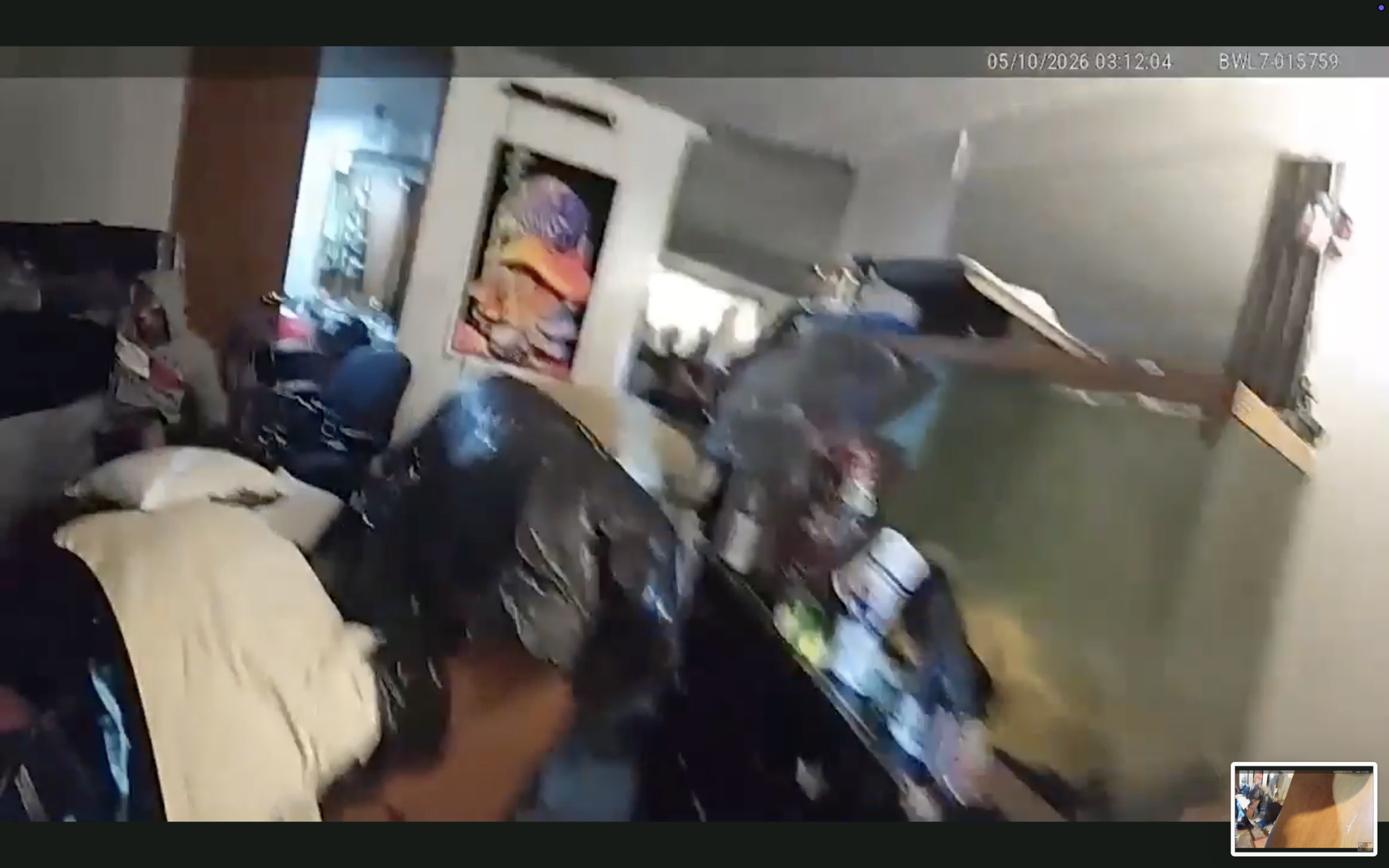
trainSuspecr2026-07-26 at 12.29.38 PM 1
Between the officers, the suspect, and the hostages there are pillows, furniture, garbage bags, and who know what else. Are objects like those present in our training? (Screen capture BWC footage)
One of the things I miss about street cop work, as well as supervising those who do it, is the chaos.
Seldom are things neat or pretty. Often, the scene is a mess – emotionally and/or physically – and it was that way long before “we” got involved in the current event.
I would have titled this Train Like You Fight. However, I’m pretty sure some non-cop readers might begin clutching their pearls or melting down over the idea.
Now, take a second to consider the environments, the conditions in which your training is conducted.
Recent OIS Video
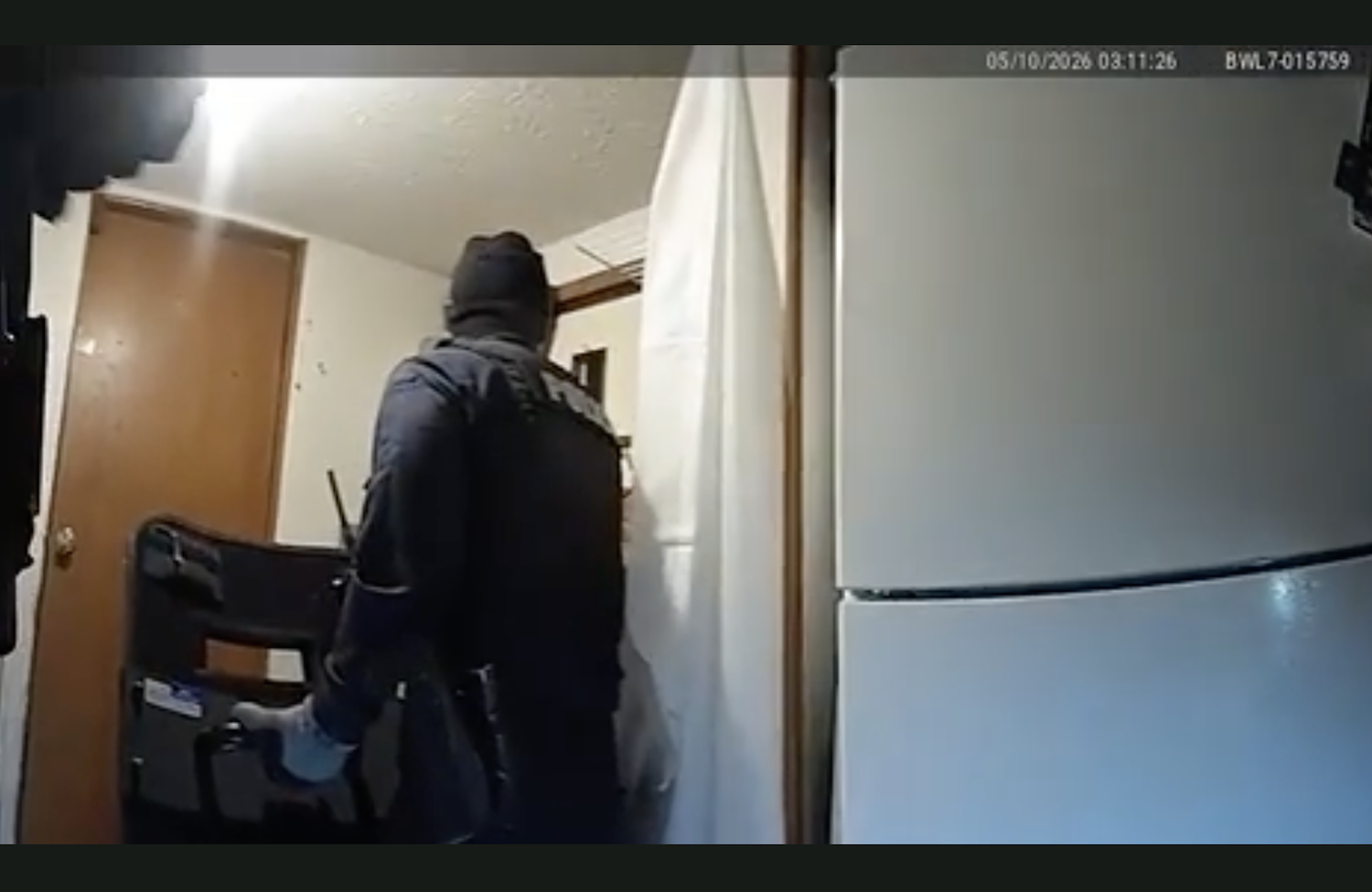
The view from outside of the room with the hostages and suspect, just before the door was breached. (Screen capture BWC footage)
In early July, the Illinois State Police released body-worn camera footage from a May 10th shooting that involved the Bureau County Sheriff’s deputies and Princeton police officers. At 2:49 am those deputies & police officers responded to “a domestic disturbance call involving a suspect holding multiple people hostage, including two children. Officers were advised that the suspect was armed with a knife. They entered the home when they heard screaming outside.”
What followed certainly appeared chaotic.
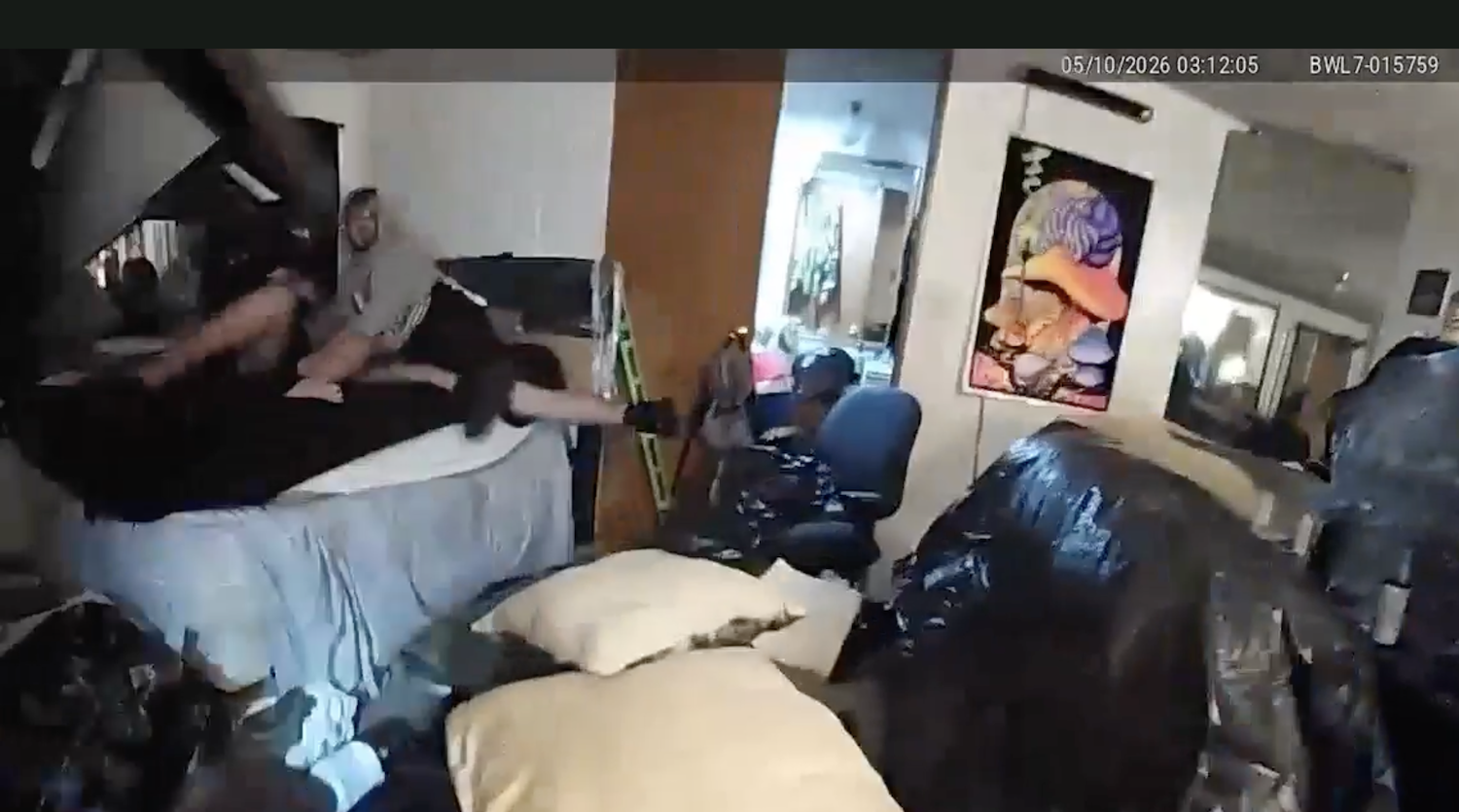
Right about the time shots were fired in Bureau County, IL. How does it compare to the training facilities you’ve experienced? (Screen capture BWC footage)
The suspect ultimately used a 3-year-old child as a shield. A police sergeant made the decision that deadly force was the only reasonable method for ending the threat to all the hostages. He fired several shots. Tragically, one of those rounds struck the child.
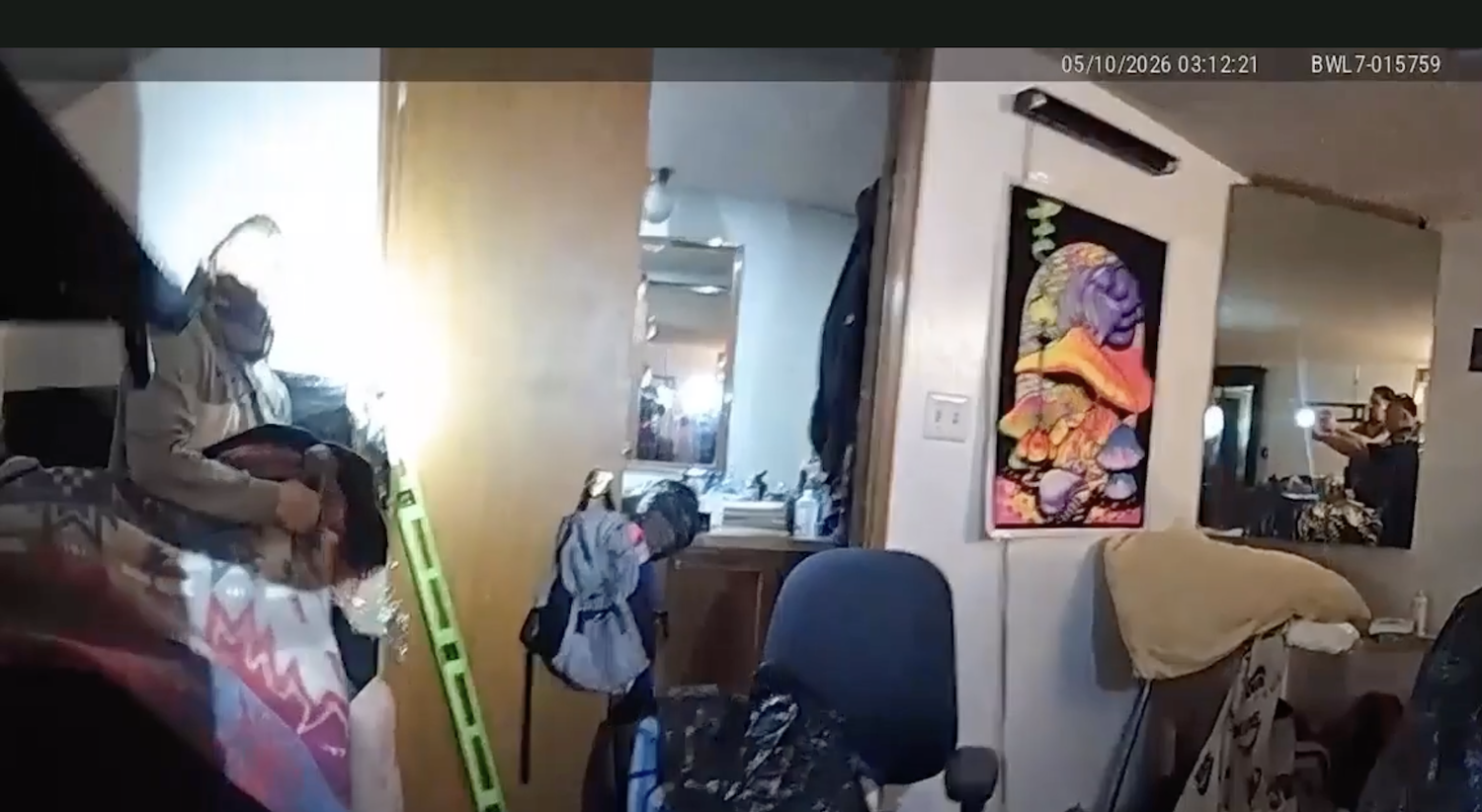
Immediately after the Bureau County OIS, the suspect was still holding one hostage. (Screen capture BWC footage)
The investigation does not seem to have been completed, so I will not form any opinions. What I want to discuss is the training environments we use.
Are those environments too sterile? How closely do they mirror the conditions and situations we face during the events?
Driver’s Track
My police academy driver’s training came from the Bondurant School of Racing out at California’s Sears Point Raceway (now known as Infineon). As best as I can recall, it was a good class. One thing we did not experience, that California POST later mandated, was the presence of other drivers on the course. Not other recruits, but seemingly uninvolved drivers who became part of the problems we had to remain aware of and address during the simulated pursuit. Granted, we were briefed they were present.
Driven by instructors who had experienced that behavior on the roads, they mimicked it quite well. Regardless, they added a level of the unexpected to the event.
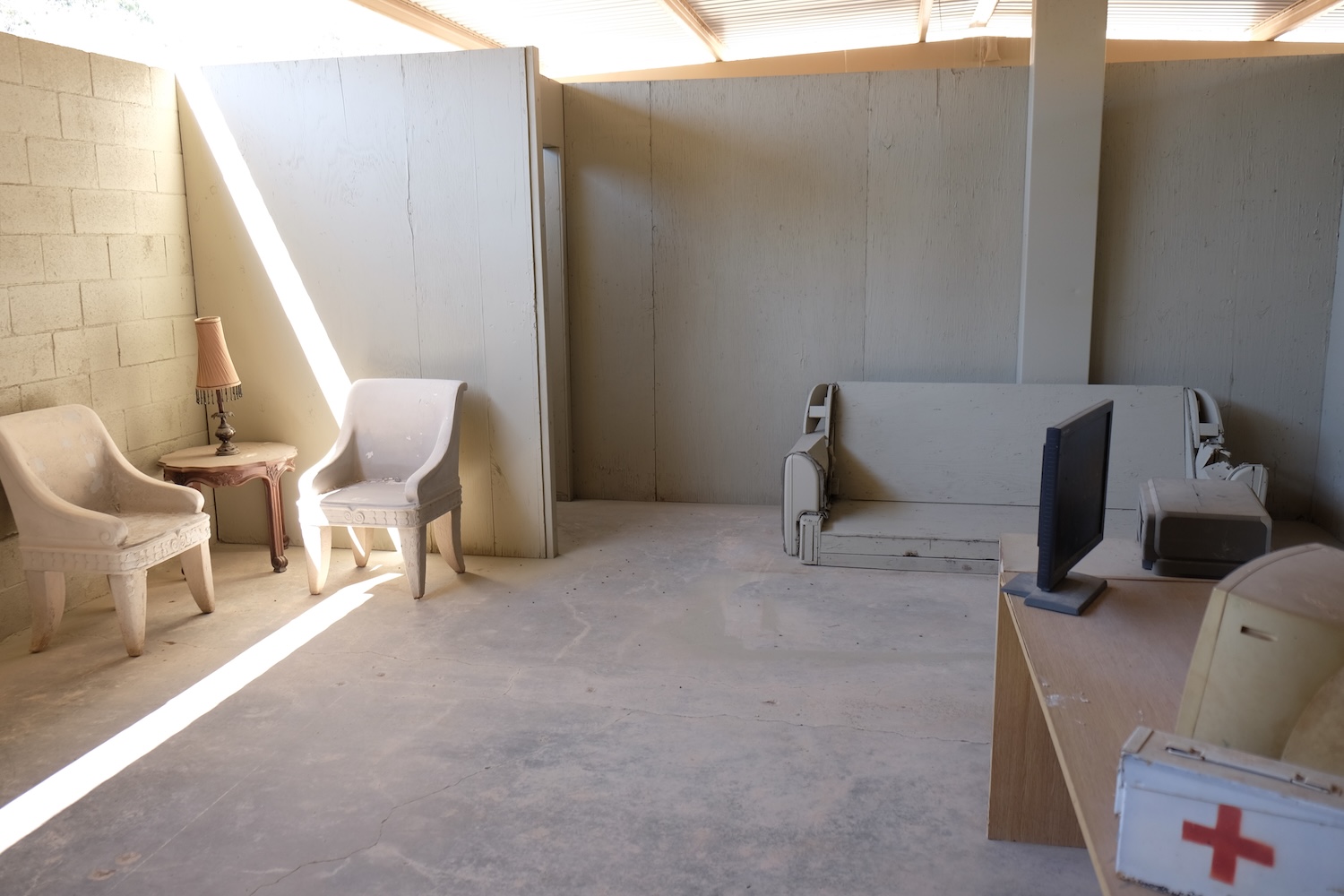
This shoot house has furniture, rather than just an open floor plan. However, it is not as visually chaotic as some residences.
Most Shoot Houses
For those who have used “indoor simulators” (shoot houses), think about their interiors. How clean, sterile are they? Or are they more like the structures, especially residences, we enter during our work days? Clutter, debris? So much “stuff” that it is visually confusing? Is your balance and footing compromised?
During my National Guard unit’s train-up for Iraq, we trained in a series of structures on the Dona Ana, NM range complex. Those structures were constructed of plywood above a gravel floor. I don’t recall any doors or furniture inside the rooms.
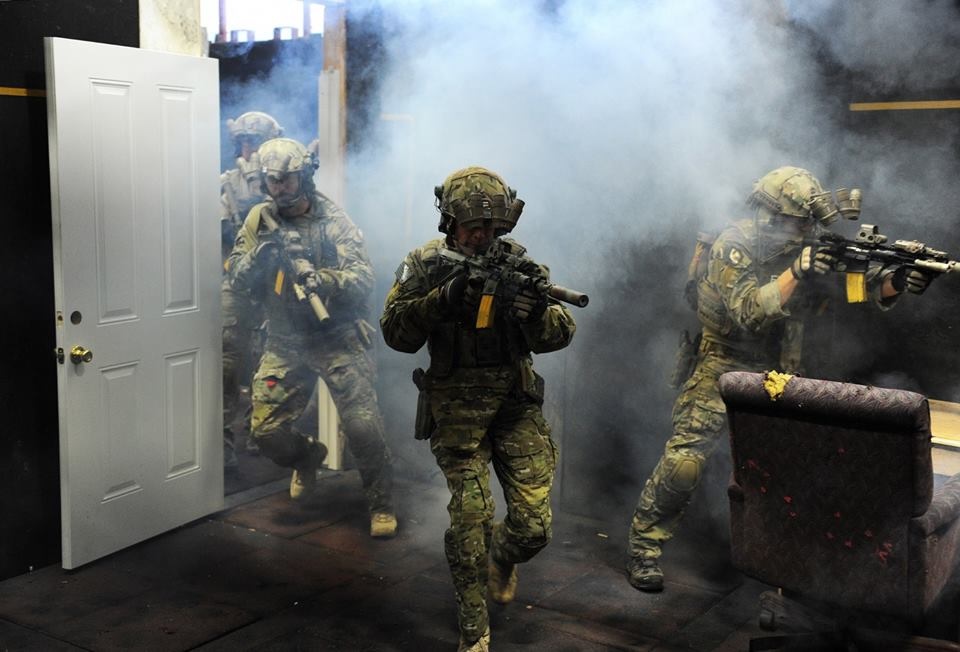
A tactical team entering a room inside an FBI shoot house at Quantico, VA (PC – FBI publicly released image).
When we got to Iraq, one of the early residential compounds we raided had several goats and sheep in the living room. Not the same as the structures we trained in.
Outdoor Simulators
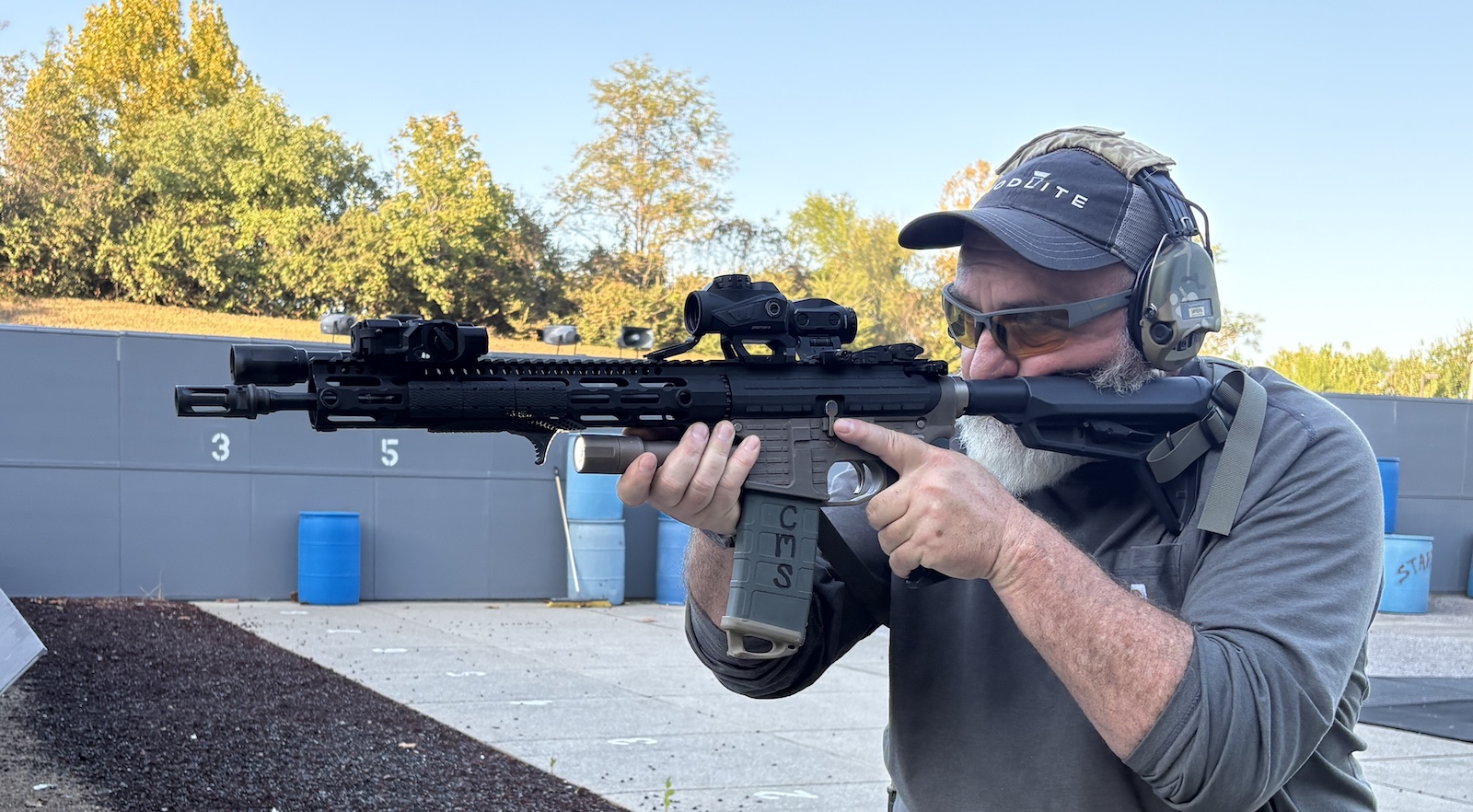
Regardless of the firearm involved, the majority of those outdoor spaces that I have shot on required you to be very aware of your footing. There were rocks of various sizes. The microterrain would change with the previous year’s rain and runoff.

Training needs to stimulate students’ minds, especially in the environments we work in (PC – Adobe).
These issues reinforced points such as the need to process potential threat areas while knowing what is directly underneath your feet. And then being able to switch to any shooting problem.
Grav South Dope Rip
One of the scenes I supervised as a patrol sergeant was a multiple-victim dope rip. Two suspects (who were eventually identified and convicted) came to my county from Philadelphia. Once there, the suspects shot all three victims before fleeing with several pounds of marijuana. One victim was obviously dead when we arrived, a second was leaking brain matter (he died later), while the third bore some resemblance to the character of Carrie in the first version of the movie.
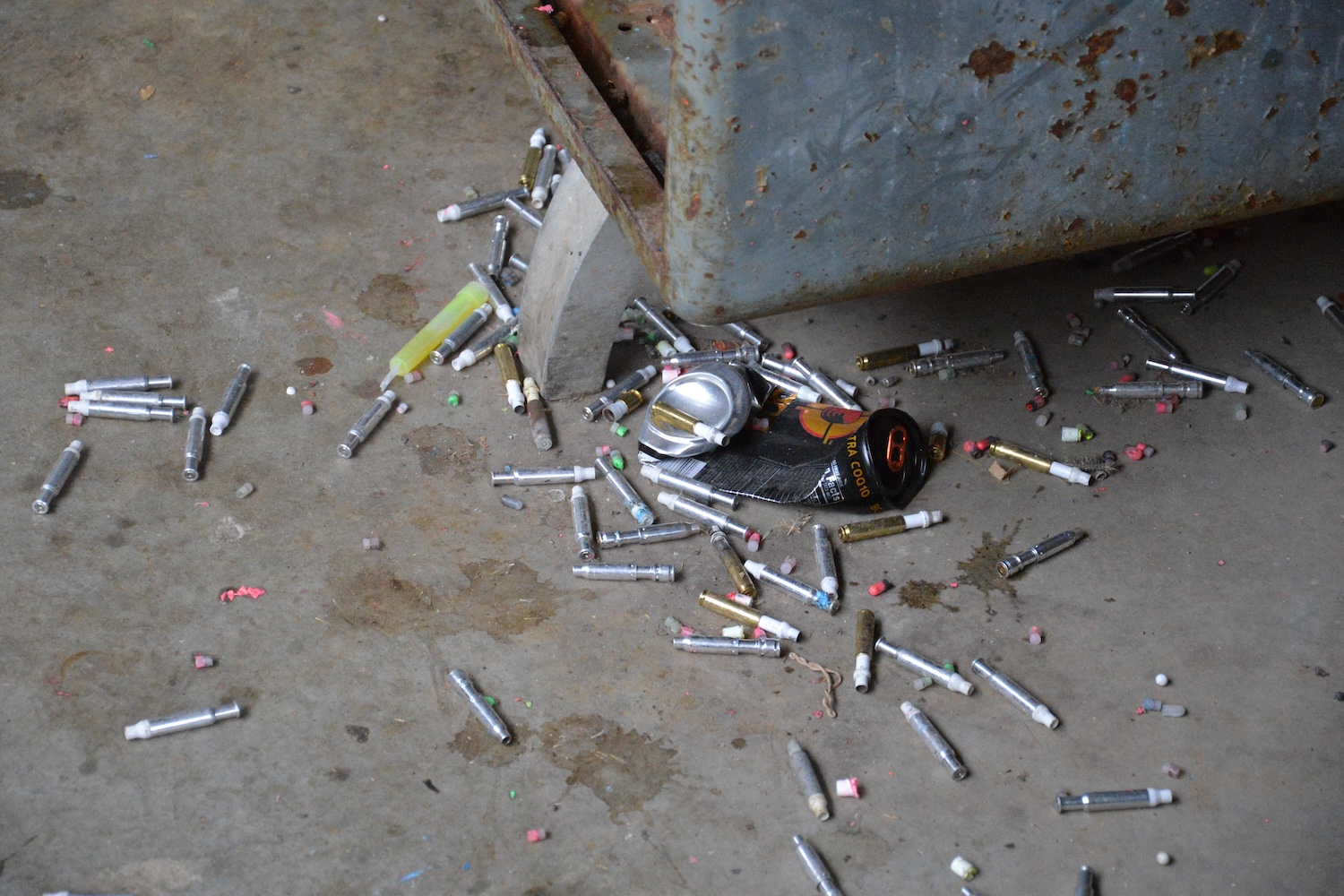
Part of the debris and visual chaos on the floor at DARC (PC – ML).
A fire engine arrived with us. Due to previous experience and training, the deputies bypassed the third victim, leaving her for the firefighters. Those deputies then addressed the tactical problems they were tasked with handling.
DARC
Several years back, I attended two training conferences outside of Little Rock, Arkansas. The host facility is known as DARC, or the Direct Action Resource Center. Their large shoot house was on point in terms of addressing my thoughts so far.
When I first entered the main DARC shoot house, I saw the debris, the visual chaos. This was on the floor in the hallways and rooms. One of the sessions I attended during that conference involved negotiating parts of the structure. At the same time, while dealing with the debris and visual chaos. Being aware of how much of yourself you are exposing while maintaining your balance makes a run-through much more interesting than just moving through, scanning, and engaging targets.
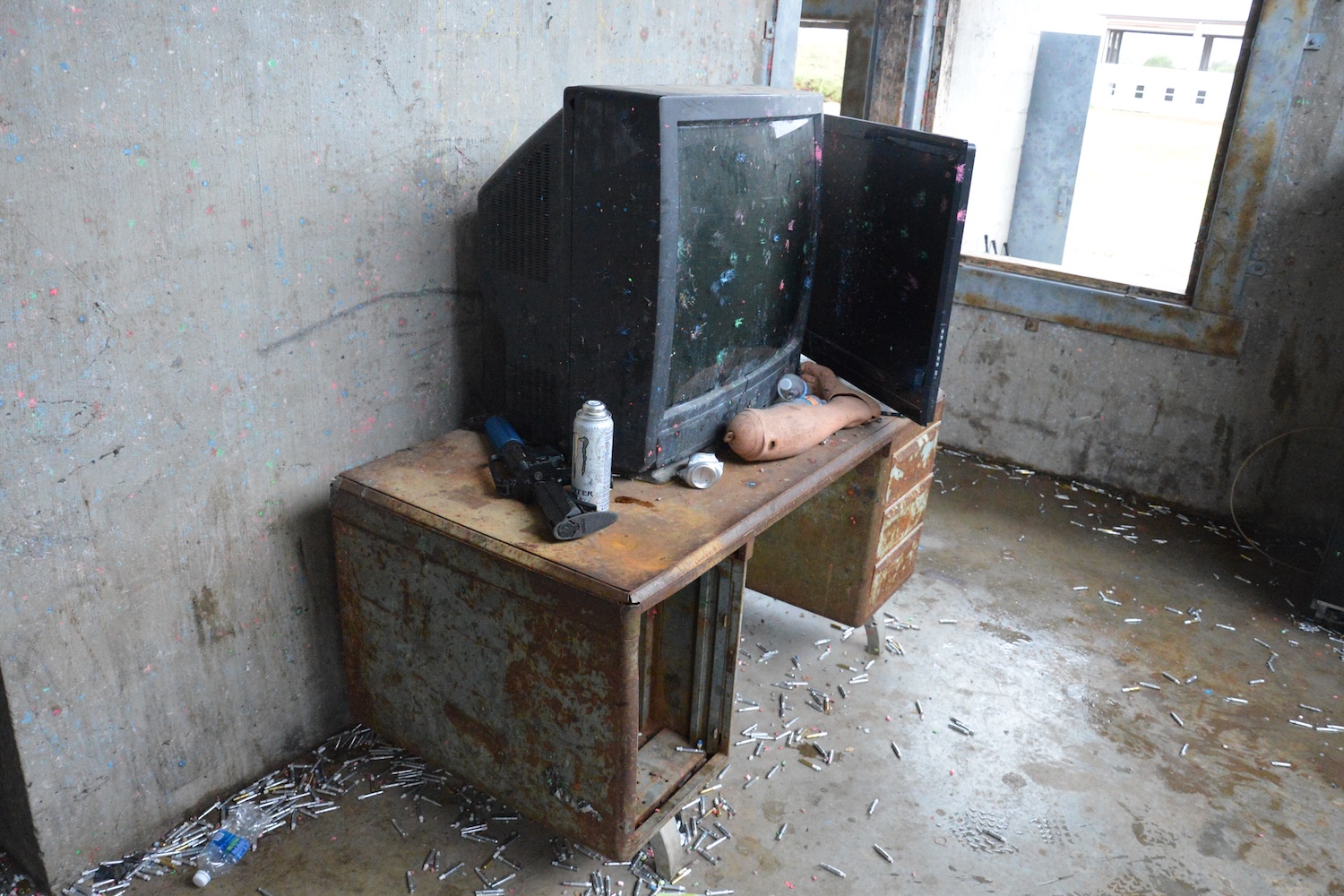
One room in DARC’s main shoot house. Unfortunately, none of the photos depicted the clutter and visual chaos I recalled (PC – ML).
Final Thoughts
In terms of learning foundational skills and starting to progress, I can see the value of a sterile training environment. However, as individual skills are solidified, trainers should layer in elements that simulate the chaos and visual confusion often seen in real-world events.
After laying the foundational skill we are focused on through Explanation-Demonstration-Imitation, the Practice part should include confusion, chaos, and visual clutter that our operational environment has all too much of.