
 (+6 rating, 8 votes)
 Loading...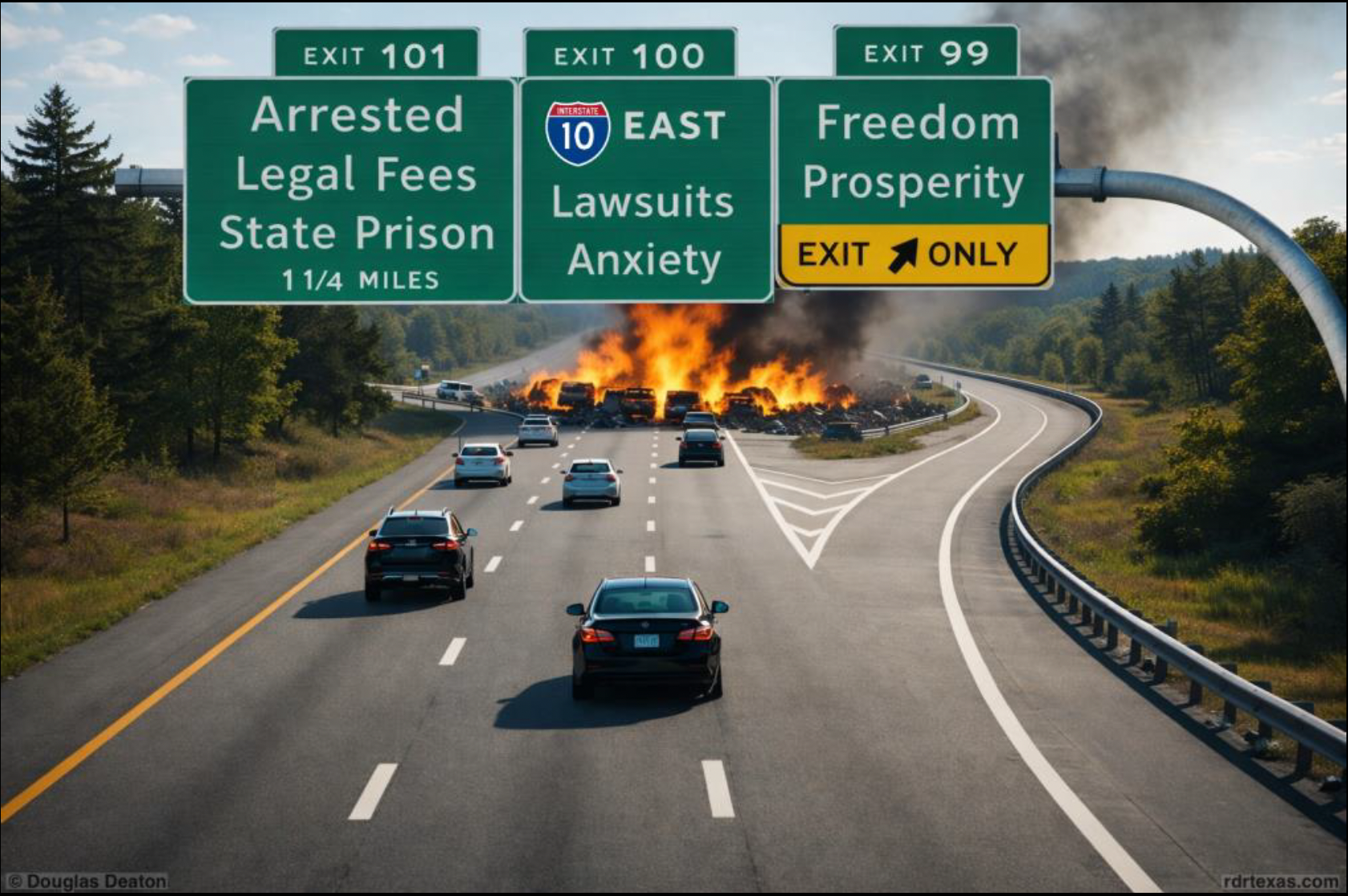
Screenshot 2026-04-06 at 10.30.47 AM
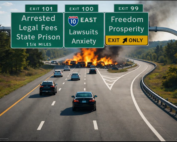
Here's the Off-Ramp. Makes sense to me. Now. (A/I generated image)
Expert Witnesses are the people who get to tell the triers of fact why things happened the way they did. Why what you did was reasonable and in line with your training. Or it wasn’t. All sides use them – prosecution and defense, plaintiff and respondent.
You might have been in court with them on a variety of cases – I testified as an expert in several areas. However, this article looks at use-of-force events. Unless you have experienced a civil or criminal case behind your use of force, you may not have seen how experts work and how they think.
If you are involved in a use-of-force case that is going to the legal system, you need to be as well-informed as possible. Know the law, research the experts being selected, weigh in with your perspective, and stay engaged.
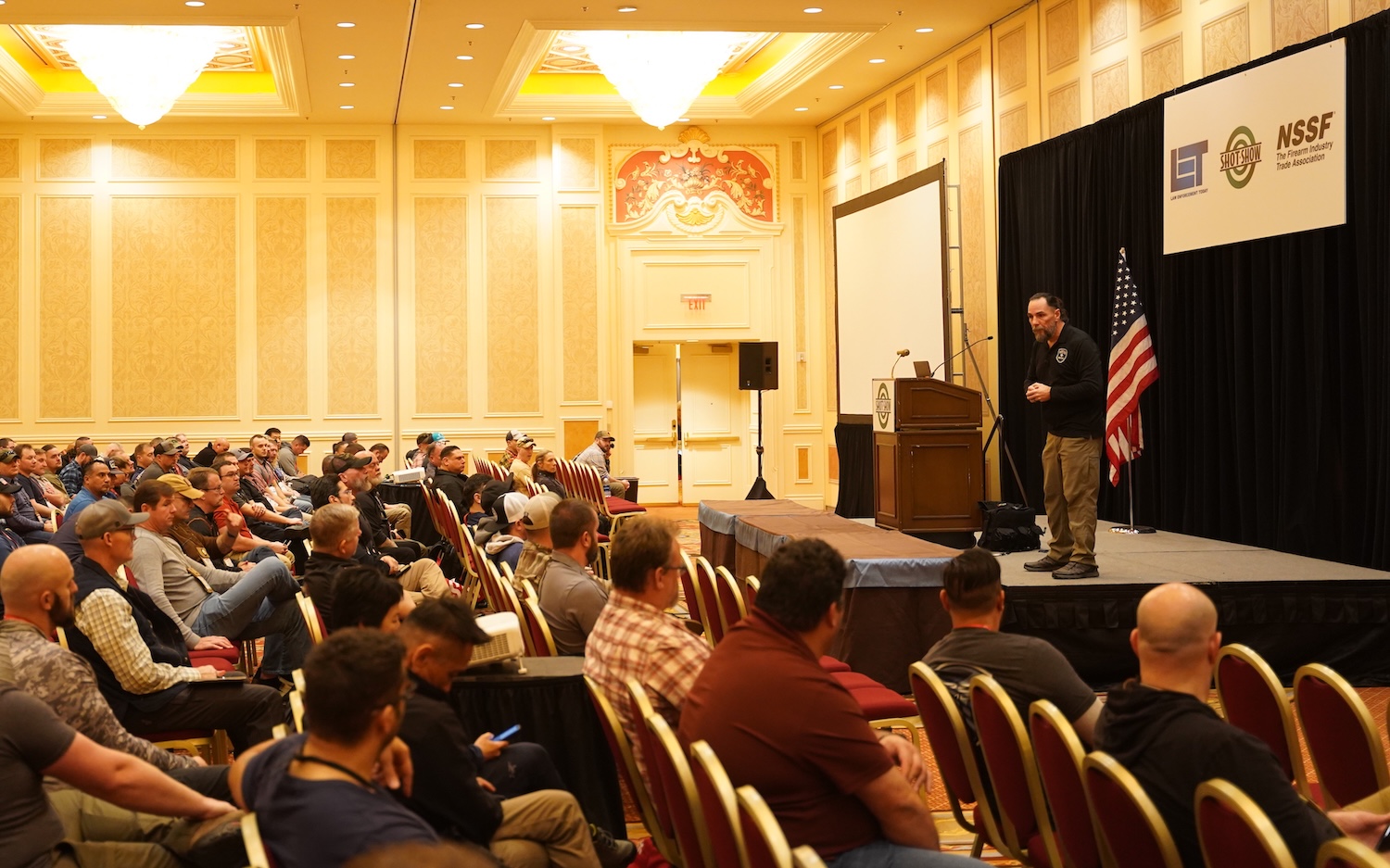
This is an overview of a recent presentation on several assaults in the civilian (non-L/E) world. AmCop author Doug Deaton worked on all of them. After a 26-year career, Doug retired as a Lieutenant from a suburban Dallas agency. He has been working these cases for four years and has been recognized as an Expert witness in four states.
I’ve known him for 15 years, meeting him in the aftermath of a negligent low-light shooting by his agency. That simple act allowed several of us to defend the use of weapon-mounted lights at our agencies.
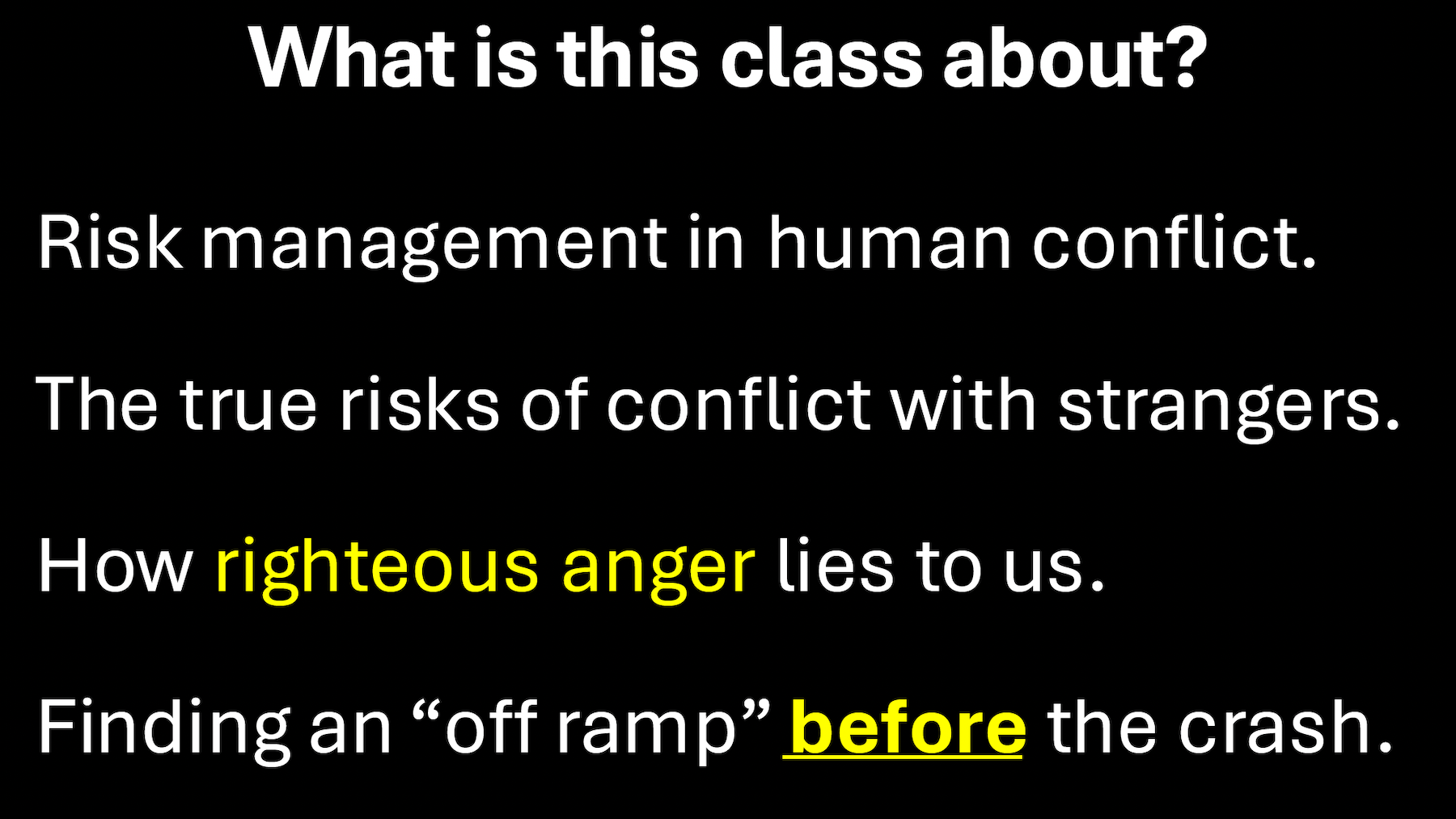
The areas Doug emphasized during his lecture.
Staying Out of Court
Doug’s presentation was titled “Conflict, Ego, and the Law.” While focused on civilian events, there are relevant takeaways for officers.
Doug approaches this material as a litigation consultant who testifies as an expert, rather than as an expert witness.
With the idea of learning from others’ mistakes, regardless of their job, he focuses on risk management. Doug starts by diving into the idea that many have little to no understanding of the actual risks. You can’t manage what you don’t understand. Only then can we prevent those mistakes.
Well? Do we?
Off-Ramps
He uses the highway off-ramp as the analogy. You are rolling down your favorite stretch of highway as you see rapidly slowing cars and their brake lights. Immediately adjacent is an off-ramp. Do you head for that? Or keep going in the #3 lane?
Take advantage of that opportunity? Or ignore it? What are you risking?
Your quality of life? Your physical health? Financial stability? Reputation within the community, profession, organization? Or your peer group? The physical safety of yourself and your family?
Deaton strongly advises taking an off-ramp when it’s available to avoid financial damage, ruining your personal and professional reputation, and losing your freedom.
Mission?
For starters, what is your “mission” now? Service members can have any number of them, and police officers have a few. As a citizen, you have a narrow window – stay healthy, stay out of custody, and take care of your family.
And while I am a big believer in the Priority of Life, as a retiree, those categories have re-sorted themselves.
Doug covered several terms seen in reports, court cases, and jury instructions. These included: Impairment, Substantial Risk, Disfigurement, Protracted/Permanent or Life-Threatening Bodily Injury, and Serious Bodily Injury.
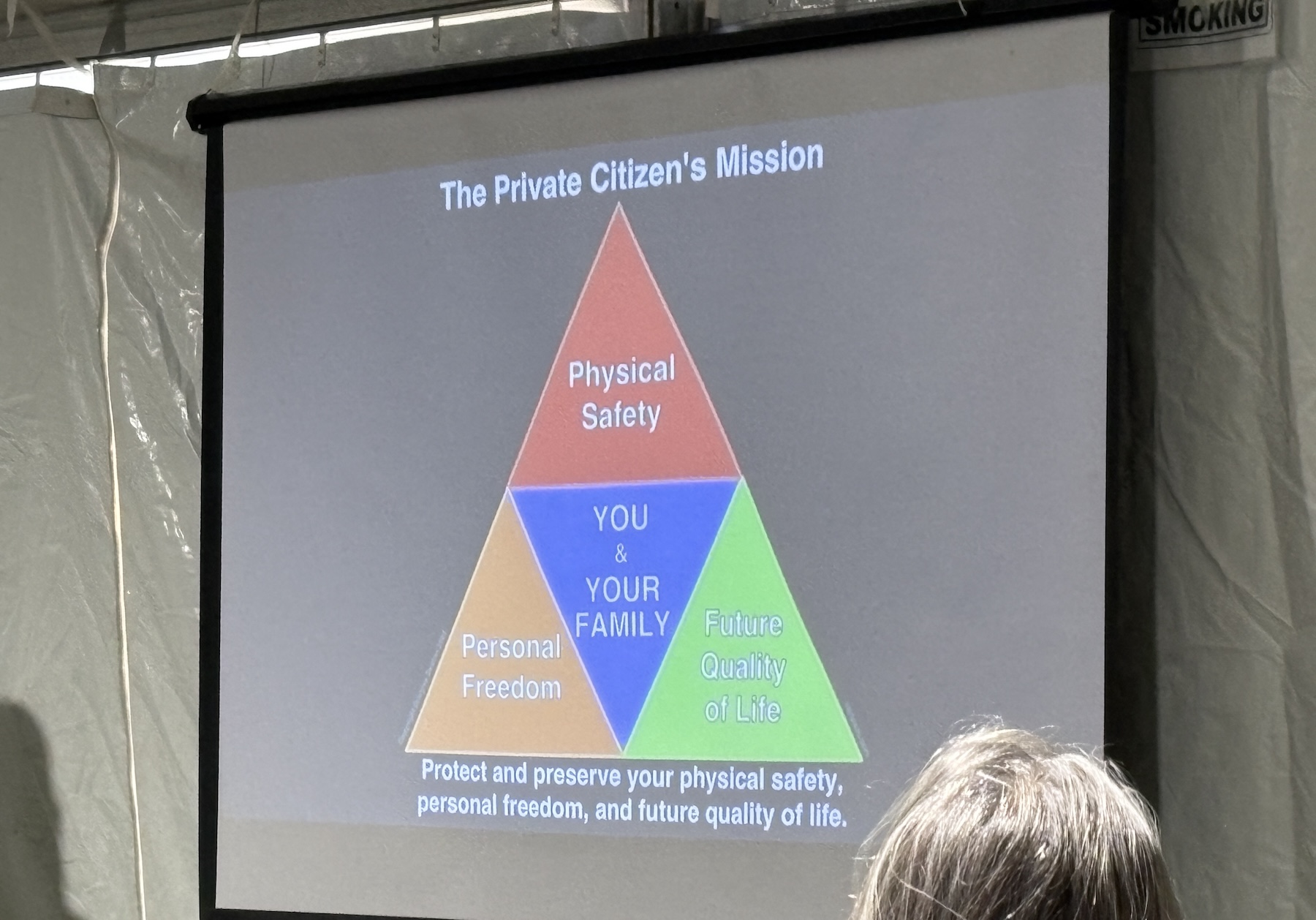
Deaton’s visual depiction of a citizen’s mission.
Cases
Doug broke down some cases he has consulted on.

Claude Werner developed this chart to show the differences in missions between military, law enforcement, and citizens (used with Werner’s permission).
The Mercedes
The first case involved a young man who’d become a bit intoxicated one evening. Leaving his car at the establishment, he got a ride home. The next morning, he called the place to ask about his car. The manager, who was a significant problem child, answered the phone but denied that the car was there. Also, the young man realized he had lost his keys in the business. Dressed for work at a fast food restaurant, he got a ride there from his grandfather. The manager, still a problem, was disrespectful and demeaning based on the clothing.
What the manager didn’t know was that the grandfather owned the fast food chain. He had the young man working every job in the company as preparation for moving into management. The young man could not let the disrespect to him, his grandfather, and the business go unaddressed. Ultimately, as that behavior continued along with pre-assault indicators, he punched the manager – a convicted felon – knocking him down. There was a minor jaw fracture.
Even with everything that preceded the blow, the young man was charged with felony battery. After three years in the system, the outcome was a misdemeanor assault conviction.
If he had switched his ego off and walked away, what would the outcome have been? Especially if he could have backed up 30 seconds.

Anger is a drug to some, just like adrenaline is to others.
Evaluation
Deaton describes risk as the product of probability and consequences. To properly evaluate risk, you need to multiply the likelihood by the likely outcomes. This is not about a $5 bet; it is about $250,000 and several years of your life.
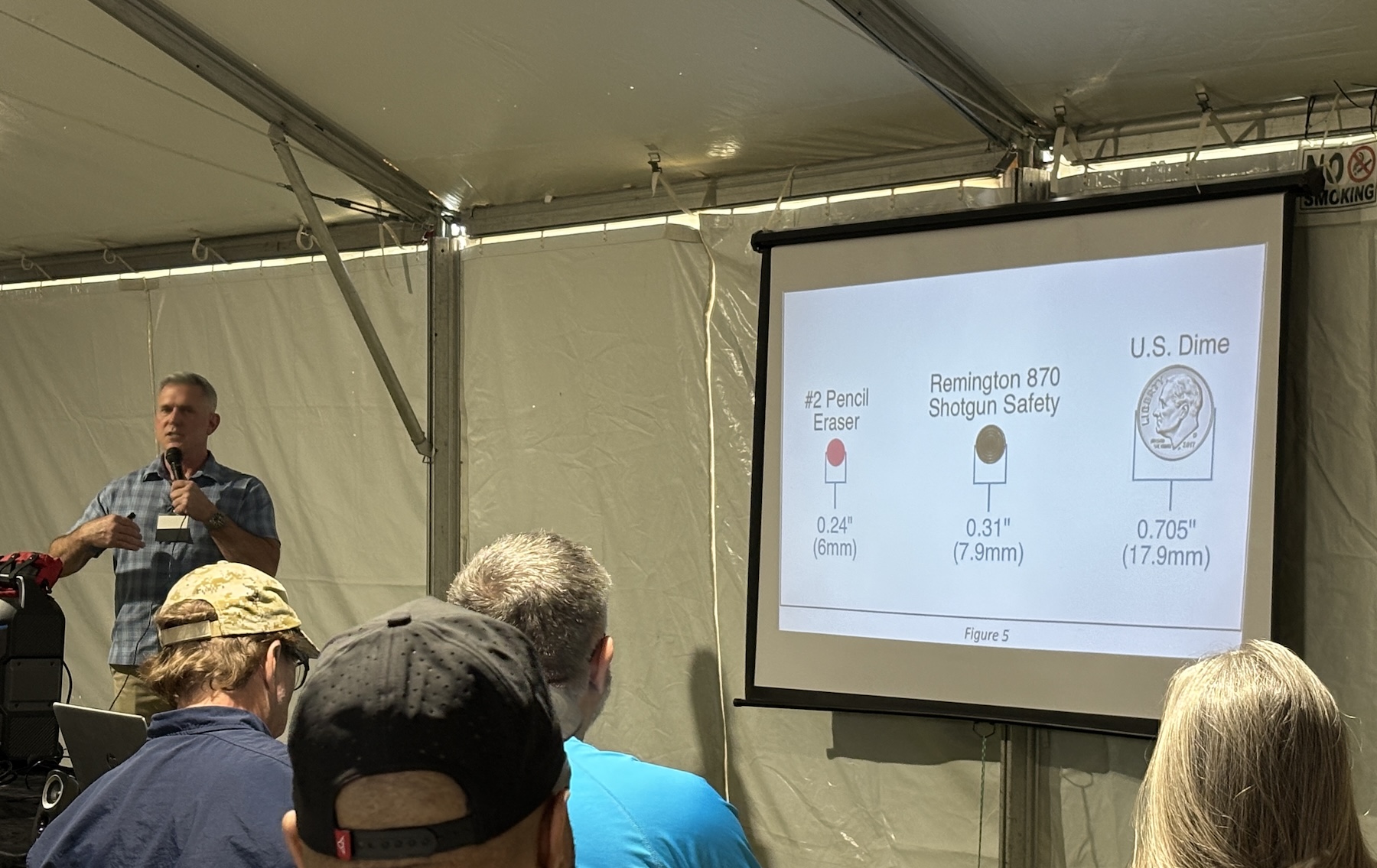
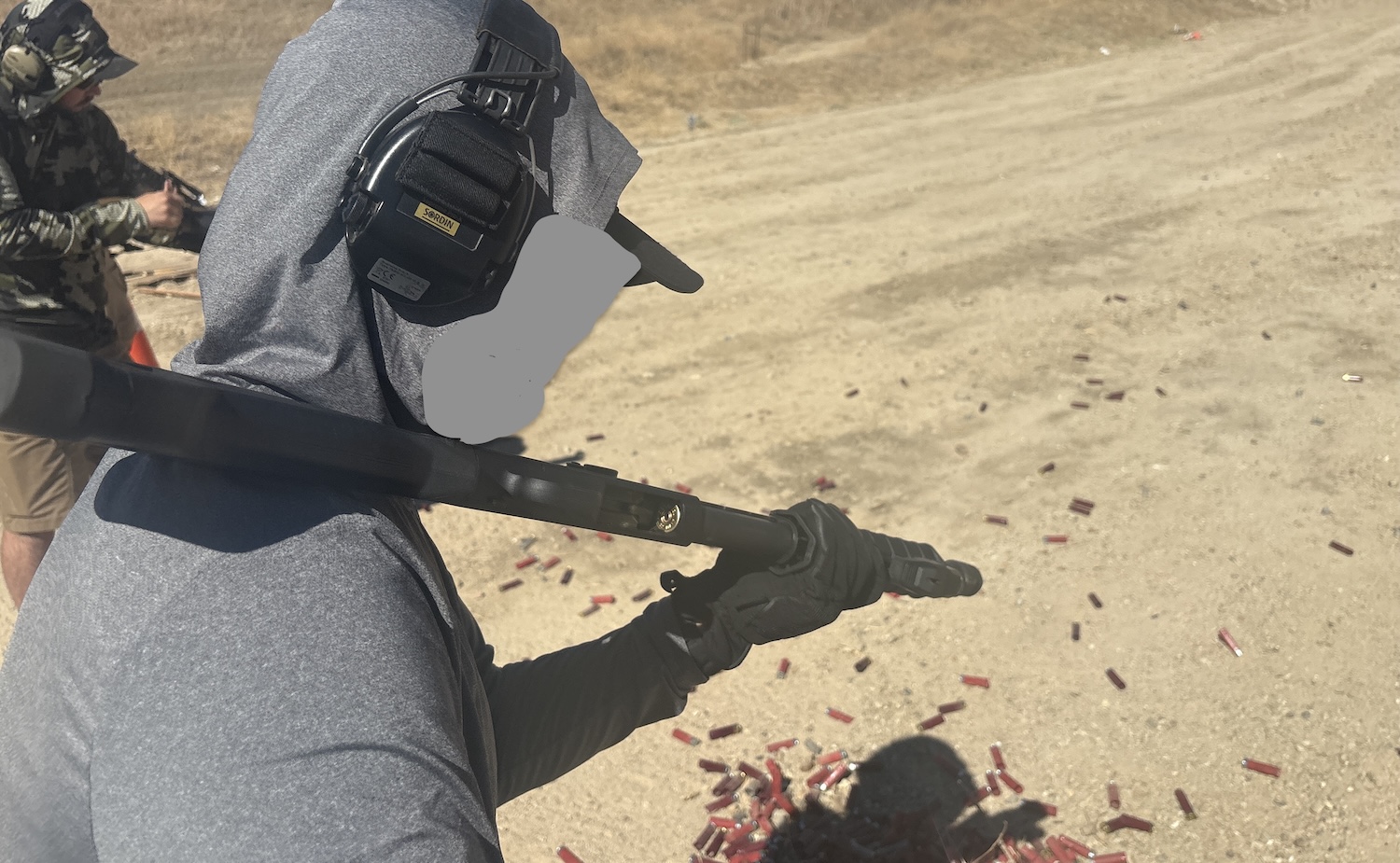
Not everyone knows the equipment involved as they should. In one case, the mechanical became a significant issue. Neither the detective nor the prosecutor was truly knowledgeable about Remington 870 shotguns.
Ducks
In a rural part of the West Coast, one man saw another run over several ducks in the road. That man had a soft spot for ducks. He pursued the other man to an intersection. There, he challenged him in front of his spouse and berated him.
Later, the second man found the first man’s house. There was another argument in front of a spouse and a child. The argument started in the back of the property before going out front.
Once there, the homeowner retrieves a reportedly “on safe” shotgun and loads three shells in it. No weapons had been involved before this. A struggle over the gun follows, and a near-contact shot is fired.
Neither the investigating detective nor the prosecutor has anything resembling competent knowledge of the shotgun’s mechanics. This made the court case problematic.
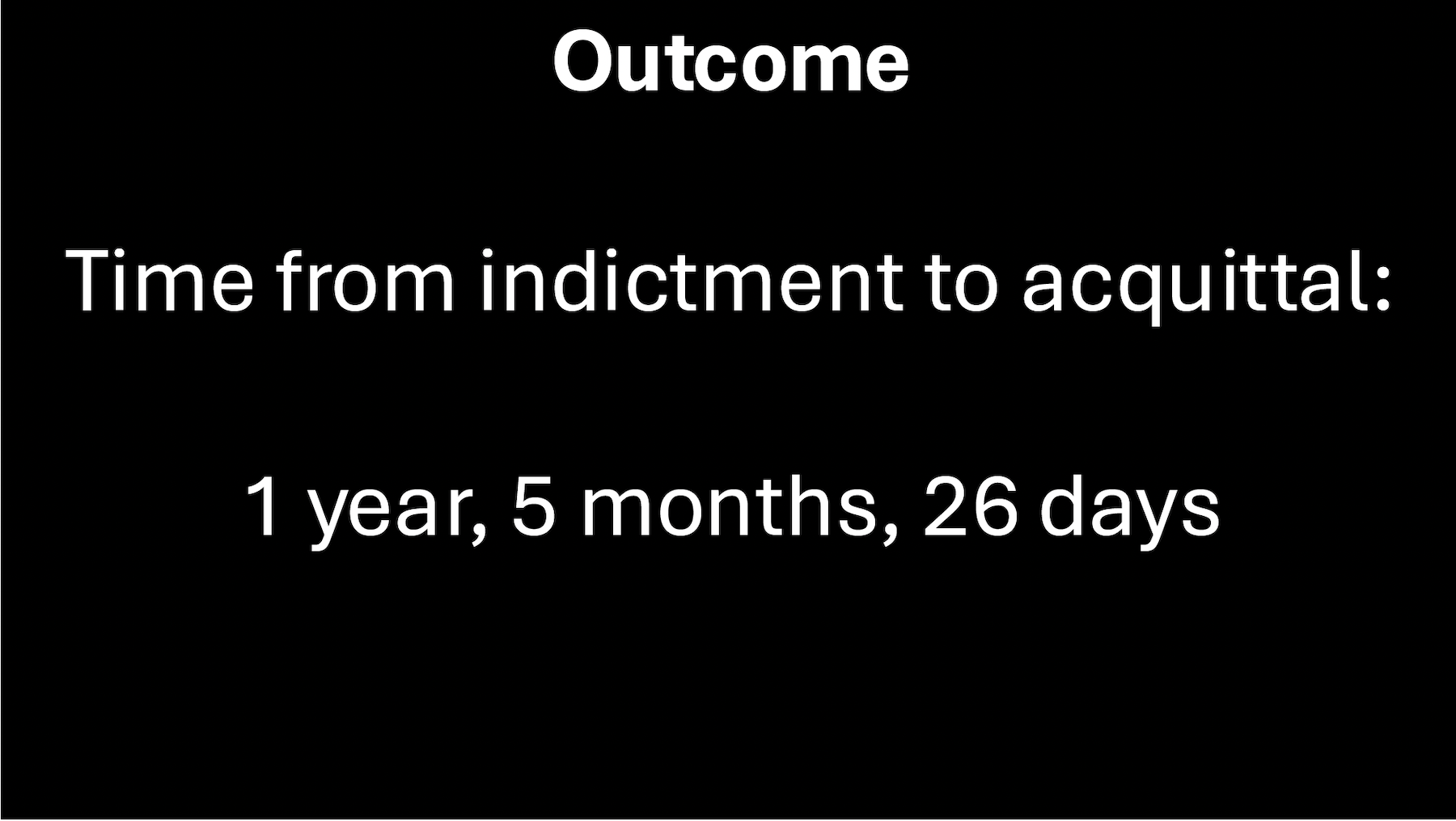
From the last case, 17 months from the event to acquittal is very fast.
Even though he was acquitted, his quality of life was gone. Half the county hated him. Stores and suppliers would not do business with him. Heck of a cost.
Final Thoughts
Identify your personal mission. Determine your acceptable risks. Strongly consider reducing involvement in an encounter to Risk and Reward. Be able to walk away and go home.
CONTACT
If you need to contact Mr. Deaton for litigation support or expert witness considerations, he can be reached through RDR Texas.