
 (+3 rating, 5 votes)
 Loading...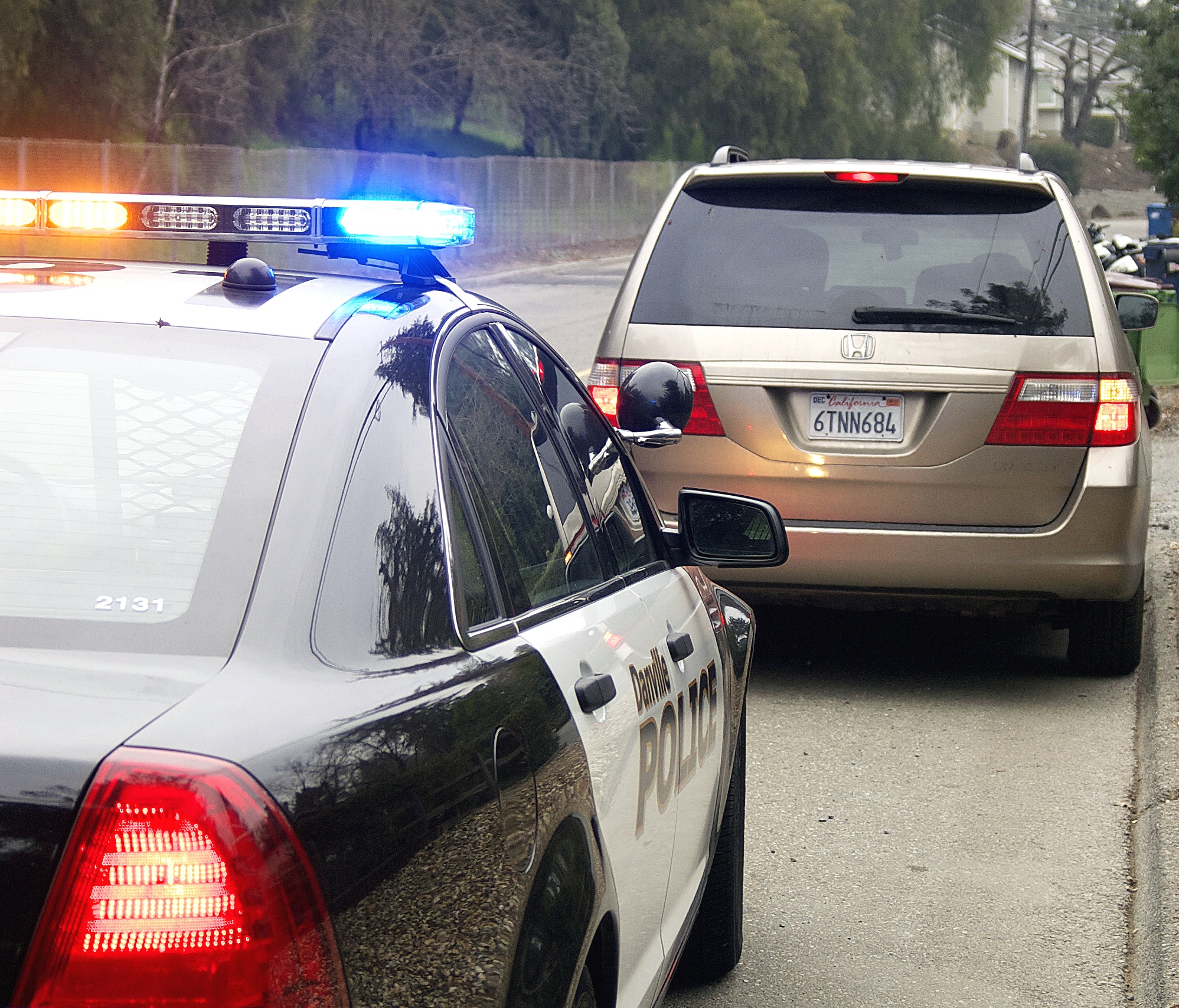
vehTraffic stop
(Editor’s note: Several case law decisions are mentioned. We have covered some before, HERE. Seek guidance from your state and circuit on how they are interpreted there.)

A PIT followed by extracting the driver onto the patrol car’s hood. Is it going to fly in your area?
We commonly call them “traffic stops.” However, because the implication is that the stop is only being made for a vehicle code violation, a prosecutor friend recommends “vehicle stop.” Since he co-authored a book on Terry stops and Terry frisks, I’ll defer to him.
“We” – it’s been a few years since I’ve made one – make them for a multitude of reasons. Most often for traffic safety reasons. Both moving and equipment violations. They can result from directed enforcement. Two examples come to mind – a number of accidents at a given location or complaints about a driver’s actions in a neighborhood. They can result from an observed violation, meaning an officer saw a violation and acted without prior direction. This last one could be an indication of impaired driving.
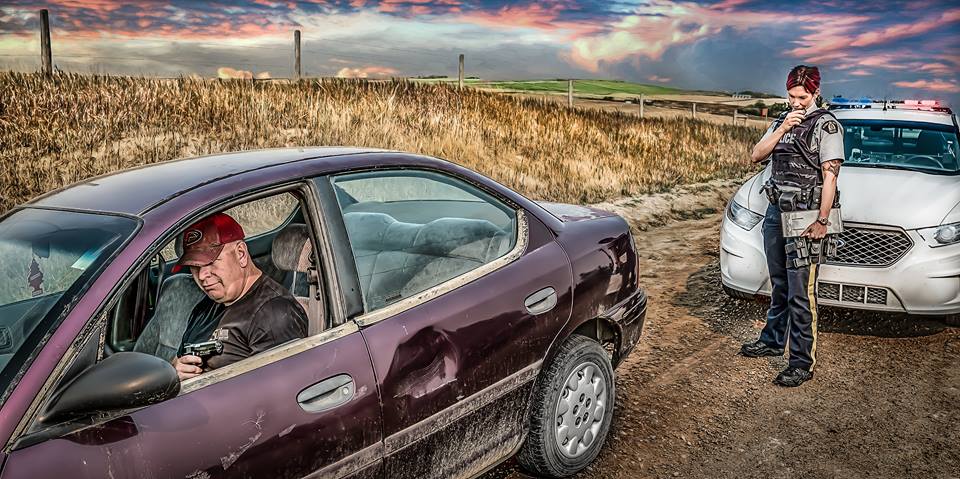
A staged RCMP photo. How many issues would you correct with a trainee? A partner?
There are also those stops made because of a connection to criminal behavior. A match to a be-on-the-lookout broadcast, a recent call for service in the area, or another trigger.
The standard for those stops was reasonable suspicion (Citation).
Why
Finally, enforcement stops can be made for an equipment or moving violation when something indicates to the officer that there is other criminal activity.
These fall into the category of proactive policing. When I started on patrol and for most of my career, proactive policing was a good thing. It was street cops and road deputies doing their jobs. Identify the criminals and interdict their behavior legally whenever and wherever possible.
Sadly, somewhere between 2013 and 2014, things changed. Proactive policing became a very bad thing. It was frowned upon. Politicians tried to ban it. Several agencies ceased to encourage and support it. Tragic.
You know who paid for that decision? The residents of the high-crime neighborhoods and those who lived nearby.
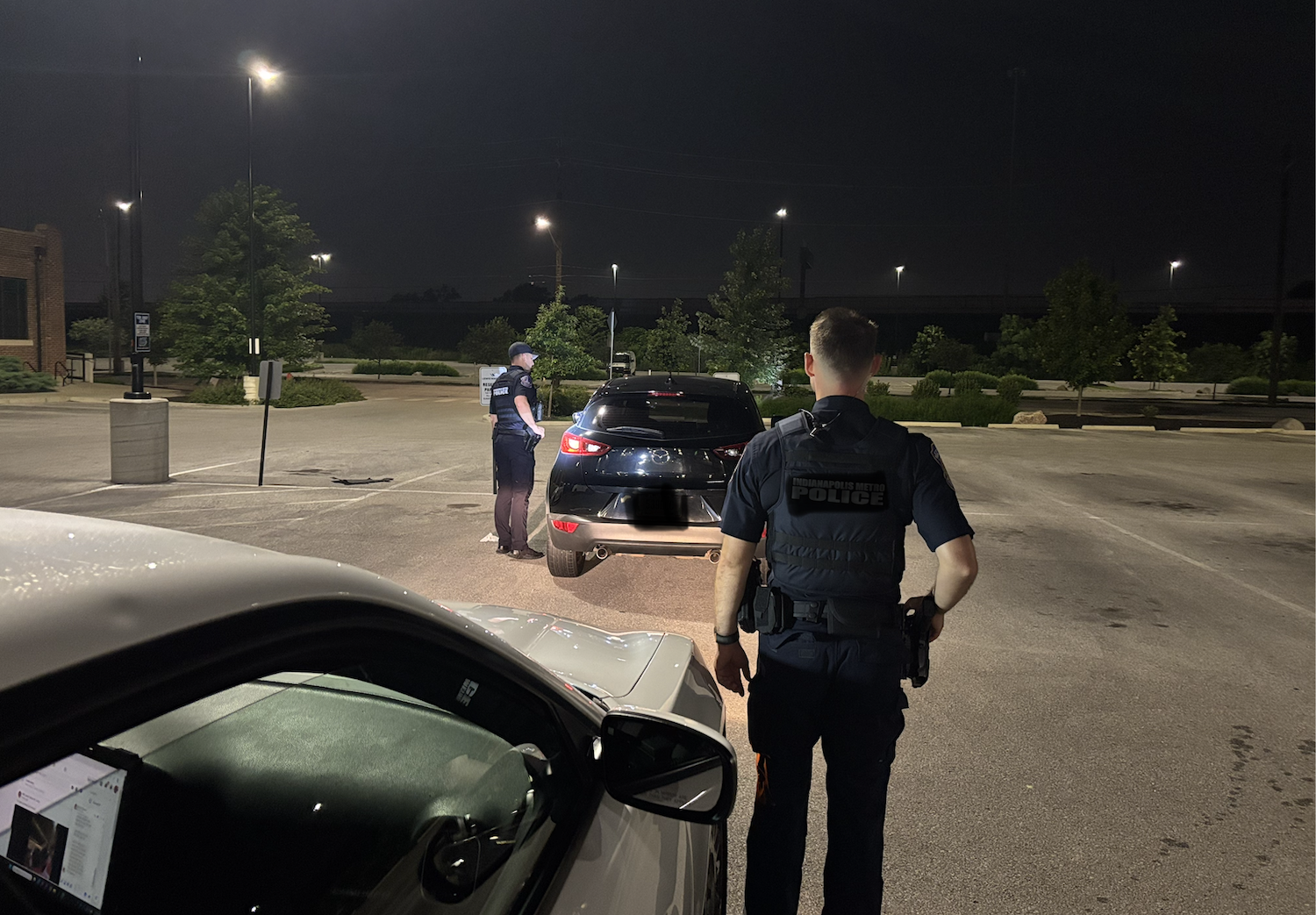
With a driver’s side approach like this, how much of your attention can you devote to the driver, occupants? (PC – N Deem)
Whren
In 1997, I left a community-oriented policing problem and was involved in standing up a multi-agency gang violence suppression team. We made use of several tools provided by the legislature and the courts. Probation and parole contacts and searches. One major FBI-led RICO case against a major prison gang began with a parole search my partner and I did. We also made numerous self-initiated, proactive pedestrian and vehicle stops. Some consensual, many with reasonable suspicion.
The Supreme Court validated a great tool with its ruling in Whren v US (Citation).
Read the case yourself. Essentially, plainclothes officers in an unmarked vehicle saw a vehicle make an un-signaled illegal turn, followed by speeding. They stopped the suspect vehicle and ultimately found narcotics. SCOTUS ruled that as long as there had been an articulable violation, any subjective motivation for the stop was immaterial. While innumerable defense attorneys and activists use the phrase “pre-text stop” as a pejorative, it’s a good stop under Whren.
Drivers
When dealing with the driver, have a solid understanding of the ruling in Pennsylvania v Mimms and what you can tell the driver to do. (Citation)
Passengers
When it comes to any other occupants in the car, ensure you know Maryland v Wilson and how that applies. (Citation)
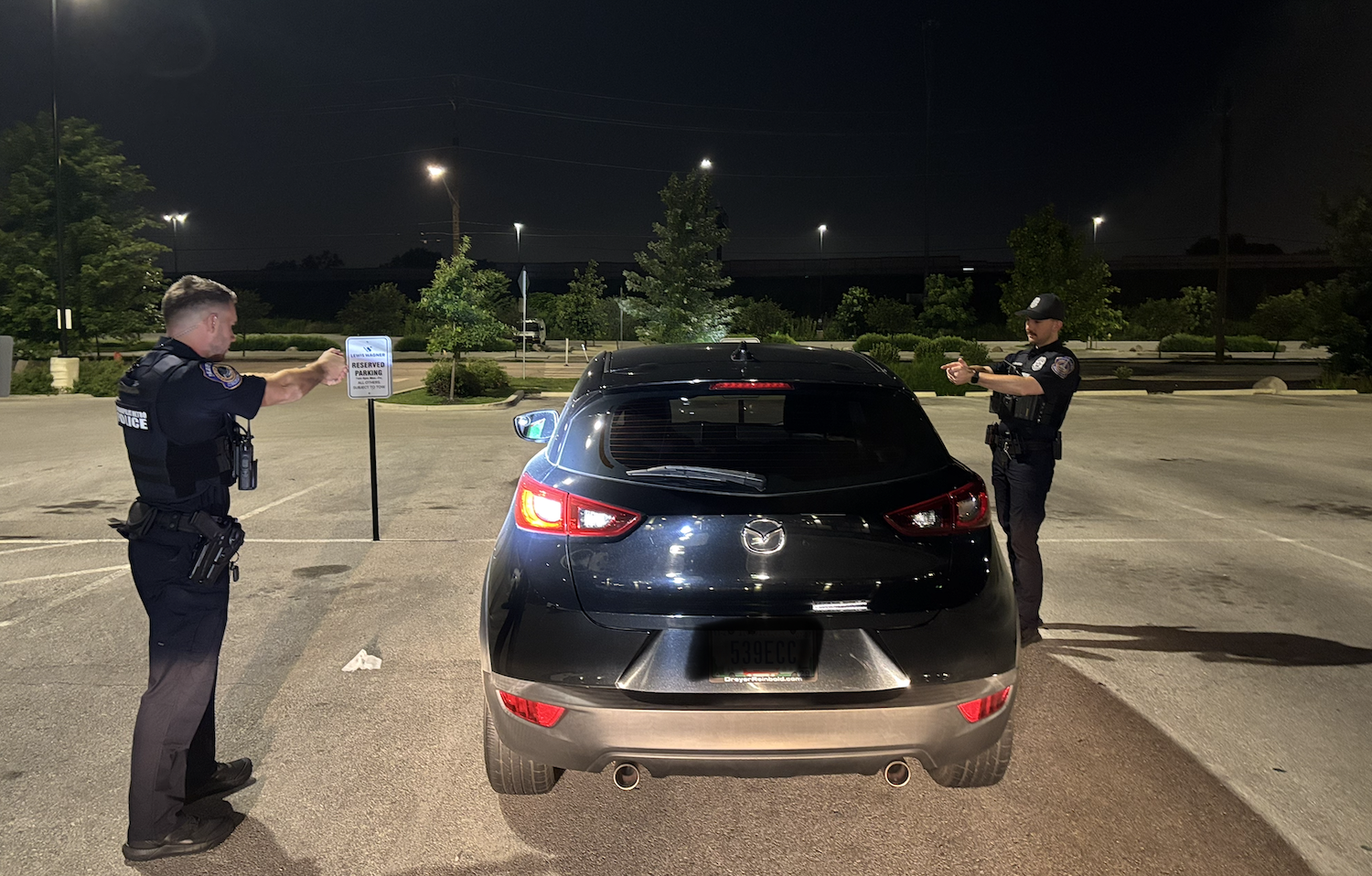
There is still a cross-fire here, and the contact officer is in the road with his back to traffic.
Tactics, Techniques, & Procedures
I was fortunate in that spent more time in two-deputy cars than many of my peers locally. That was from two stints in the gang unit. And two stints as a field training officer. And yes, those are different experiences.
When solo, I handled those stops differently than when I was working with a consistent, experienced partner.
After identifying the violation, deciding where I wanted to make the stop, and radioing it in (in that order), I strongly preferred a passenger-side approach (see HERE).
There were times, both alone and with a partner, when terrain dictated a driver’s-side approach. But that was not my preference.
Two Officers?
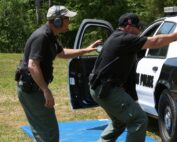
First and foremost, understand the Contact/Cover principle. One’s job is to overwatch the subject(s)/suspect(s) and respond with force if needed. The other handles all the other interactions.
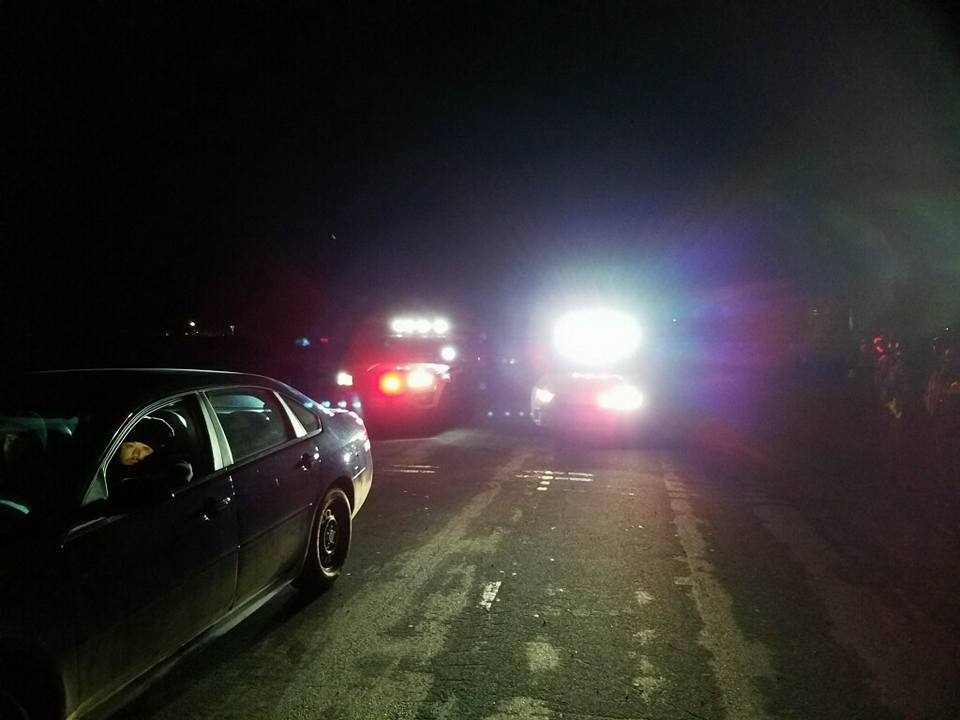
Make use of a cover officer any time you can get one.
Along with that, be very conscious of crossfire situations. I don’t want to mask my partner’s shot if they must make one. Nor do I want to inadvertently place the between us.
Calling Out
When I need the driver or passenger(s) to exit the vehicle, they do so only after I communicate with my partner. Then, only one at a time is called out of the vehicle and back to us. We need to stay in the Contact/Cover role. That also applies to any backup officers who have responded.
Searches
Whether the driver, passengers, or the vehicle itself is being searched, there are still divisions of work and attention. The cover officer stays back and watches, ready to engage if needed. The primary officer does all those searches – in accordance with the law and policy.
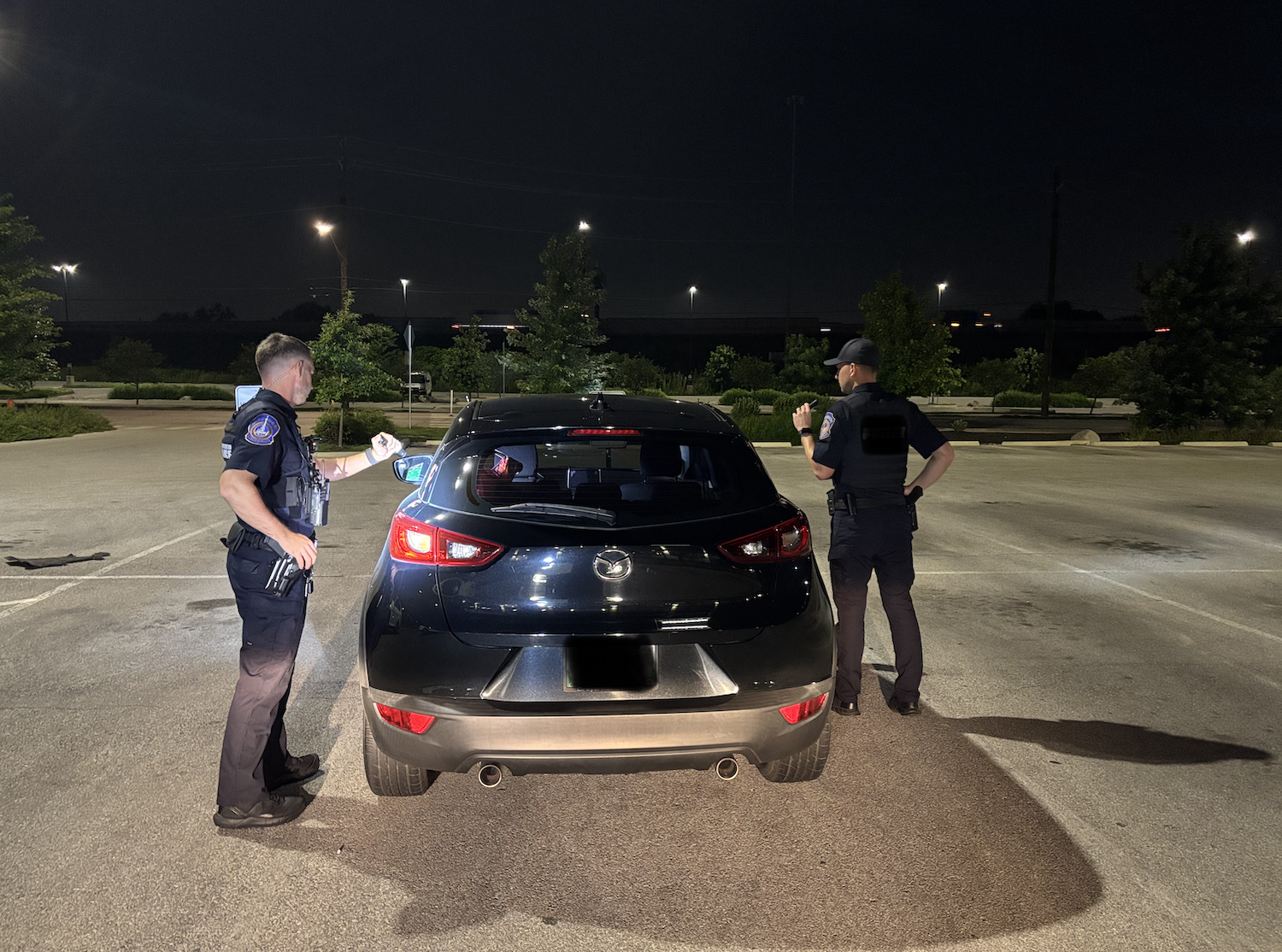
Another way to do it. What’s your preferred method when alone? With a partner?
Transition
If the stop is elevated to a high-risk stop based on behaviors, record checks, etc., continue to handle it appropriately (HERE). There is NO need to rush the vehicle. Not after a pursuit, not after learning additional information.
The days of us doing that should have ended long ago. We are now seeing officers prosecuted for decidedly poor tactics.
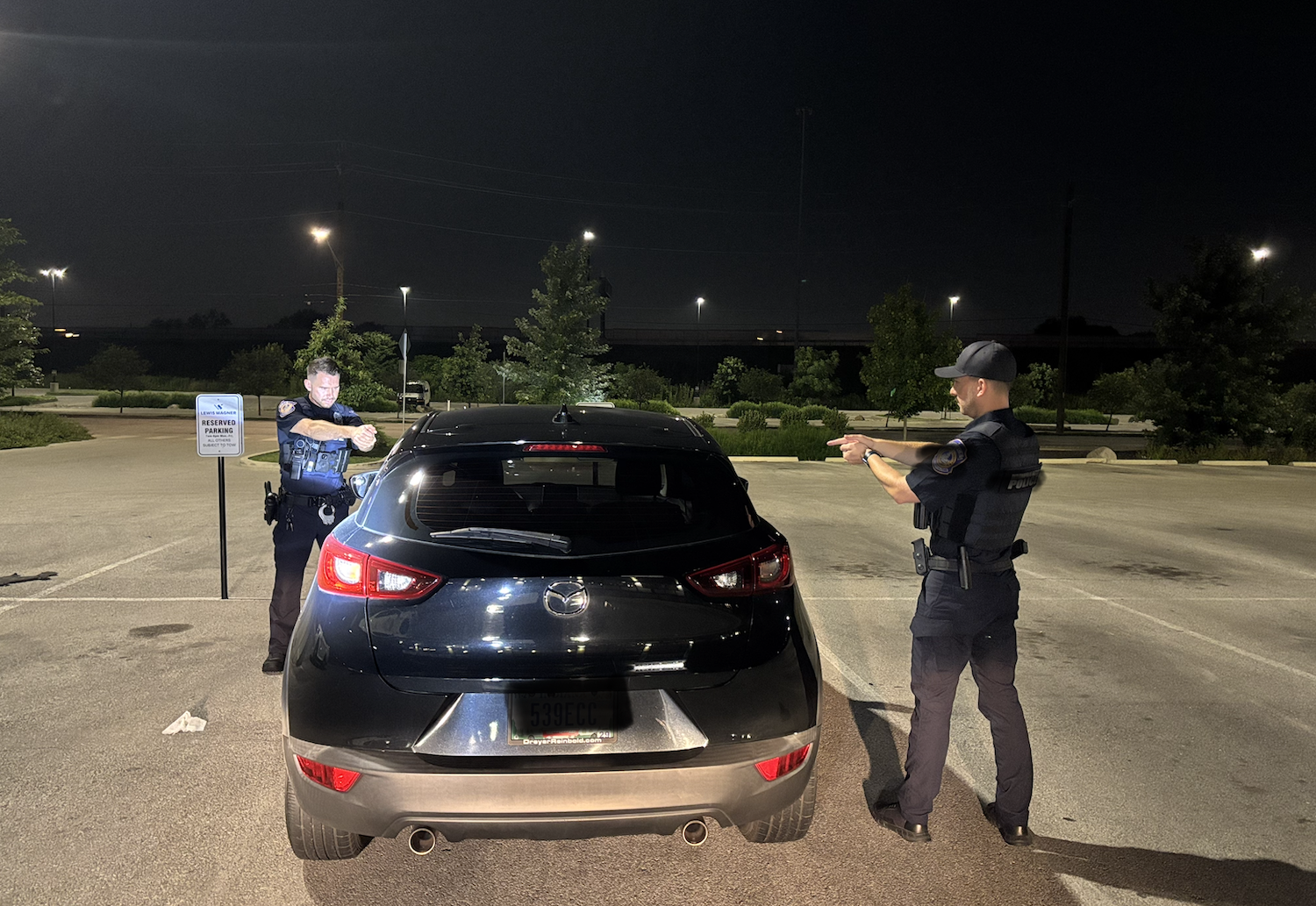
Is there a cross fire issue here?
Sadly, I can think of one event where a trainee of mine, thankfully, did everything right, utilizing time, distance, and cover, while another officer present did not. That led to termination and, eventually, prosecution of the other officer.
Closing
Know and be able to explain why you made the stop. Know and be able to apply caselaw on the fly. Understand how the “room” has changed over time.
And then, keep doing proactive street cop and road deputy stuff. The good people out there deserve it!