
 (+6 rating, 6 votes)
 Loading...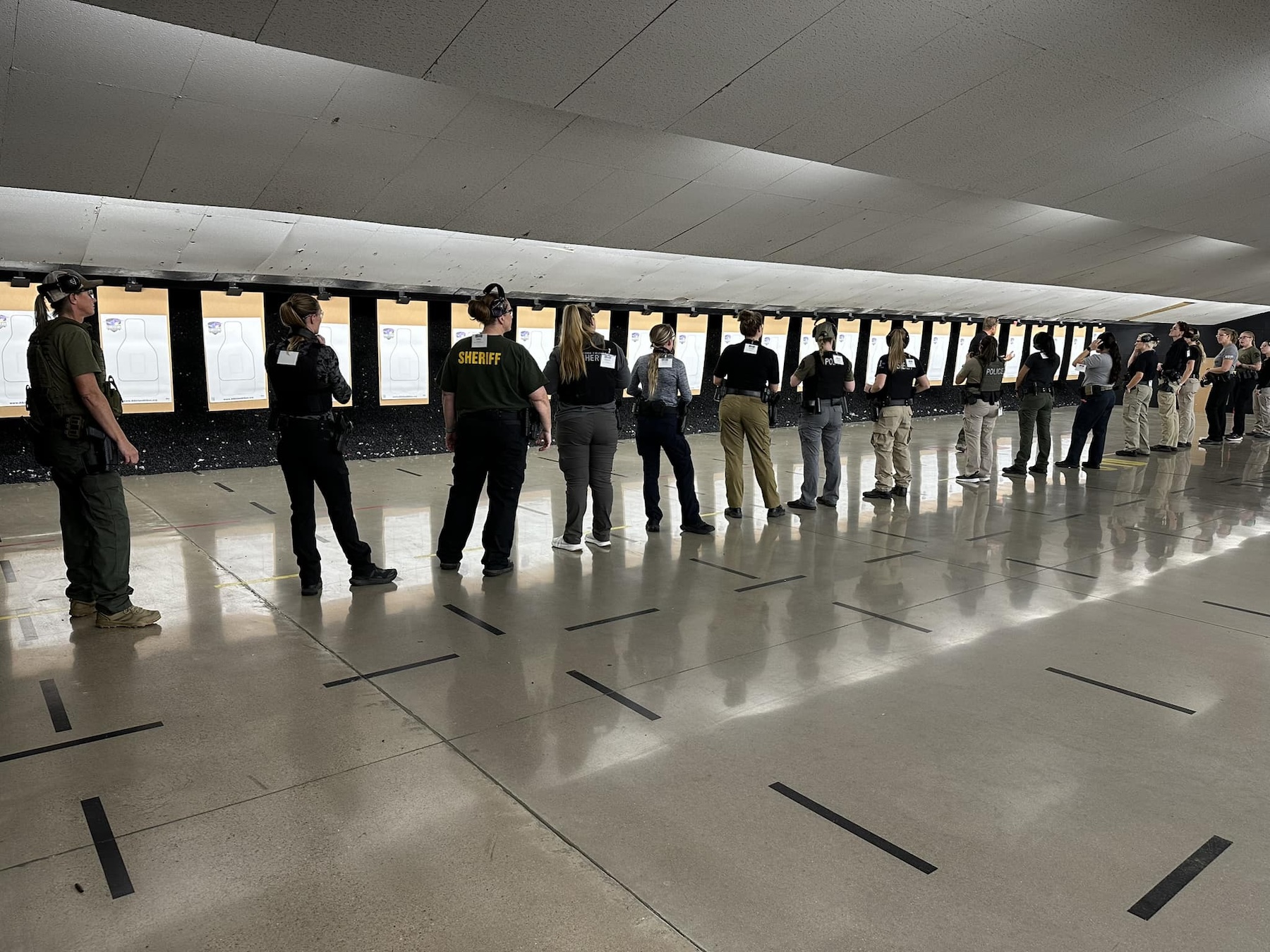
feature-ag&ag466669896_10161815333331508_3107956135537289995_n
An indoor range berlonging to a large Texas municipal agency. Does this look like your facility? (Courtesy A Girl & A Gun)
Even though I’m retired, because of the teaching, I pay attention to use-of-force cases. Specifically, media coverage, political spins, and case law decisions.
The good news? Often, when officers et al. did the right things based on what they reasonably believed, the courts supported them.
The bad news? Everything else.
One of the problems comes from a combination of activists and alleged experts. I’ll explain that later. That group is pushing a concept they call “nationally accepted police practices.”

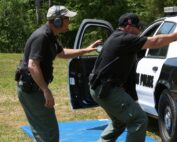
We all agree on every tactic, technique, & procedure, right? Which side of the car do you approach on?
National Standard?
Is there a current national standard? One that exists among the 18000-plus law enforcement agencies in the country.
I would offer that there is. It comes in the form of case law through rulings from the Supreme Court of the United States, aka SCOTUS.
SCOTUS has handed down rulings that took us away from “shocks the conscious of the court” as the legal standard. Because how does an agency train its people to an amorphous, inconsistent criteria that changes from one bench to the next?

The other side chants “Time, Distance, Shielding!” Just use cover. Ok, how many agencies really have armored doors in every patrol vehicle? (Courtesy Angel Armor)
Relevant Cases
Fleeing Felons
Then SCOTUS addressed the use of deadly force on fleeing felons. In Tennessee v. Garner (471 U.S. 1, 1985), the fact pattern involved a burglar/property thief who was running away. At the time of the encounter, Tennessee still allowed deadly force to stop flight. The appellate court ruled this was an unconstitutional use of deadly force.
SCOTUS handed down a 6-3 ruling supporting the circuit court’s position. Justice Sandra Day O’Connor dissented, saying the decision went “too far in invalidating … long-standing police practices.” The Chief Justice and one other joined her dissent.
“Tennessee v. Garner.” Oyez, www.oyez.org/cases/1984/83-1035. Accessed 20 Jun. 2026.
Objectively Reasonable
The next case to establish a national standard was Graham v Connor (490 US 386, 1989).
A Charlotte PD officer saw Graham run into and out of a convenience store. They viewed the way it was done as being consistent with a robbery. A vehicle stop was made on Graham’s car; he became combative, and force was used. Graham was injured as a result and sued for an 18 USC 1983 civil rights violation.
A unanimous Court decided that “claims of excessive force used by government officials are properly analyzed under the Fourth Amendment’s ‘objective reasonableness’ standard.”
Justice Rehnquist explained that the “objective reasonableness” of a use of force should be judged by the officer’s perspective while considering factors such as the crime’s severity, the threat posed, and any attempts by the suspect to resist or flee.
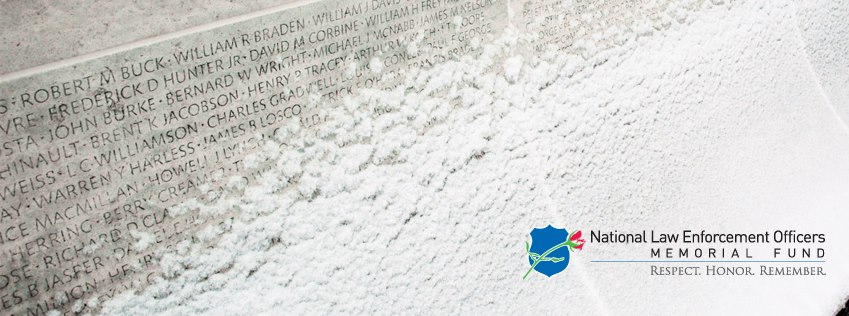
Policies, practices, and training geared towards minimizing the addition of names to these walls would be a worthy goal. (Courtesy NLEOMF)
More?
There have been several other cases since that reaffirmed the Court’s position, such as:
Scott v Harris (550 US 372 (2007) on fatal pursuits;
Mullenix v Luna, per curiam opinion in 577 US _ (2015);
Barnes v Felix, 605 US (2025), addressed the totality of circumstances;
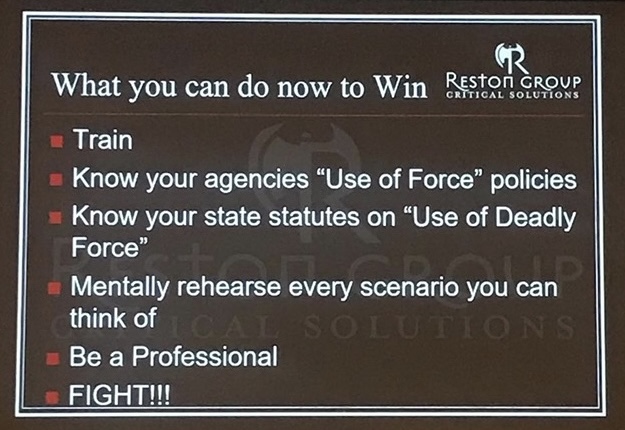
These might just be a better standard to push your officers towards, instead of what comes from someone’s “good idea.”(Courtesy Reston Group Training)
Why This?
Since the violent assault on Officer Darren Wilson, and refueled by the death of George Floyd, there have been numerous efforts to damage, if not outright remove, the left and right limits imposed on officers by the above cases.
When activists cannot convince legislatures to change the rules, they have tried using the courts. This happens in both the arguments of plaintiffs’ counsel and those prosecuting officers. It also happens with the “expert” witnesses that the side uses.
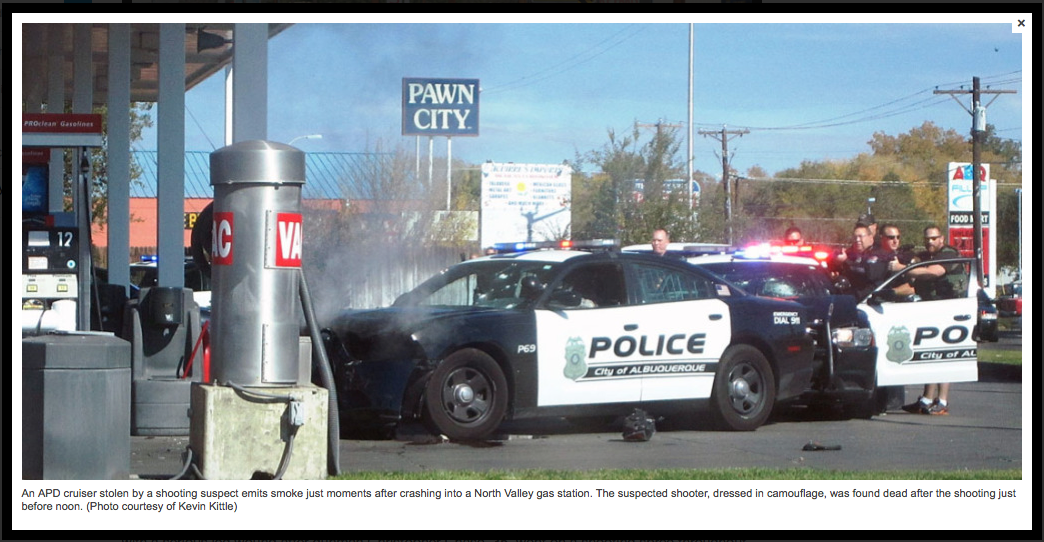
October 2013 – Albuquerque, NM PD dealt with a very violent, very mobile suspect. Every agency has the same amount of resources for this, right?
Expert Witness Examples
A retired command staff member and lawyer from a southern California agency was retained in a lawsuit behind the shooting of a likely gang participant who turned and raised an AK-47 at a uniformed officer. The retired admin-type, as an expert, claimed that there had never been an event involving any variant of an AK-47 in that county. As a result, the officer shouldn’t have been concerned. Except that the officer had seized two AK-47 variants in that neighborhood previously. And the year before, federal agents had been in a gun fight in that county against a gang member using an AK. The expert never changed his opinion with the Court.

Plaintiff’s expert, Seth Stoughton, while testifying during a recent case. With the BLM display, would you accept his version of best practices?
One member of the academic world, who regularly testifies against officers, spent a total of five (yes, five) years as a sworn officer. During a recent video appearance, the judge noted that the expert had a BLM (Black Lives Matter) card over his shoulder, in full view for the jury. An impartial individual attempting to aid the trier of fact in determining what happened? Or an incredibly biased mouthpiece?
Police Practices
As mentioned, there are over 18,000 law enforcement agencies in the country. They are spread across fifty states, plus territories, and a District. How many criminal and vehicle codes? Then you state courts along with thirteen Federal circuits. Long before anyone gets to SCOTUS.
Aside from the standards created and imposed by SCOTUS, there are a tremendous number of influences from organizations with much less than national reach.
Never mind the operational differences between urban, suburban, and rural agencies – no matter how few miles may separate them.
Even in my old organization, what we could do in one zone (or a contract city) was not always possible in any of the outlying beats. Neither the personnel nor the equipment resources are available.
And, regardless of how often certain phrases are parroted, the officers in those places may not be able to put them into play.
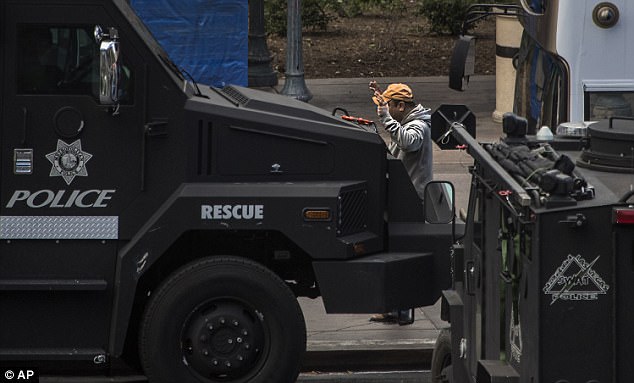
During high-risk events, do you have the suspect(s) face towards you or away when calling them out? Not everyone views it the same way.
One Example
Consider high-risk vehicle stops. While we have moved away from “one riot, one ranger” – rural deputies may only have two cops for one of those events. A suburban PD? 3 or 4 cars. A large metropolitan department can use all the assets.
How does a “nationally accepted police practice” fit in there?
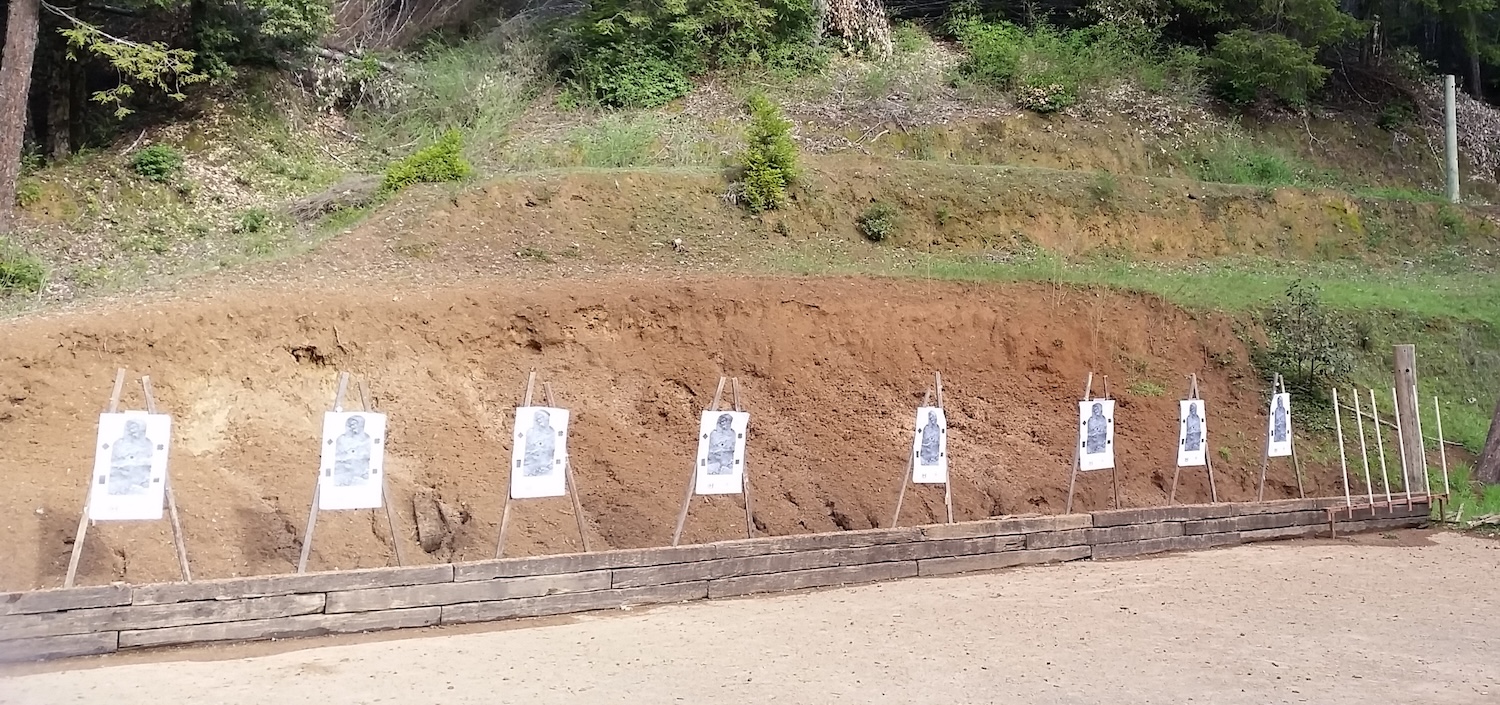
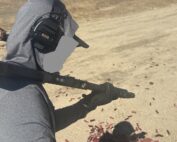
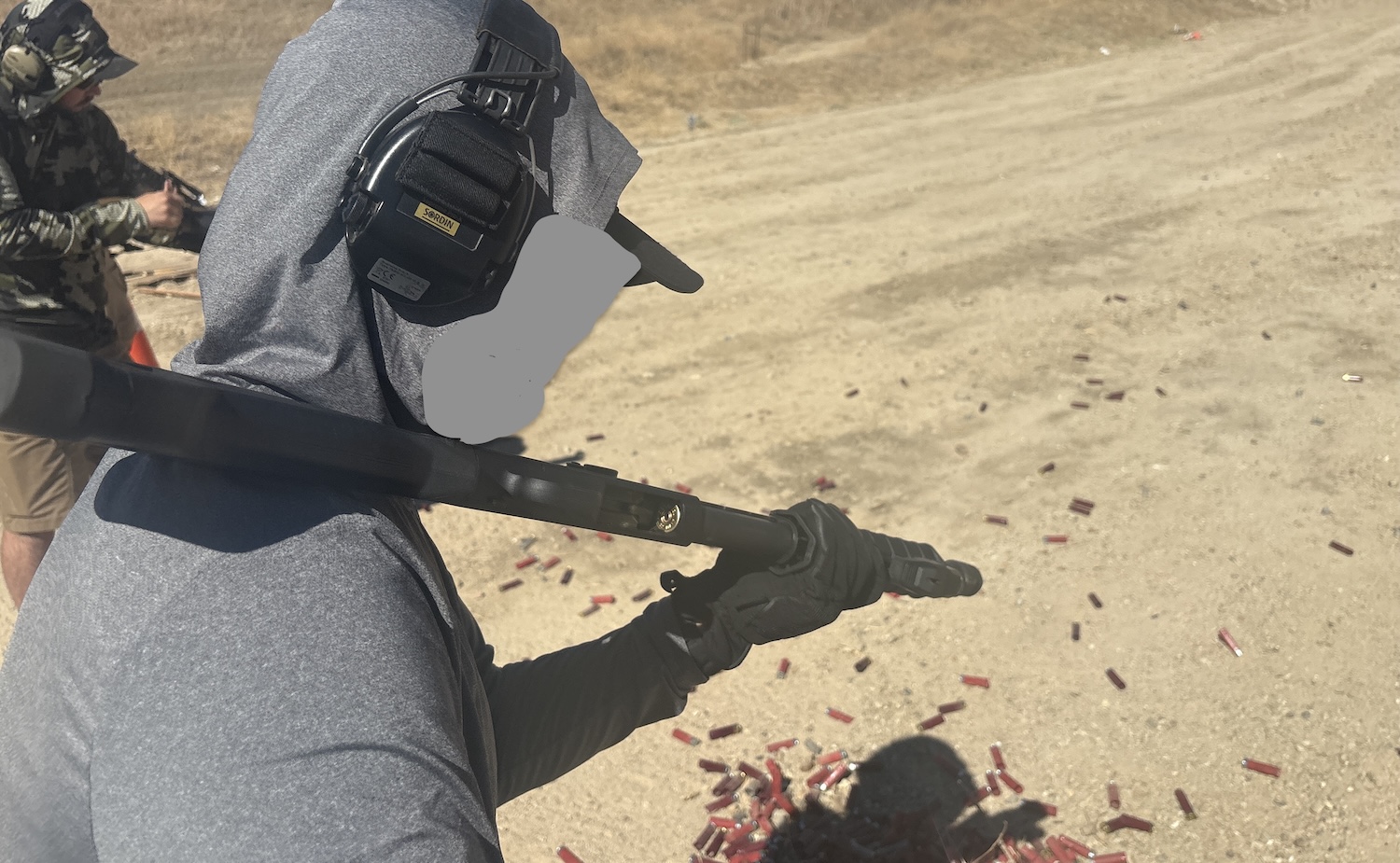
A range used by a rural but quite active California sheriff’s office. Which of the two ranges shown looks the most like yours?
Closing
Before your agency accepts these “nationally accepted police practices,” look to see who is pushing them. And why.
How do your policies compare to existing case law? What about other agencies in your state? Is your training current? How does it compare to other agencies?
Your trainers and administrators really need to understand and explain your Whys. Their inability to articulate that can be scary.