
 (+4 rating, 4 votes)
 Loading...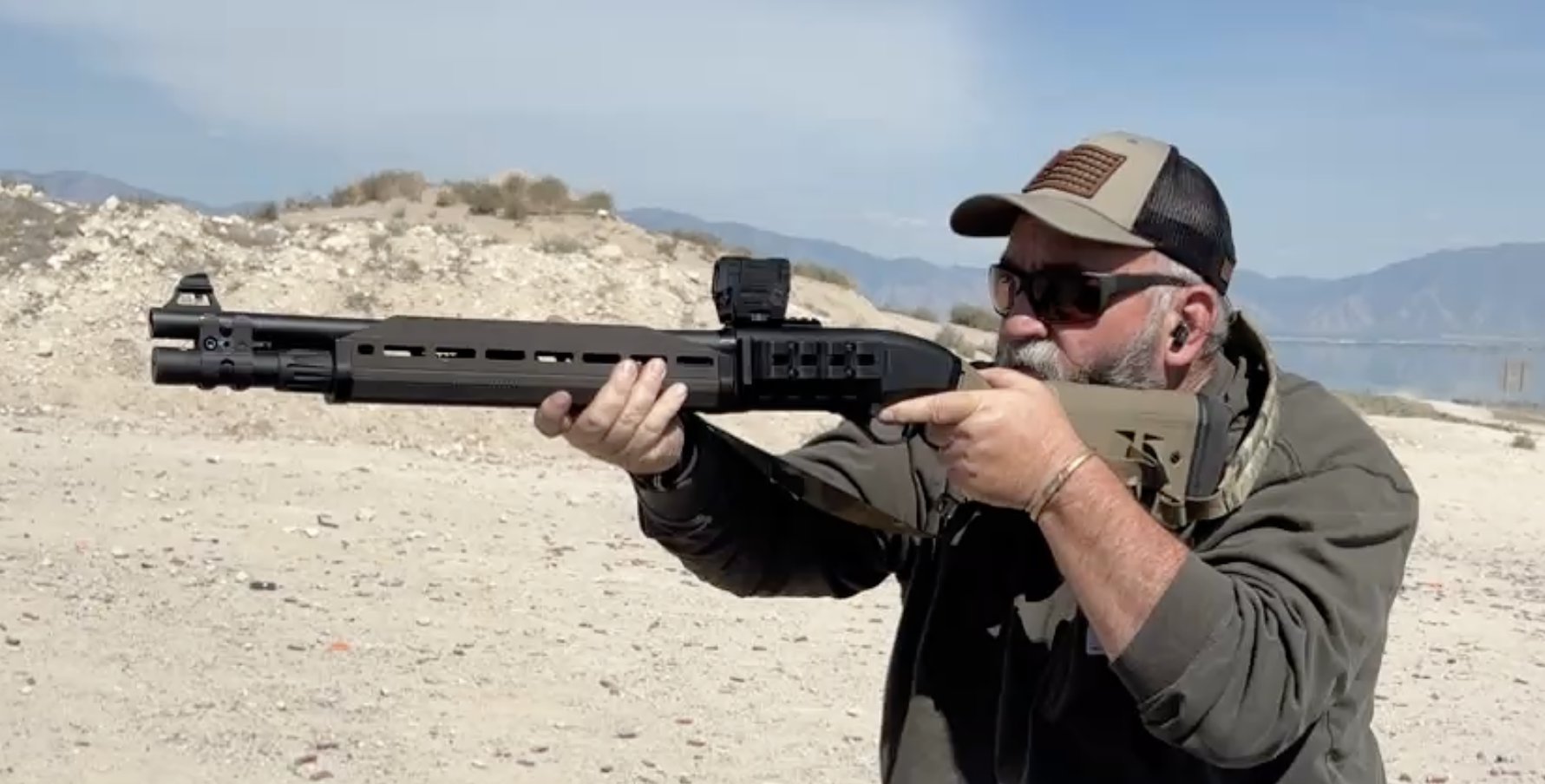
feature2025-08-11 at 7.27.10 PM
Coming of age for me with shotguns meant gaining a solid understanding of a pump-action shotgun. Doing that as a road deputy in the early ’90s meant that it was going to be a stock shotgun, too. Even when we adopted a personally owned shotgun program that mirrored the programs we had for pistols and carbines, my old office stuck with that one make and model.
Fast forward a few years, and I am still comfortable with that one gun. Along the way, though, I began to explore other pump-action guns. I even dipped a toe or two into the world of semi-auto shotguns.
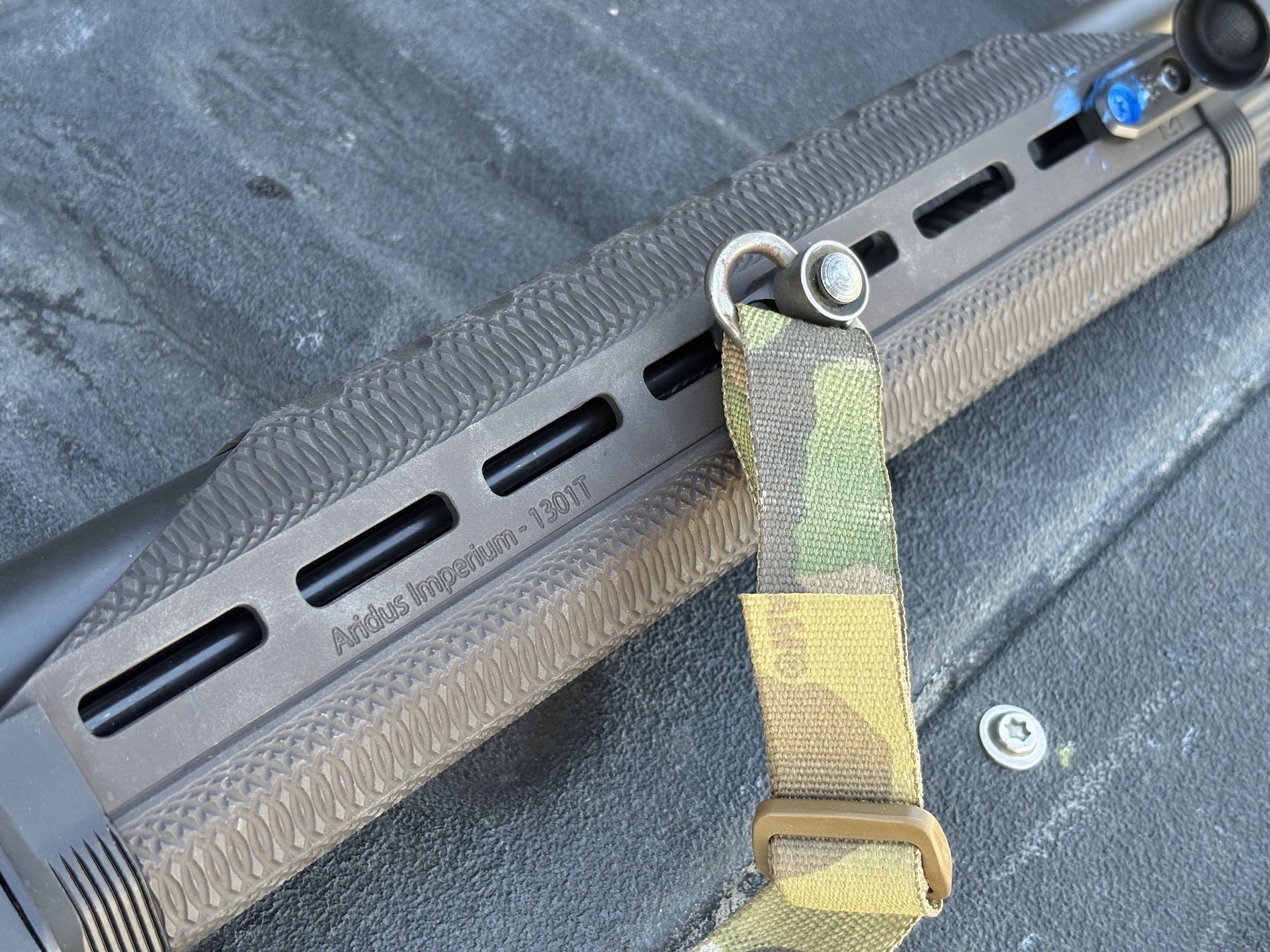
This Imperium handguard is mounted on one of my 1301s. A sling swivel is installed on it. The paint pen flowed a bit freely.
Eventually, numerous friends and acquaintances all began talking about one particular gun from Beretta. That gun was the 1301, and it changed my opinion on semi-auto shotguns for both defensive and duty use. I bought one back before I returned to writing and, later, a second one. In both cases, I bought right as the next version was hitting the market, so I got good deals.
Unfortunately, there was a noticeable lack of after-market support for those guns in the space where many of us, including myself, use them.
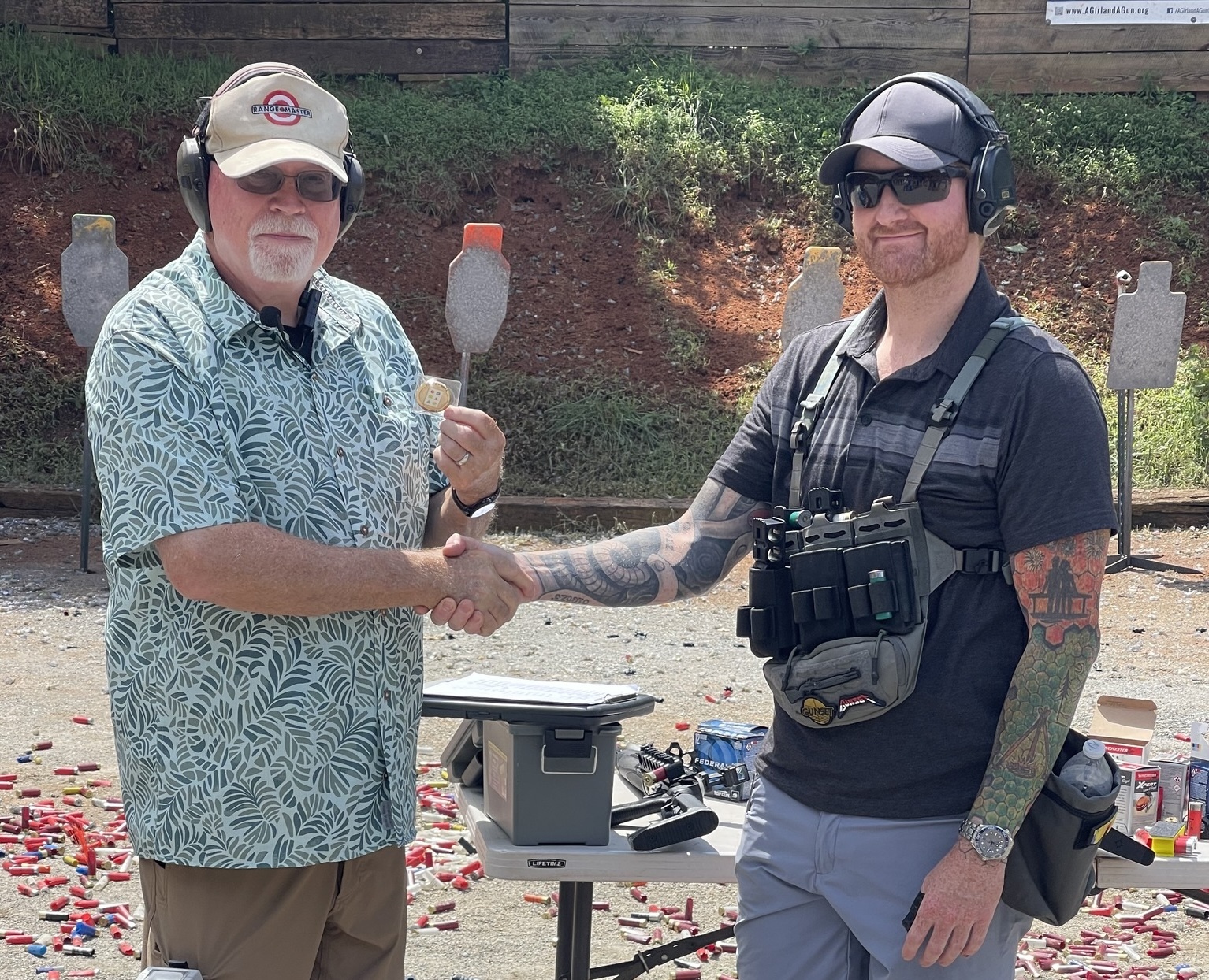
One of the things to consider about Aridus products is that Roth trains with shotguns.
Enter Some Dude Named Adam
For the last several years, Adam – and his business Aridus Industries – have been addressing those needs. He has identified gaps in the 1301 design before developing and producing products to fill them.
The first product I became aware of was an adapter and modification to Magpul’s Zhukov forearm, allowing users to mount it to the shotgun. As the design evolved, it allowed for mounting of lights, slings, and even a match saver – single shell holder – via MLok slots. A concern with the Zhukov forearm is its rigidity and inability to retain some weapon-mounted lights during significant use. When asked about that previously, Adam would only say he was working on a fix. I figured that it would be some sort of plate added to the Zhukov’s interior, but I was wrong.
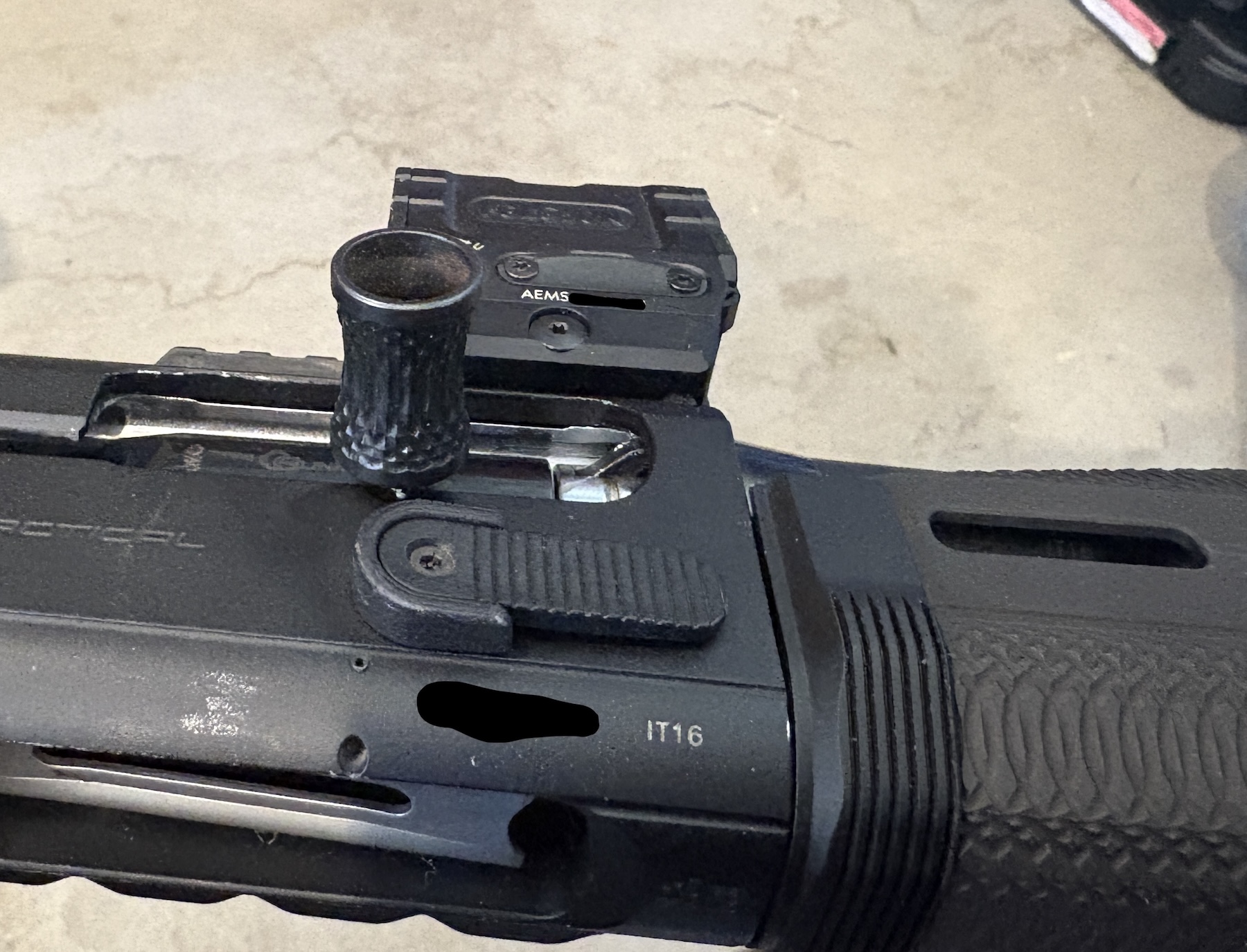
Aridus’ bolt & shell release as well as their bolt handle.
Other Products
Other items include: a shrouded bolt release that prevents first gen guns from having a complete inadvertent unloading of the magazine tube; a re-designed bolt release for the second generation guns; an adapter for mounting Magpul’s SGA shotgun stock to the 1301’s receiver; the CROM – Combat Ready Optics Mount – that combines a red dot mount with a back-up iron sight; and a shell follower that can’t be mistaken for anything else as it looks like neon green dragon skin.
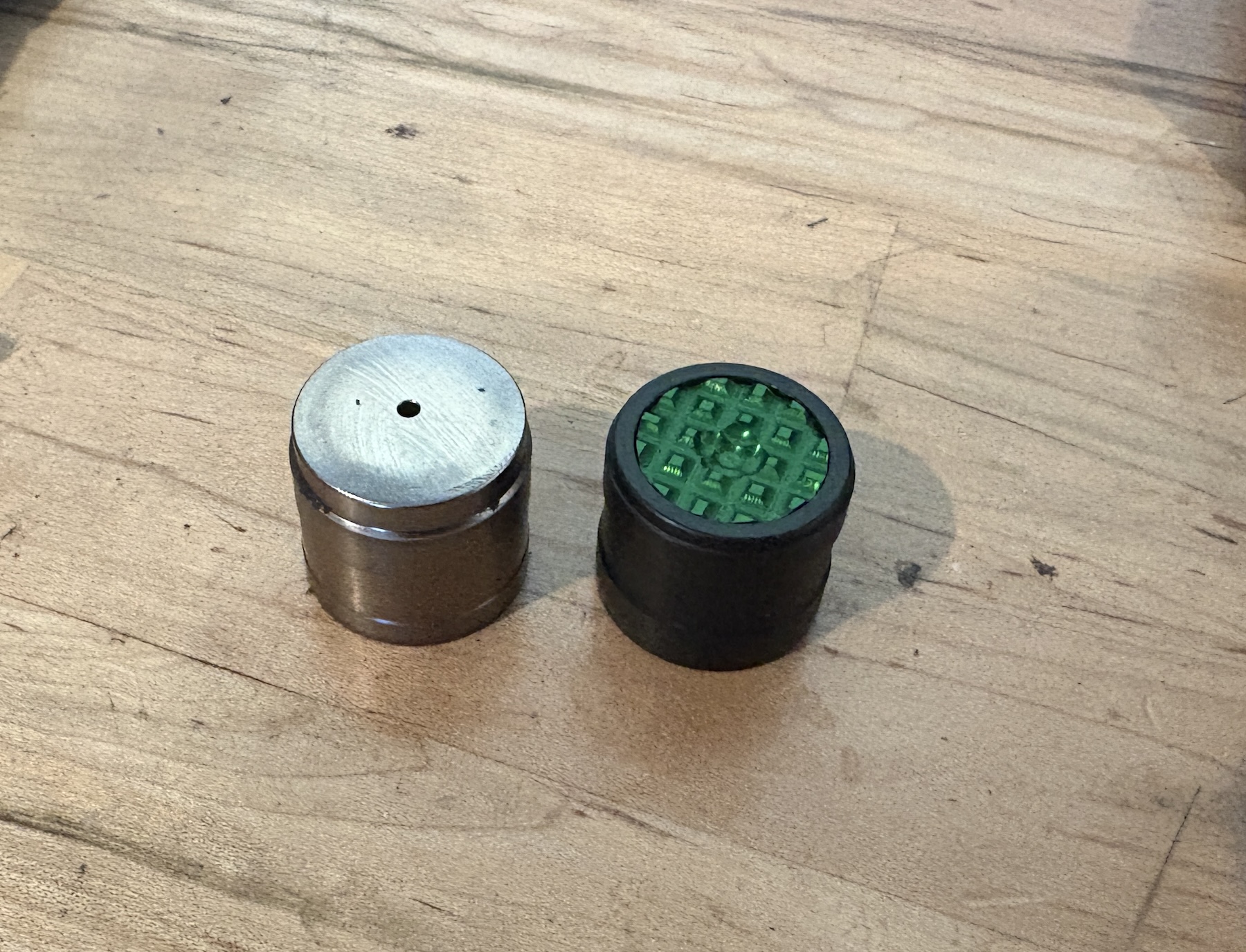
Quite a difference between these followers. I’ll take the neon green dragon skin all day (or night) long.
Adam’s quick-detach carrier is a side saddle on steroids, made from aluminum. Attaching to the left side of the receiver, the mount accepts a removable shell holder that releases via a spring-loaded latch. The carrier attaches via industrial dual-sided tape and requires considerable effort to intentionally remove it. A Lot. It retains the shells extremely well, regardless of the orientation – brass up or down. While the six-shot version is most common, I am working with a four-shot model to see if it addresses an issue caused by end-users with the Beretta design.
Those items have been seen and worked into the ground by a variety of end users. I have used all but one for a while now, and the one I haven’t is on my workbench waiting to be installed.
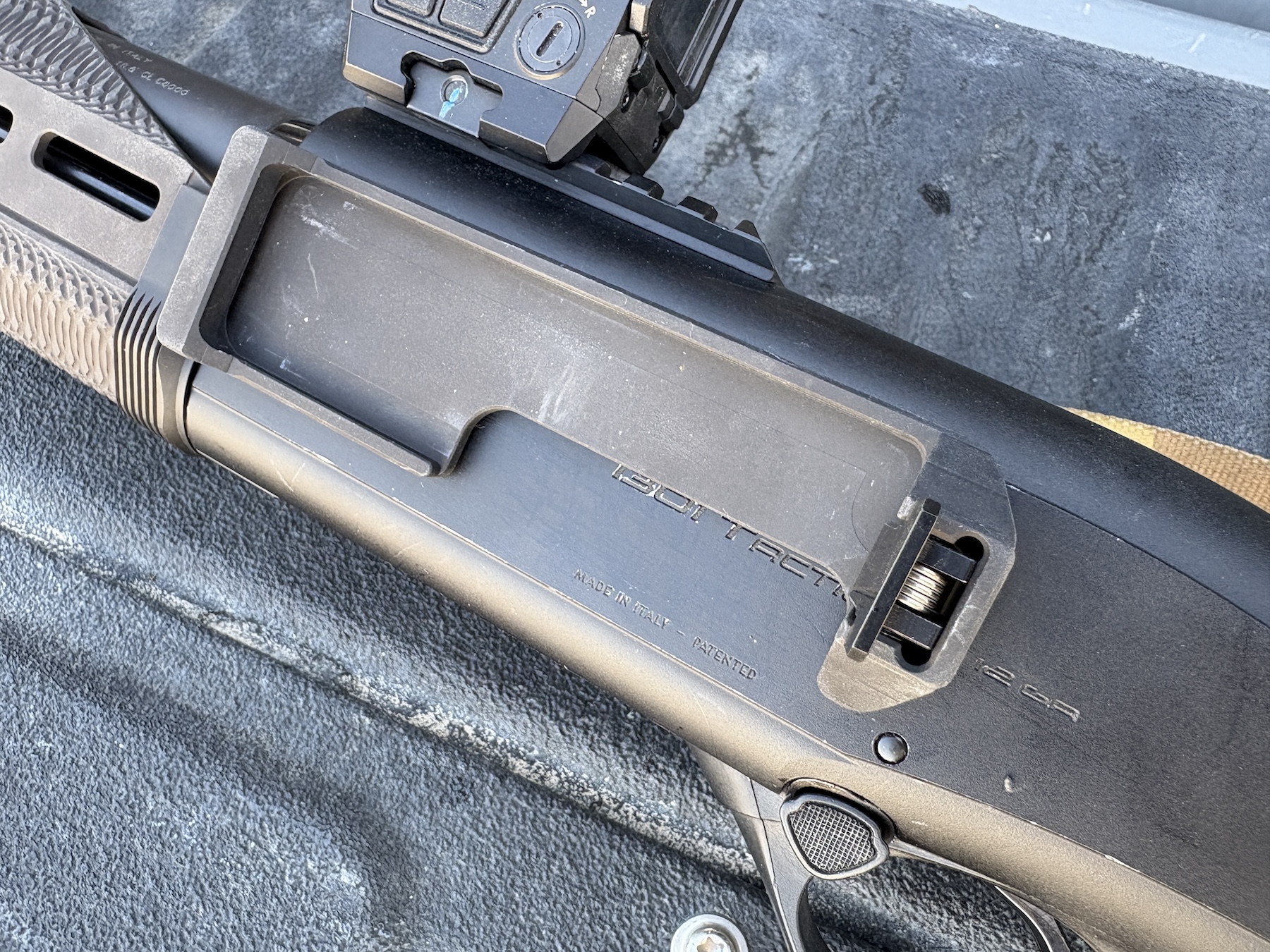
The QDC bracket is mounted on the receiver with industrial-strength double-sided tape.
So, what’s new … The Imperium
I spoke with Adam Roth about the development of the Imperium. He told me that the Zhukov was imperfect, but it was the best available option. He had wanted to improve on it for years, but there were three criteria he needed to address. 1st, it needed to be low profile. Second, the texturing needed to be machined. 3rd, it had to have a built-in heat shield.
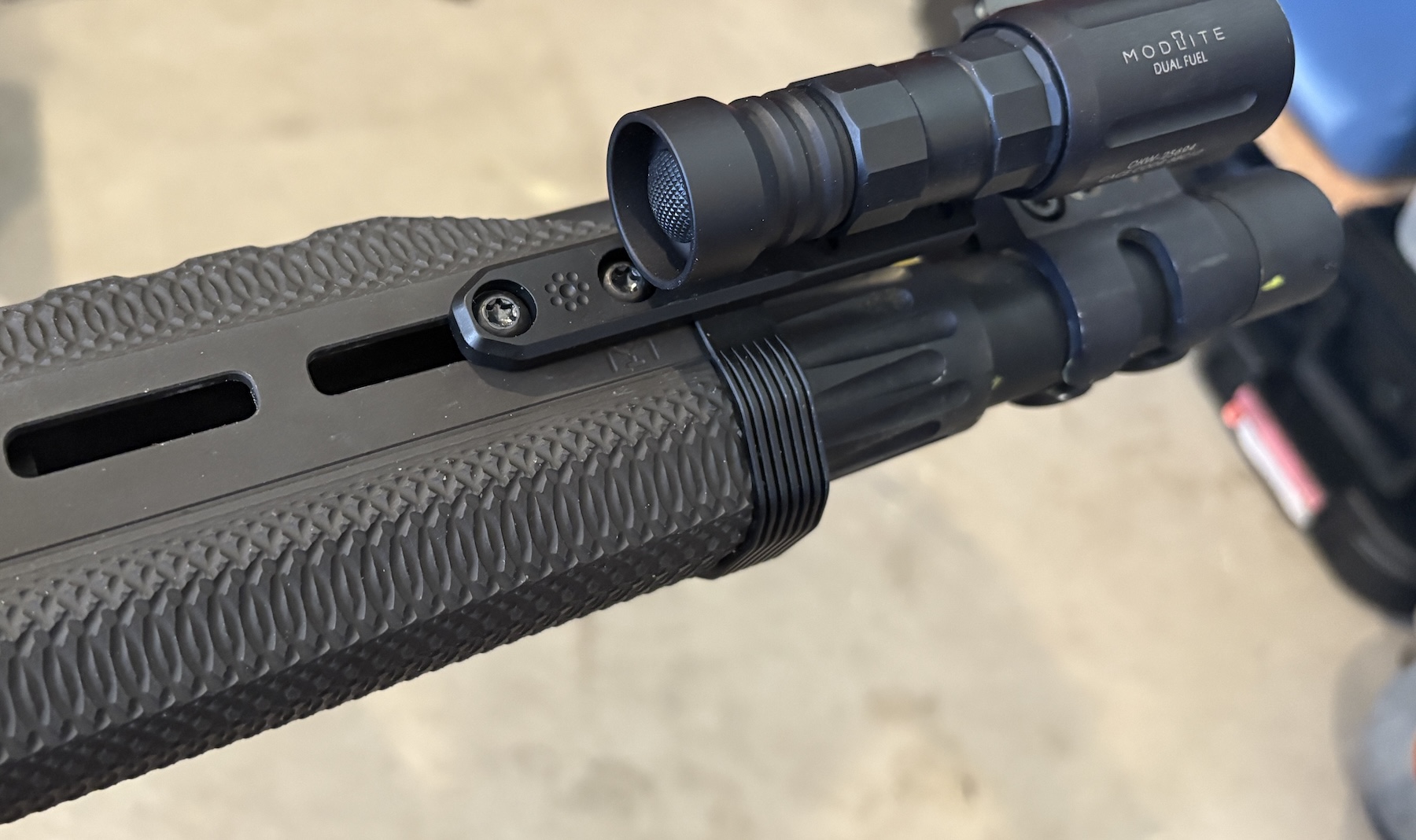
An Arisaka light mount and the forearm’s end cap are visible. Plus, here is a good look at the texturing.
He knew the right way was with an aluminum handguard because of perceptions about shotguns being big, bulky, and heavy. Texturing on a shotgun forearm is important. While MLOK slots themselves don’t add bulk, adding textured slot covers to them noticeably increases the forearm’s diameter. Machining in the texture keeps the size down while giving all of the benefits of weight and size reduction at the same time.
This produced the Imperium, a purpose-built forearm rigid enough to support any reasonably needed accessory. How rigid? Aridus has been posting photos of it with a visible and IR laser designator attached, allowing for consistent hits.
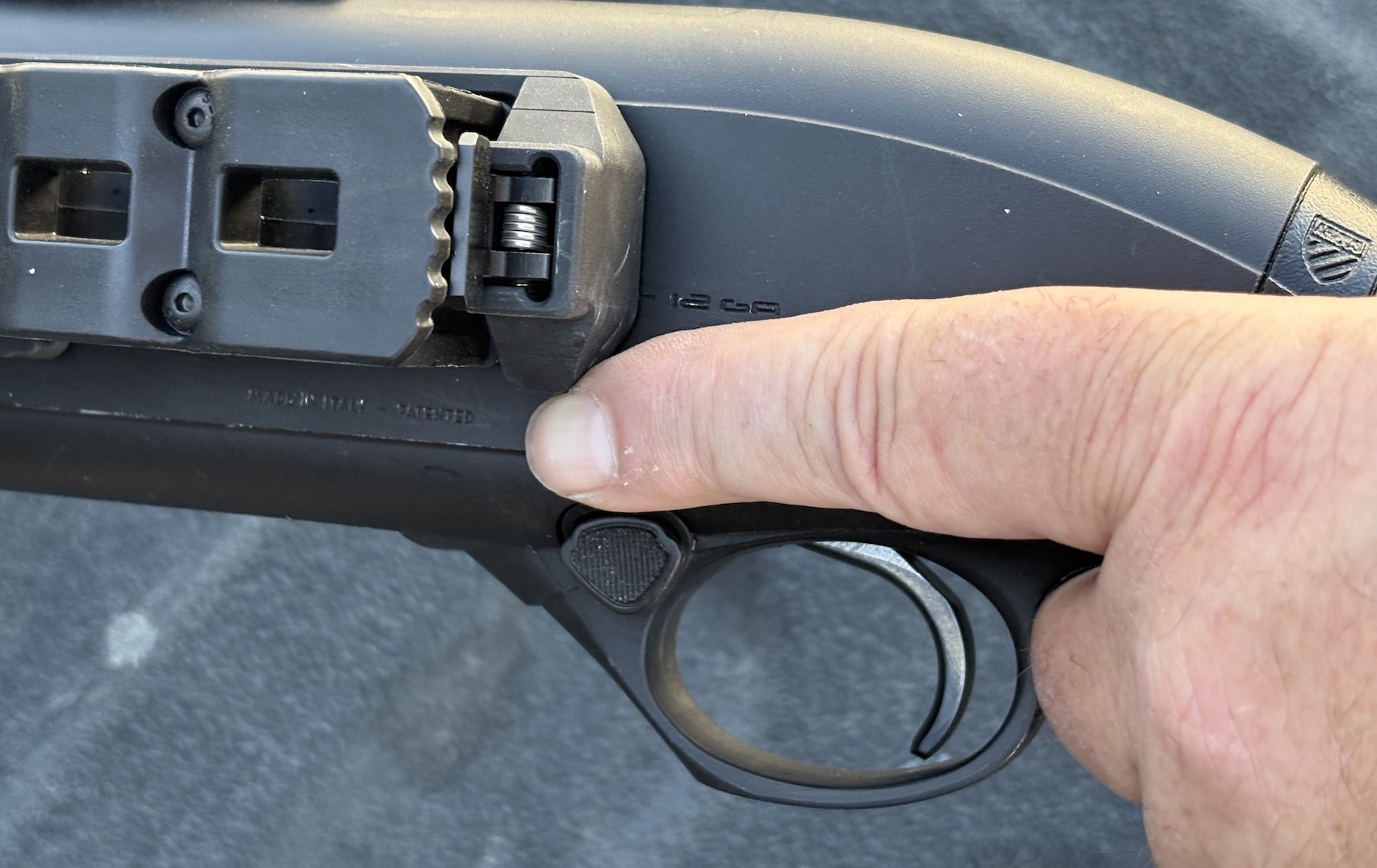
Going to a four-shell QDC gives me enough space to keep my trigger finger up on the receiver.
Execution
It is made from a type 6160 aluminum and is a custom extrusion to get the low profile. A CNC machine cuts the MLOK slots and the texturing; it is not laser-engraved.
There are MLok slots from back to front on each side, even with the space between the barrel and the magazine tube. There are two adapters as well – one fits between the receiver and the rear of the forearm. The other caps the forearm and has a spring-loaded detent to the magazine tube cap or extension in place.
The forearm is octagonal in shape, and all but the three and nine o’clock sides are heavily textured.
The design encloses most of the barrel and mag tube. This means that you can C Clamp when shooting or doing a violin reload without burning your paws.
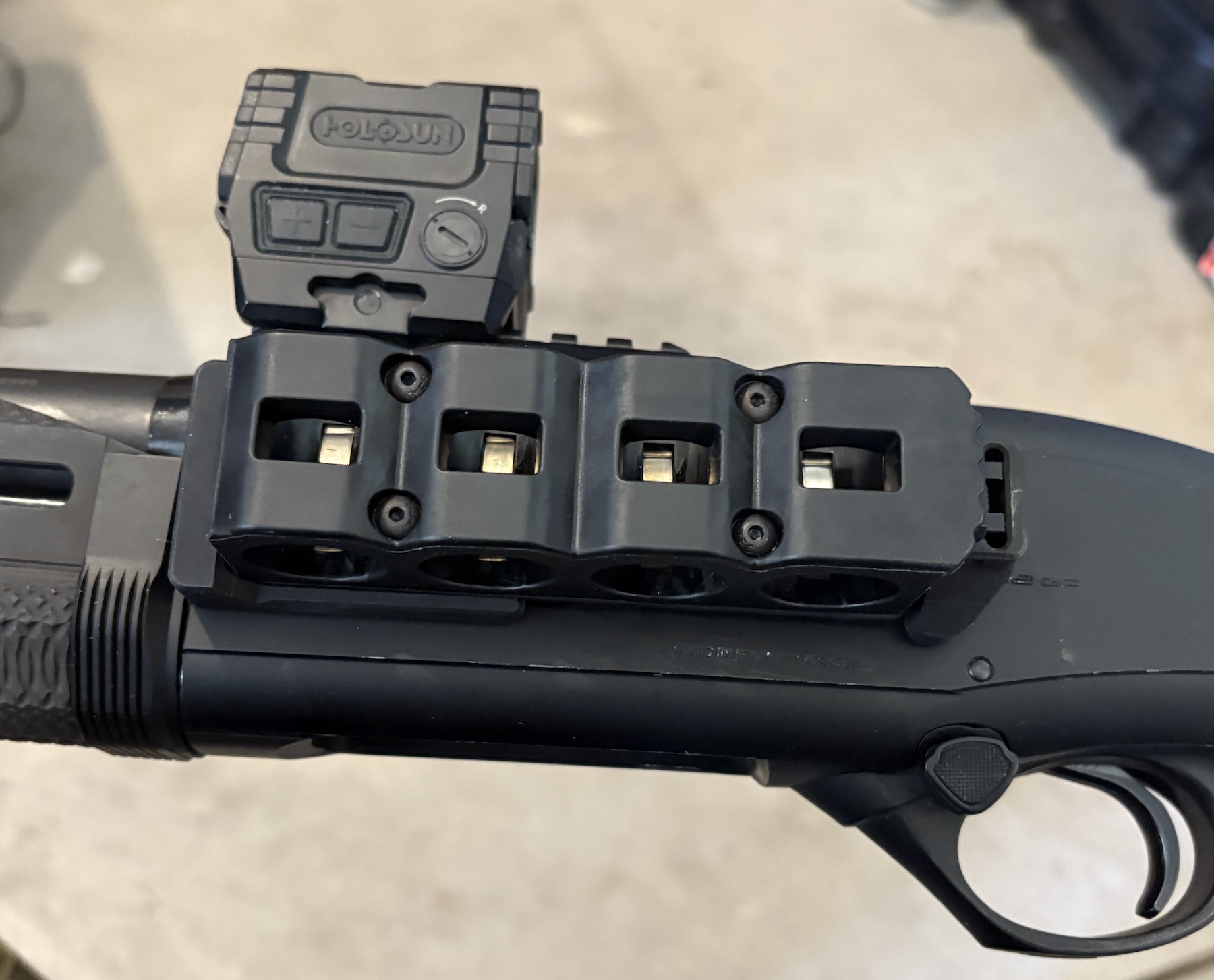
A four-shell version of the Quick Detach Carrier.
Installation
With all the armorer classes I’ve taken, I’m not mechanically inclined. I did ask questions when I installed my first Imperium. Why? Because I installed a match saver before installing the forearm. The MLOK screws would stick on the guide rods. There was no issue with installing the second forearm.
Complaints?
Only one. There is no slot cut on the 6 o’clock side.
Final Thoughts
I like the Imperium. Enough that, I bought a second one for another 1301.
Models are coming for Beretta’s A300 UP, Remington’s 870, and Mossberg’s 590.