
 (+5 rating, 7 votes)
 Loading...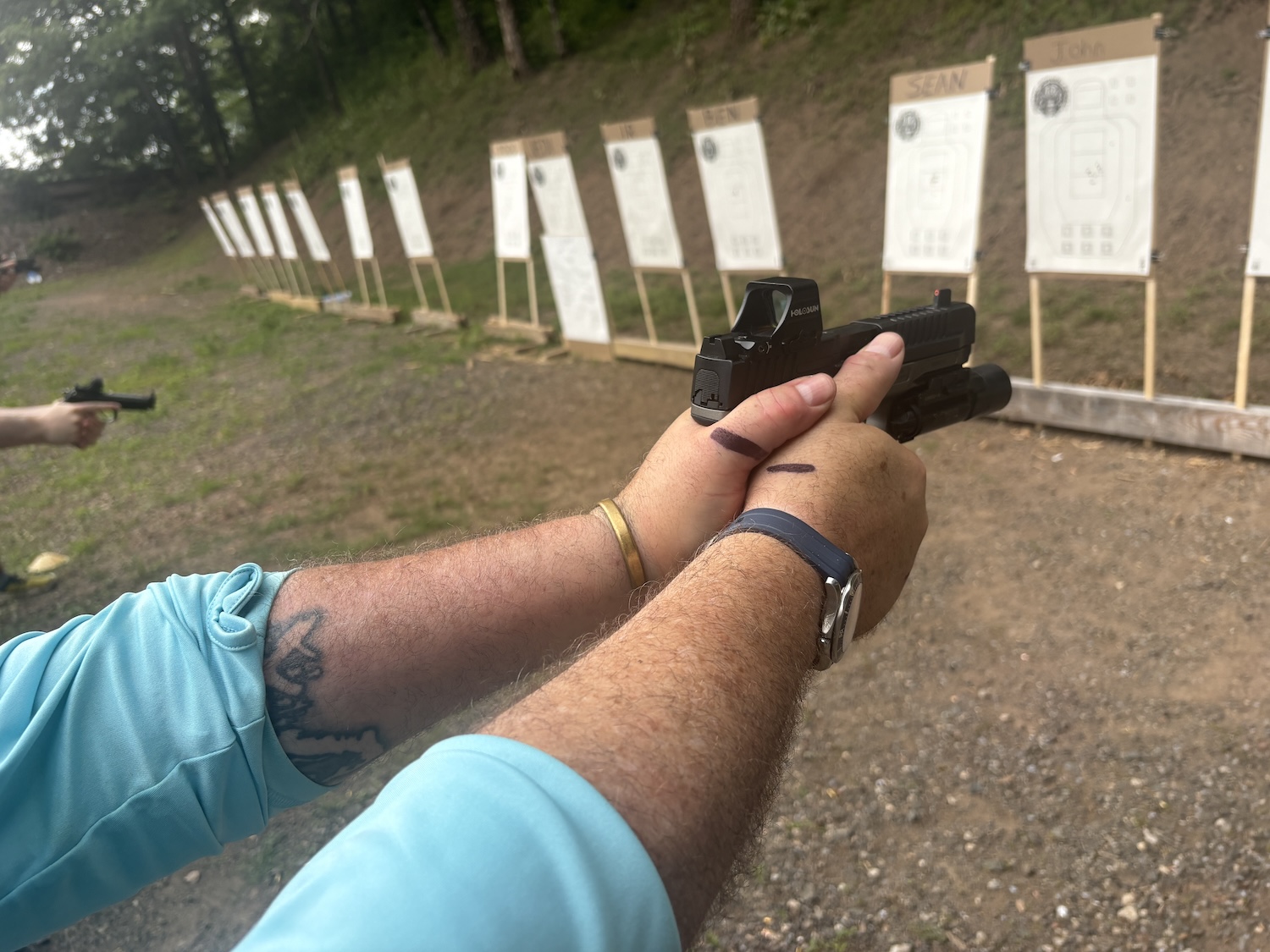
upIMG_7014 copy
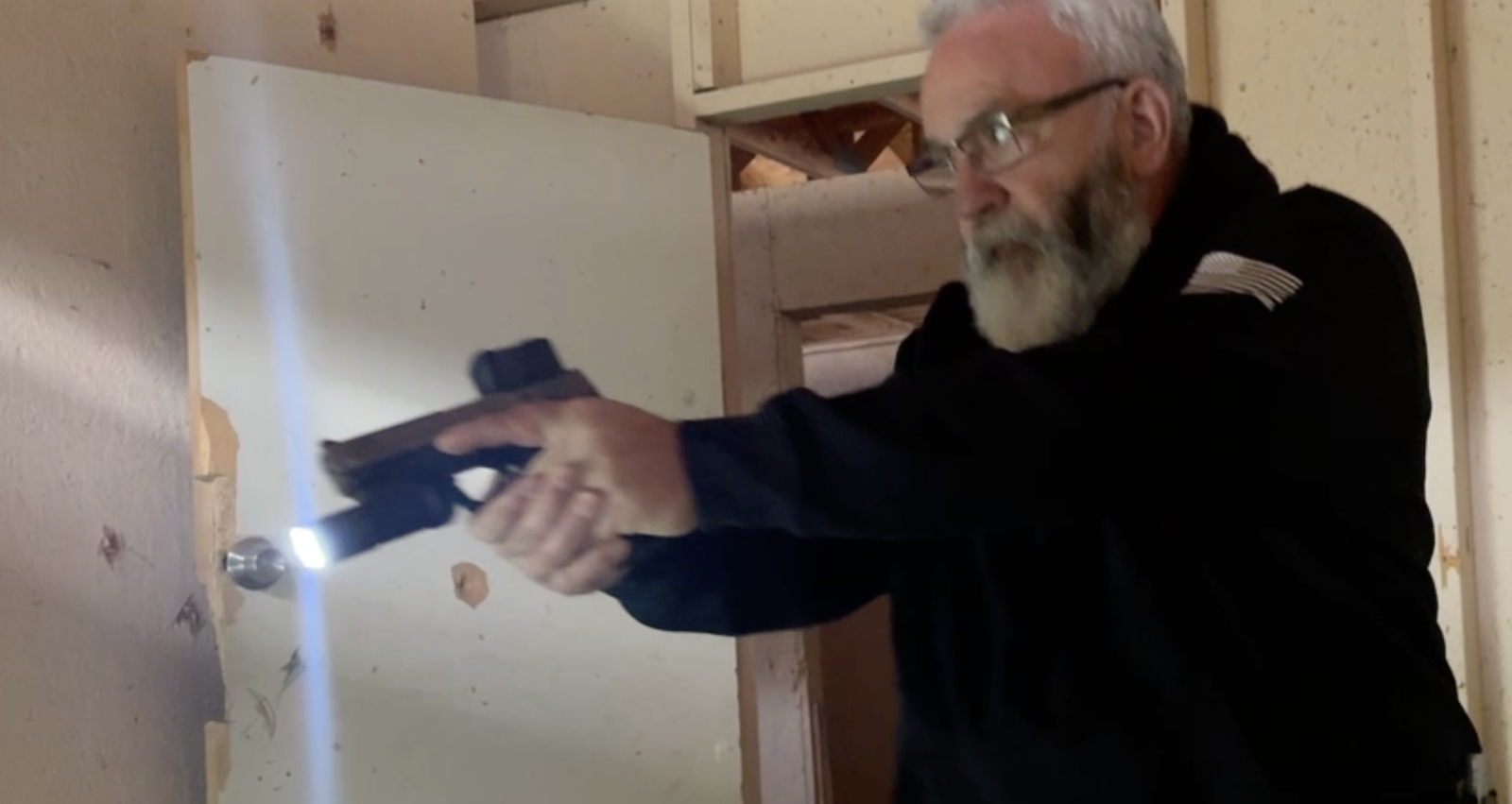
Your author taking a red dot class recently, staying current.
Back in the Nineties, a frequently heard syndicated piece on talk radio always started out the same way:
“Ya’ know what makes me sick?”
“You know what makes me so angry, ah just want to soak mah butt in a bucket of toxic waste?”
These lines came from a character named “Earl Pitts.”
What spun you up now, Erick? In general, it is instructors who haven’t tried to stay current in the field.
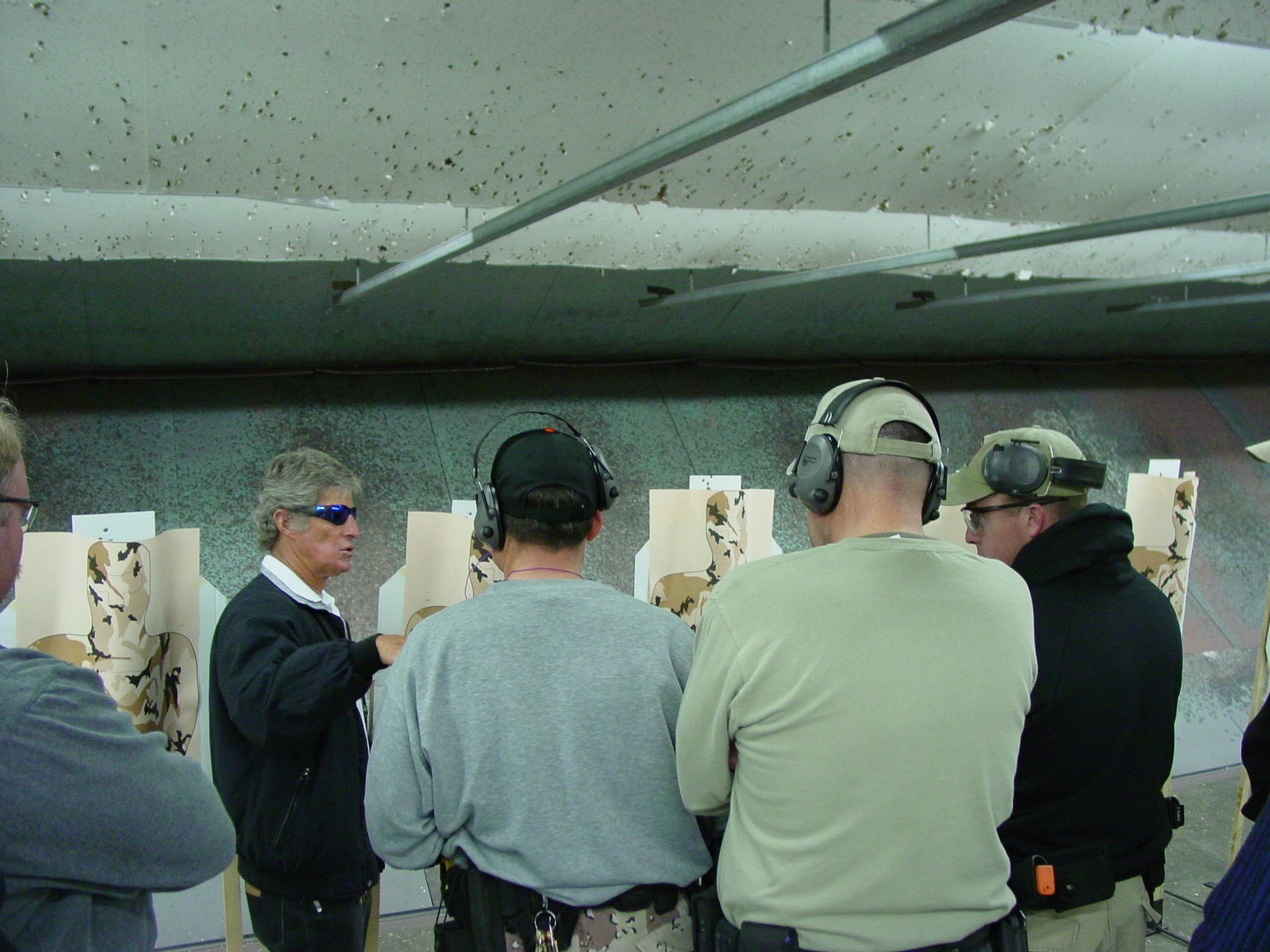
We brought in several outside instructors over the years to update ours. Here, the late Louis Awerbuck is talking handgun usage.
Update Training
Way back in 2001, trainers in my old department developed significant concerns with our regional academy over instructional issues in arrest & control, firearms, and street tactics instruction.
In response, the academy questioned the currency and education of our instructors. To support our positions, I had to pull every instructor’s training records. When I saw the disparities in that training, I asked for and received every-other-year update training for our instructors.
Who To Choose?
Whether organizationally or individually, consider what material you need to update. Are you looking to increase your instructional skills? Or do you want everyone on the same page when teaching dots? Do decision-making and judgmental skills need a greater emphasis? Is practical shooting the goal? Determine the goal, then choose accordingly.
The Army’s special mission unit reportedly brings in competition shooters for their shooting skills.
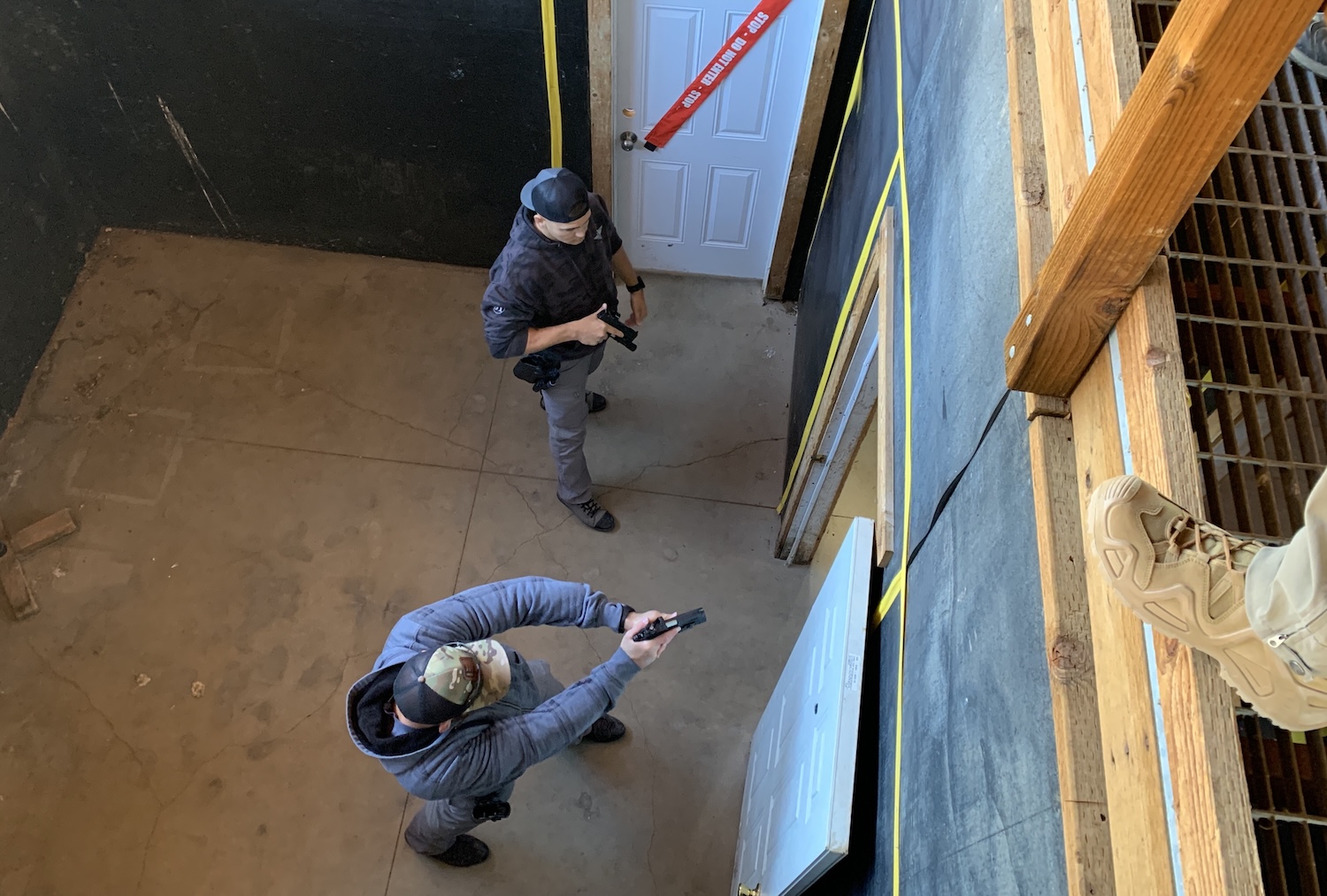
Are tactics a concern? Seek out those with significant tactical experience like these instructors with TruKinetics.
Trigger
A friend called me to discuss a program development opportunity out in California. Specifically, Cal POST (Commission on Peace Officers Standards & Training) now requires instructor update training for those teaching firearms.
The specific need and requirement had entered his mind after a conversation in his current job. Like me, he is a retired patrol sergeant who taught multiple disciplines and put out solid material. He is currently working part-time at a sheriff’s office in a firearms-centric role.
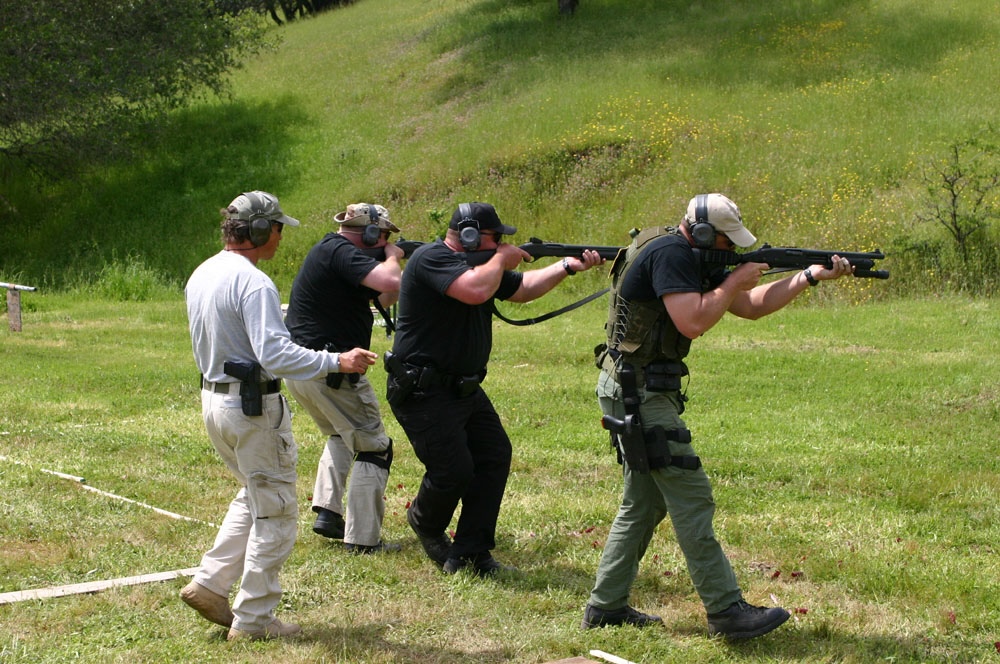
Former LAPD SWAT officer and trainer Scott Reitz working on shotgun skills with the instructors at my old office.
It’s Not Fair
A full-time co-worker was complaining to him about issues related to their regional academy. Specifically, the academy’s range staff was telling recruits they had to keep their optics turned off – meaning not powered on – for half of the firearms program.
My question was: Why? Absent going to a specialized tactical unit, it is quite likely that a recruit will never get more dedicated and structured trigger time. They’re getting XX hours over YY days.
Well, here’s the “actual” why.
“It’s not fair.” It’s not fair to the recruits without them. By extension, it seems that it wouldn’t be fair to the bad guys.
The instructors at that academy, and others, seem to think it must be fair to the others. No, we – those who teach – have what should be a sacred duty to give those young men and women every advantage we can for whatever deadly force encounter they find themselves in. We owe it to them to give them all the tools to win, to prevail, to go home, or to acquit themselves exceptionally well while not subjecting their loved ones to the horrors of a jury trial. No, not my original thought of mine. It came from a phenomenal doc, Alexis Artwohl.
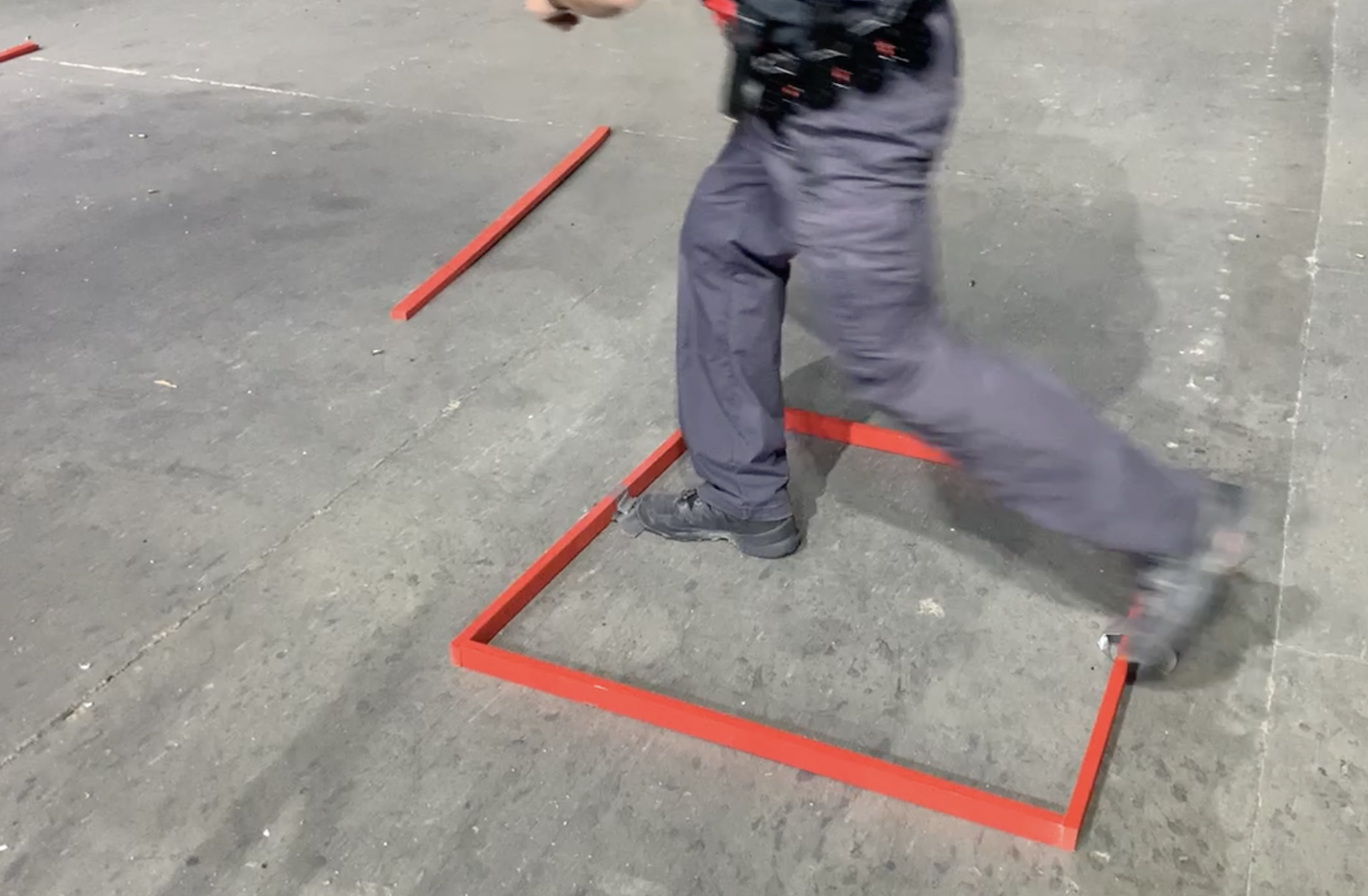
If you are looking to update skills that could be performance-related, find a higher-level competition shooter, like Frank, who is demonstrating movement techniques.
Irons First? No!
I first heard this argument and the subsequent discussions that go with it in the early part of the Global War on Terror (GWOT). Then, and for a few years, there was a very common belief that every recruit needed to know how to use the iron sights on either their M-4 carbines or M16A4 rifles before transitioning to optics.
Fortunately, the idiotic idea generally seems to have gone away.
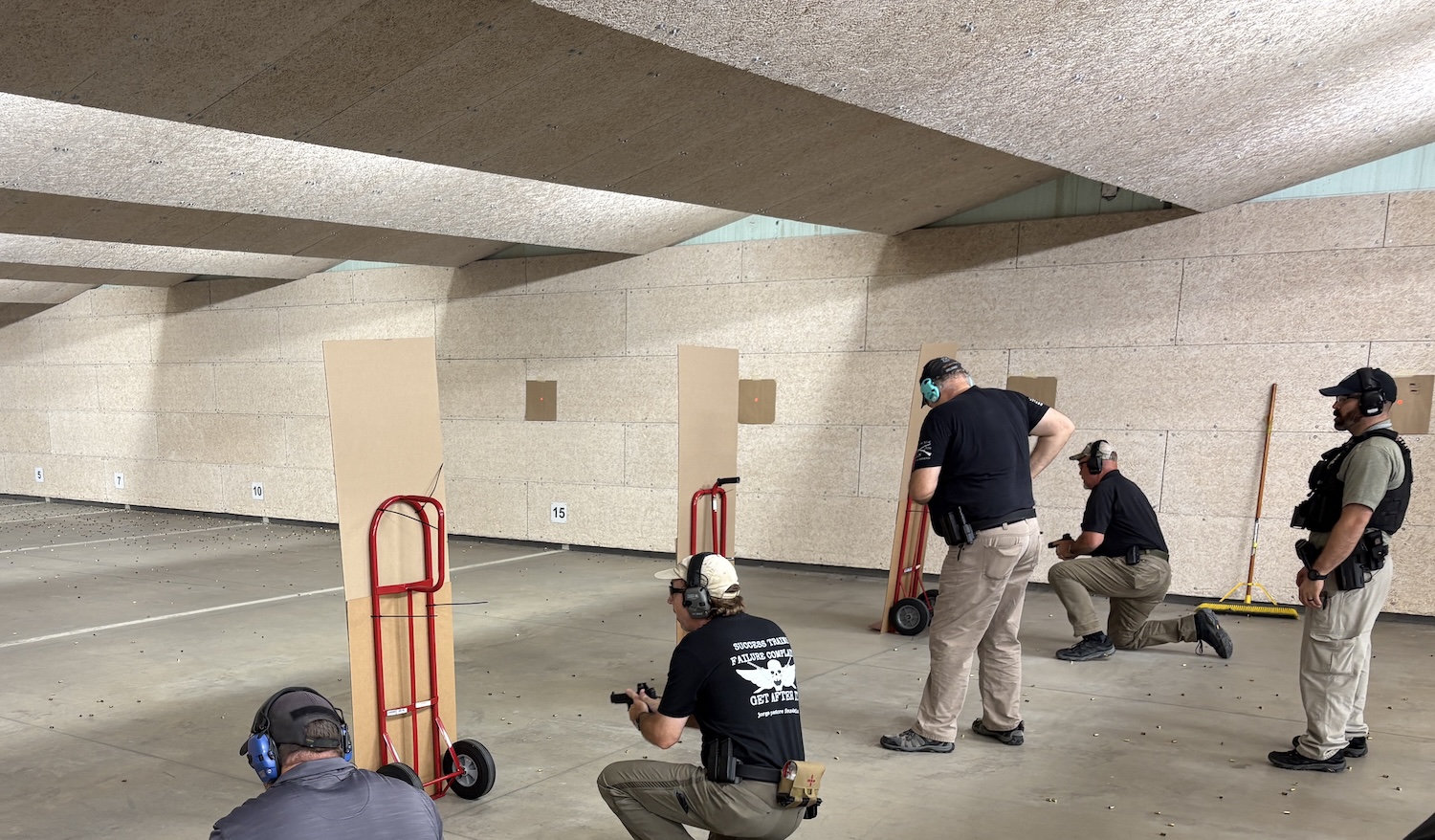
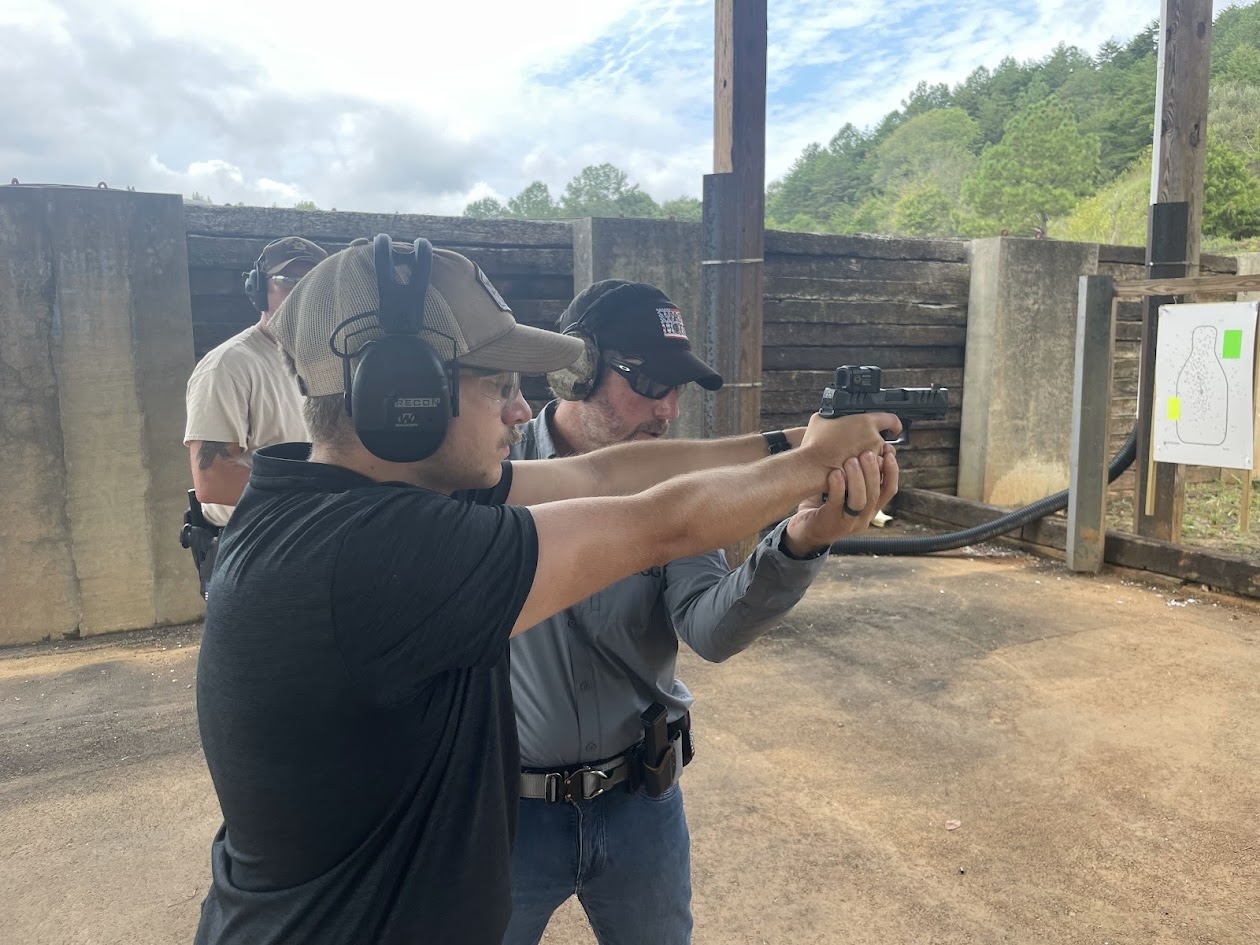
From a recent L/E-centric pistol-mounted optics instructor class. They’re working their optics from both sides of these barricades, from standing and kneeling too.
Enter Pistol-Mounted Optics
Why is devoting 40 or more hours of range time in the academy to learning iron sights idiotic?
Well, the optics work much more in line with how the brain and body do under duress. Yes, many people have done good work with irons. But they really had to work at it to counter the human factors.
With optics, you look at what you need to hit. You bring the optical sight into the eye/target (threat) line. Once the dot appears where you want the rounds to go, you press the trigger. Then the other variables kick in – deliberately or at speed being the biggest, based on the threat.
So, why are some organizational instructors against teaching the use of optics first? Quite frankly, I think it’s ignorance. Many haven’t stayed current. They don’t know how to teach the transition to optics. They haven’t done the work to understand the dot and how to best implement a dot-centric curriculum.
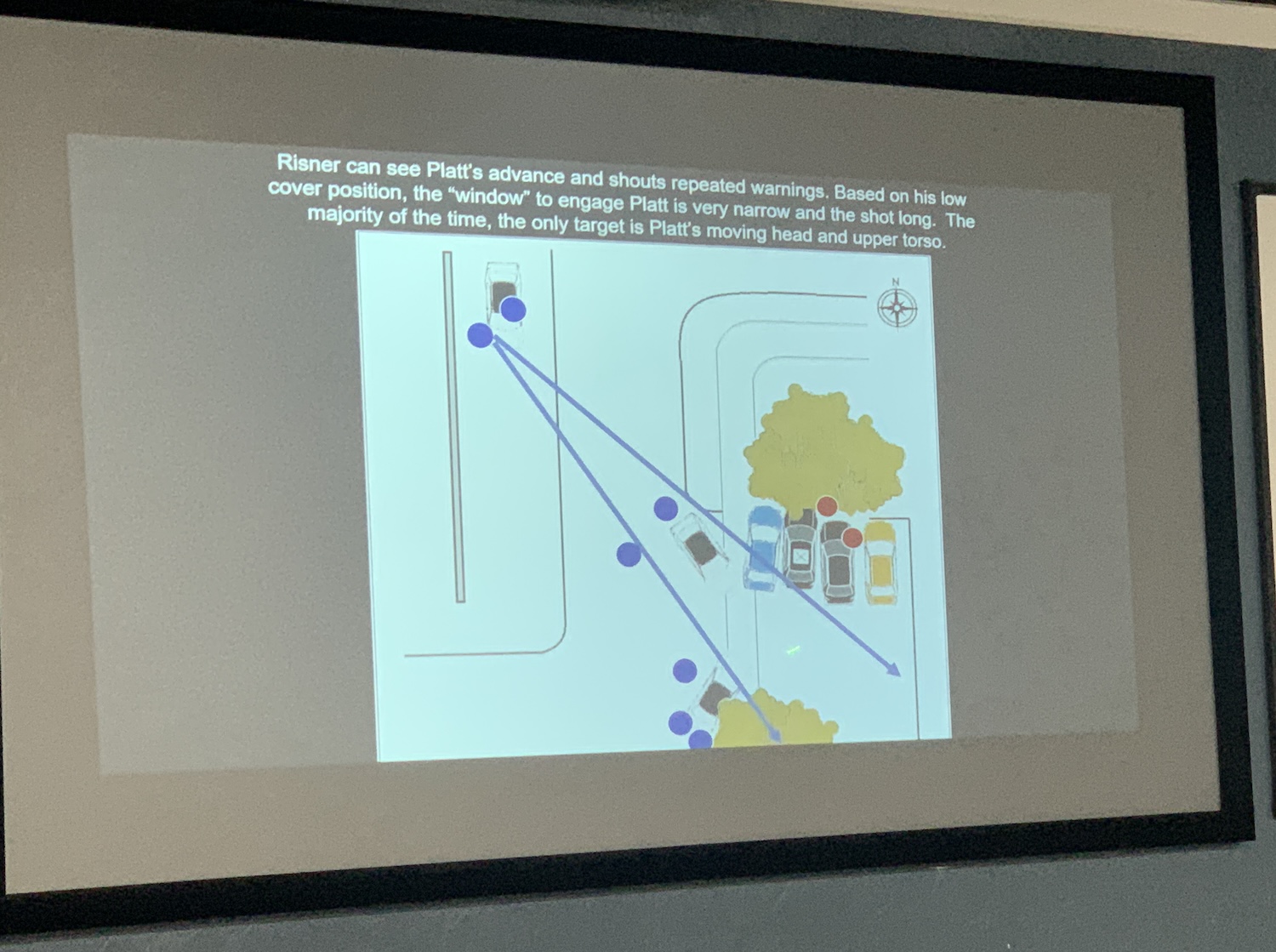
Incident de-briefs should be included in update training. What happened and how to train for it.
Instructors
Take a competently taught L/E pistol-mounted optics class. Not just one that focuses on shooting with the dot. Find those that address armorer concerns, talk about policy and procedural considerations, bring case law on training into the discussion, while addressing actual teaching skills and techniques.
Cal POST Mandates
Per POST’s website, the update training must address:
Coaching; Firearms Maintenance; Fundamentals of Shooting; Range Preparation; Tactical Considerations; Target Analysis; Use of Force Guidelines; Adult Learning Concepts; Legal Issues; Performance Evaluation Techniques; Safety Protocols; and Written, Demonstration Assessment (in each topic area).
None of these are unreasonable. But alone they do not determine the benefit or outcome of the training. It will come down to the knowledge of the instructors presenting the update training. And, far more importantly, their abilities to communicate the current state of the art.
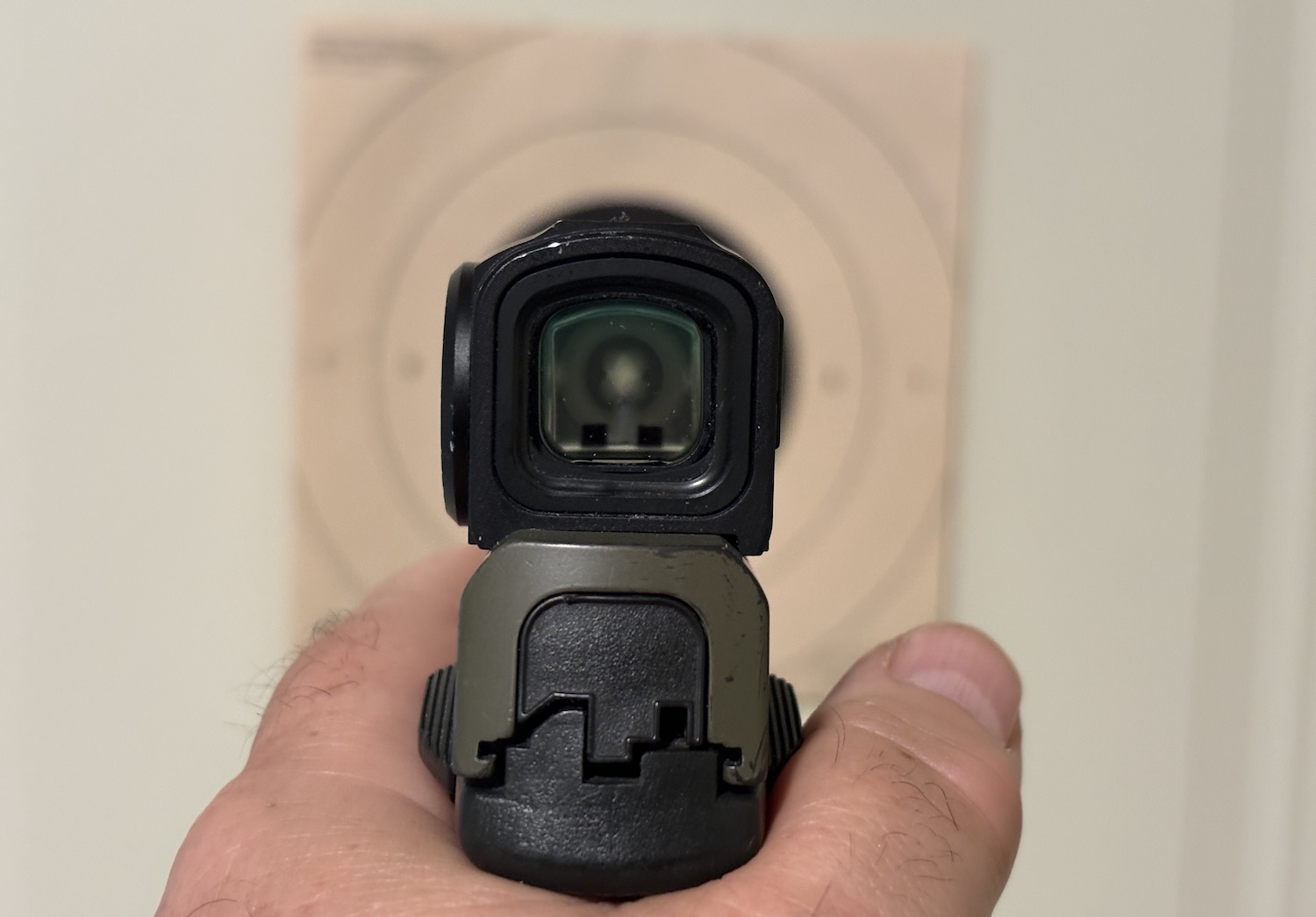
No dot? Cool, train the use of the irons as part of the blocked & broken optics procedure.
Final Thought
When do you teach those recruits to use the irons? During the segment covering blocked and broken optics.