
 (+8 rating, 10 votes)
 Loading...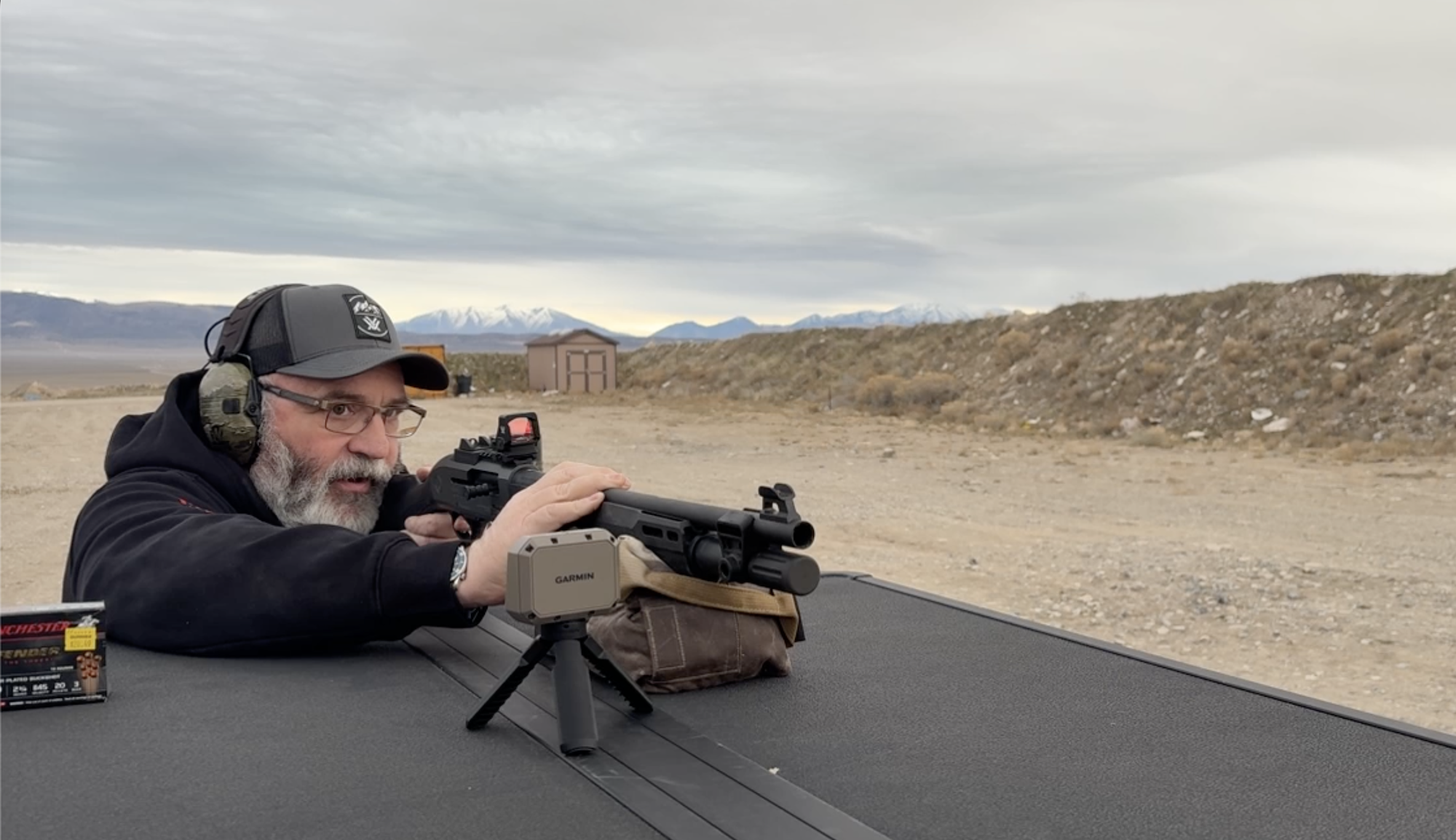
feature-chrono2026-03-01 at 3.16.37 PM 1
Ok, this shotgun is probably going to see much greater use by lawfully armed citizens than by uniformed law enforcement. Those lawfully armed citizens read AmericanCop, too. I say “probably” because I once wrote a proposal to buy a 20-gauge Remington 870 for a very petite trainee, before AR-15s with collapsible stocks and pencil barrels were common. We were going to buy that gun if she had made it off FTO.
Back on Topic
During last year’s ThunderStick Summit (here) at Staccato’s Pahrump, NV facility, I was approached by the shady guy in a trench coat and sunglasses, who said, “Psst, come here, I got a gun for you to see.” Well, the come see a gun part is true.
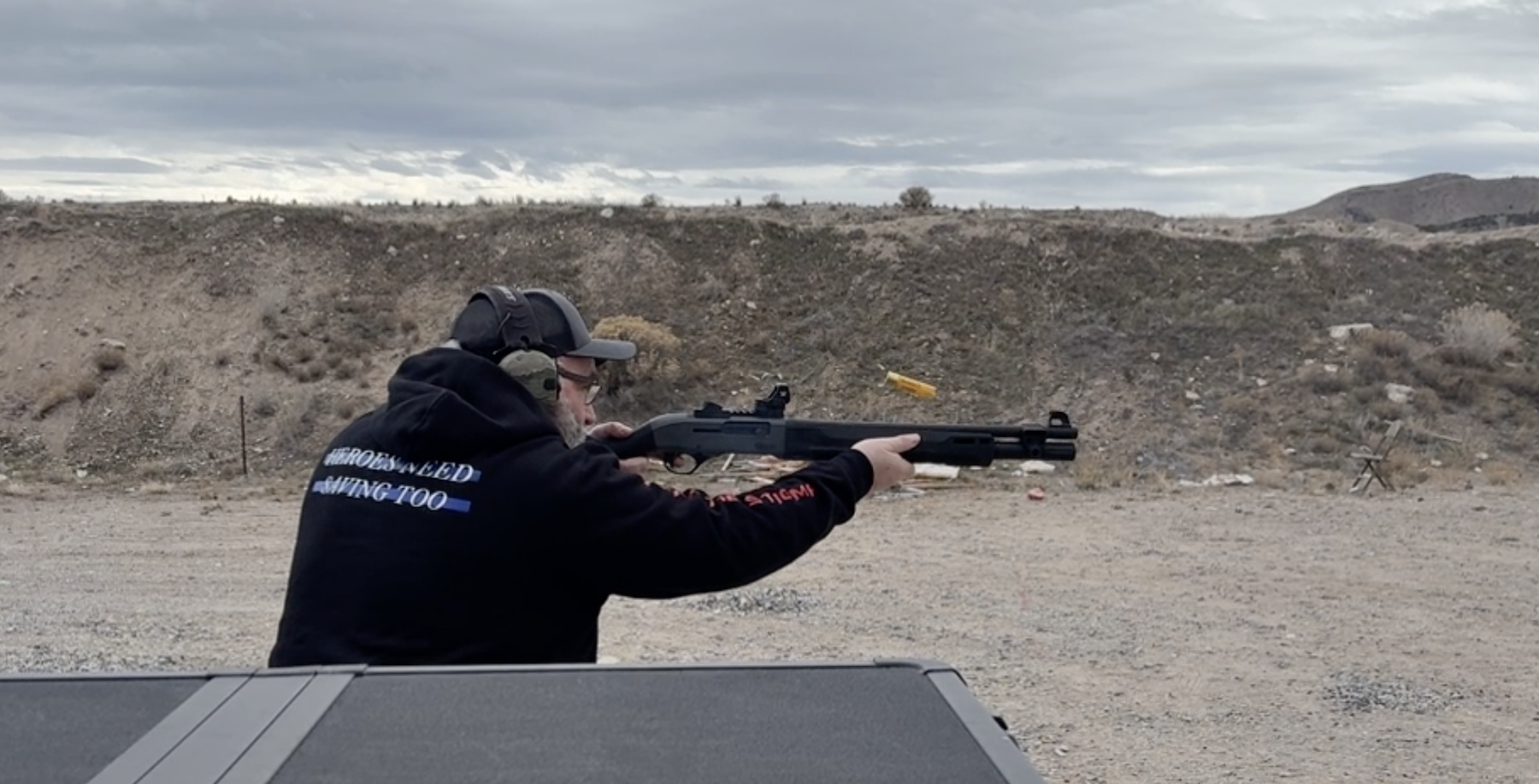
Function testing with Federal’s #2 Buck FliteControl loads.
A long-time friend from the Beretta world was holding what looked to be a slightly smaller A300. Visually, all was the same, just a bit smaller. When I took hold of the gun, it was immediately apparent that it was also noticeably lighter.
I was only able to do brief dry practice with it, because of not being seen and stuff. As a bit of a Beretta enthusiast when it comes to defensive shotguns, I was intrigued. Part 1 and Part 2
During this year’s SHOT Show, I talked with the crew at Beretta and got on the list for a writer’s sample.
Initial Observations
The first thing I felt was the molded checkering. If you have ever had a custom 1911 with aggressively cut checkering, you will know the feeling. You are not going to lose your grip on this stock. Not at all.
Then I noticed the plastic sleeve for the bolt release was missing. Ok, minor. The safety button was stuck about 2/3rds of the way to OFF. This kept the trigger from being pressed, no matter how many times I cycled the action. A couple of taps with the bench mallet solved it. Finally, I heard a metallic tinkling while addressing the safety. I found that the sleeve for the front sight housing was loose. Two complete rotations of the screw fixed the issue.
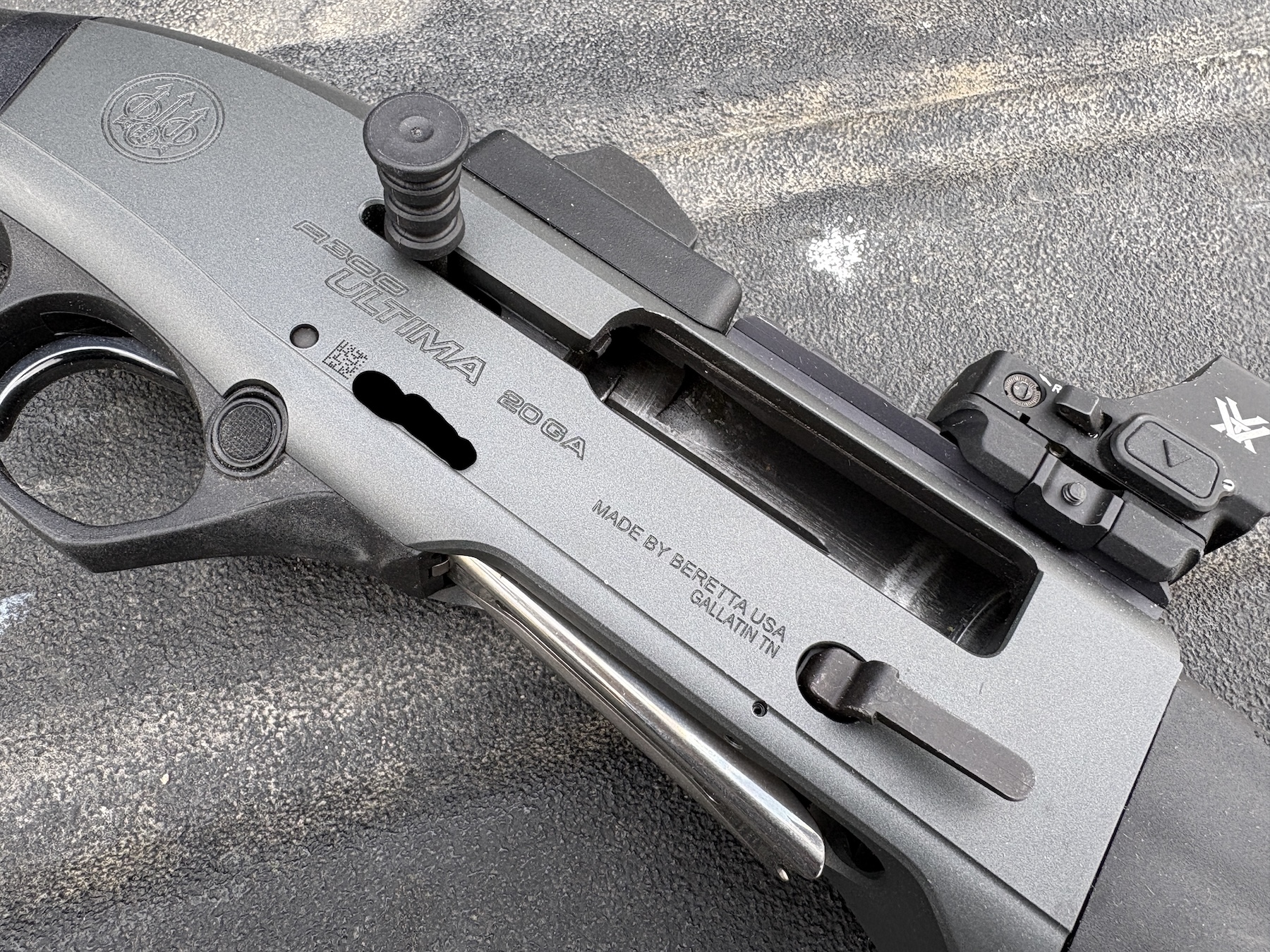
Aside from the markings and the weight, it’s difficult to tell this is “just” a 20-gauge.
The rest of the initial function check and inspection went just fine.
The stock, forearm, and magazine tube clamp appear to be the same design as the ones on my 12-gauge A300 in the articles above. The good news is that there was nothing for me to re-learn.
Sights
The 20-gauge model came with the same fixed ghost-ring sights and optics rail as on my 12-gauge version.
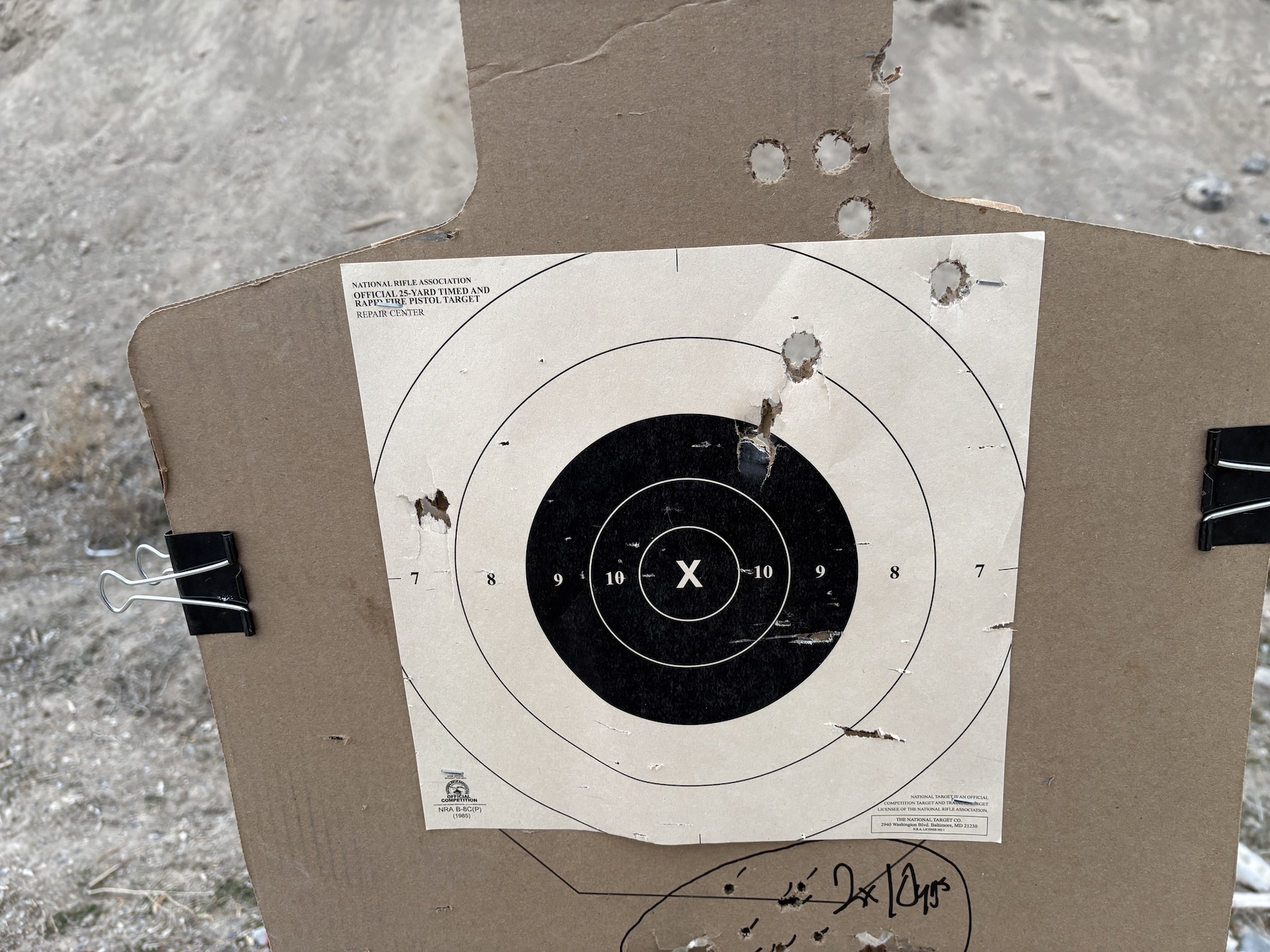
The optic wasn’t zero’ed but those are two different slug loads – Federal and Sterling at 25 yards.
Since the optic rail was complaining about being lonely, I opened the Tupperware bin of optics. I went with a Vortex Defender XL that was already on the correct base. Installation was easily accomplished.
First Range Trip
I’m fortunate to belong to an outdoor range where I can shoot at any time of day or night. All. Looking at the next day’s schedule, I saw that while there was a two-gun match during the day, several shooting bays would be available in the evening.
Ammunition
Because of two 20-gauge shotguns (a pending project gun down at Vang Comp) and this in inventory, I bought a case of Federal’s new 20-gauge #2 Buck FliteControl load as soon as it was available. And I paid full retail for it.

The loads I’m working with now – Federal FliteControl #2 Buck and Tru-Ball slugs, Sterling slugs, Winchester #3 Buck and #7 1/2 shot.
Once I had the shotgun in hand, I headed up to a larger local gun store with a much wider selection of shotgun ammunition. I picked up slugs from Federal and Sterling, defensive #3 buckshot from Winchester, and a case of Winchester 20 gauge #7½ shot.
Patterning
First shots with the gun were to pattern it. I fired two rounds at each distance – 5, 10, and 15 yards. So each pattern will have twice as many pellets.
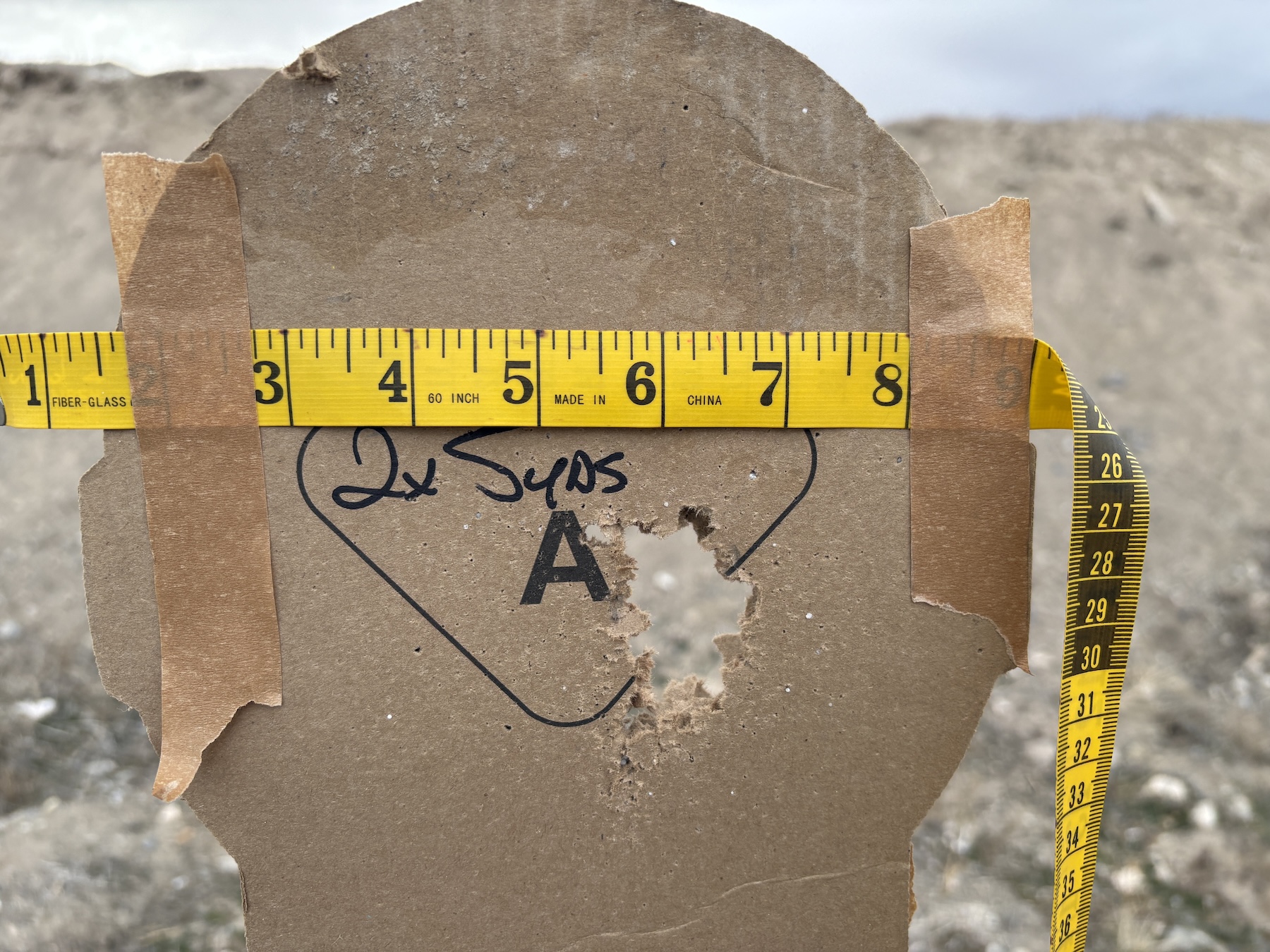
At 5 yards, all the pellets and two shot cups went through that hole.
At five yards, the two loads were in a 1¼” hole, and that includes the shot cups.
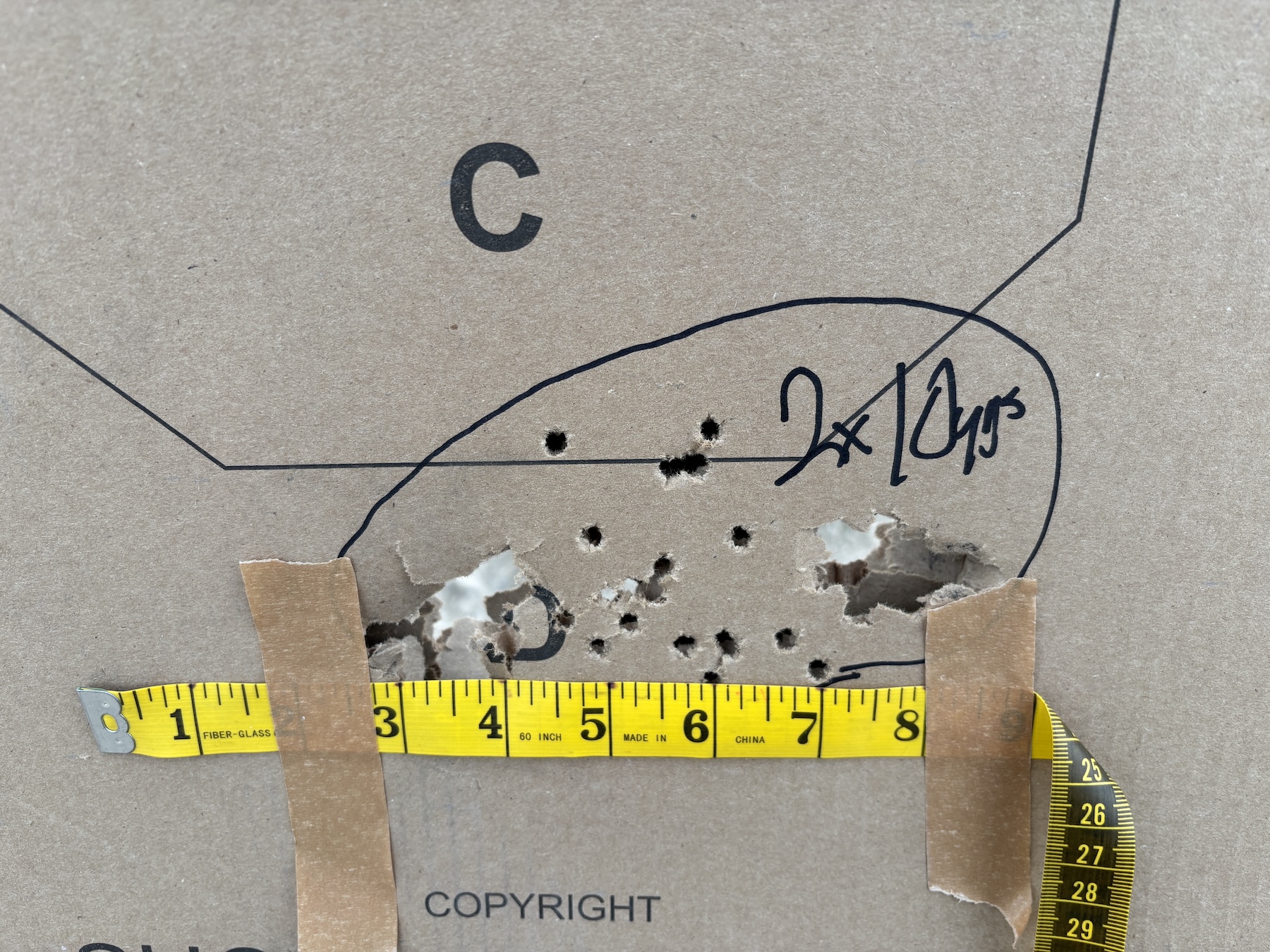
Two shells worth at 10 yards.
The 10-yard pattern was about 3½” wide with the shot cups on either side.
And, back at 15 yards, I got a 3 ¾” by about 5” spread.

The 15-yard pattern size.
While I have not yet zeroed the Vortex optic, it was consistent with the slugs from Federal and Sterling. The Federal Tru-Ball slugs chronographed about 200 feet per second faster than the Sterling. All of that data will be in part 2.
Cycling
While I did not expect otherwise, this A300 cycled these different loads with a variety of muzzle velocities without issue. Everything cycled, fed, chambered, and extracted without issue.
Needs
I haven’t mounted a sling on the gun yet, but I will this week. It will get The Wilderness’ limited stretch two-point sling.
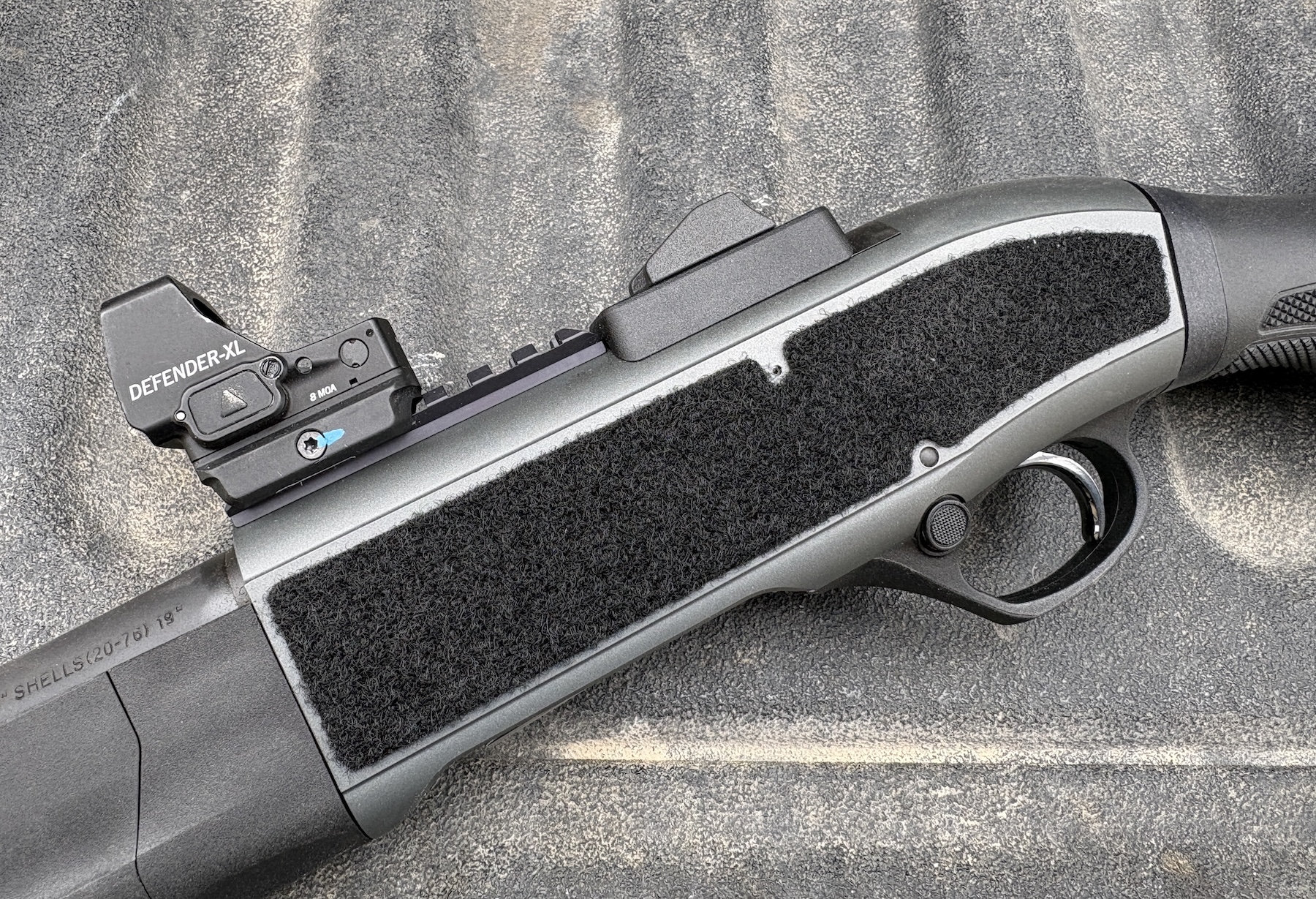
The loop strip came with the gun for attaching removable shell cards.
The other need is a shell holder, rather than loading out of the pocket on my hoodie. Yes, it will be the nylon and hook/loop tape shell cards from Vang Comp Systems. The left side of the receiver was bare when it came out of the box. A die-cut piece of loop material came with the gun for attaching the shell cards. After degreasing and drying the receiver, I stuck the strip onto the gun as intended.
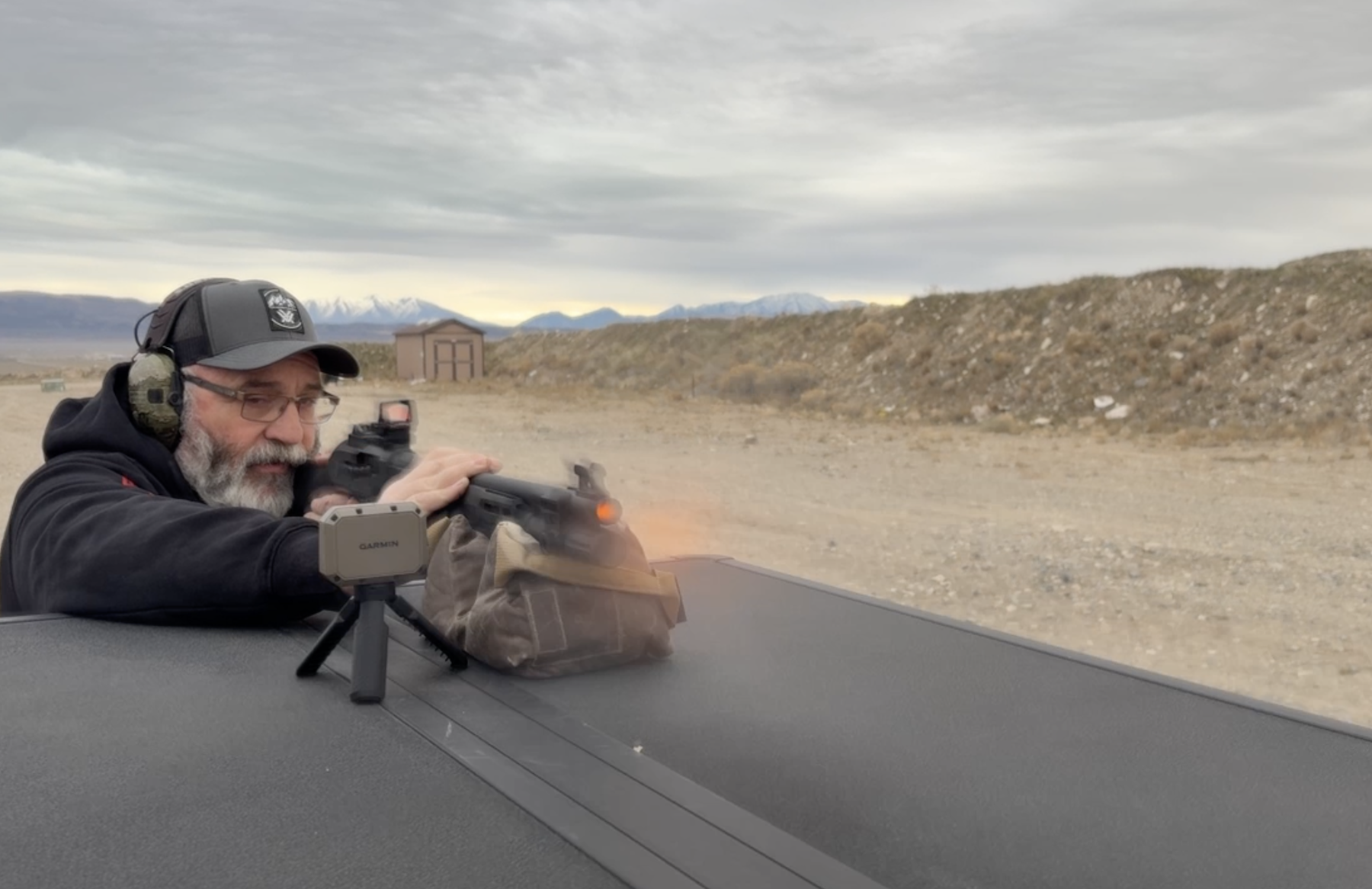
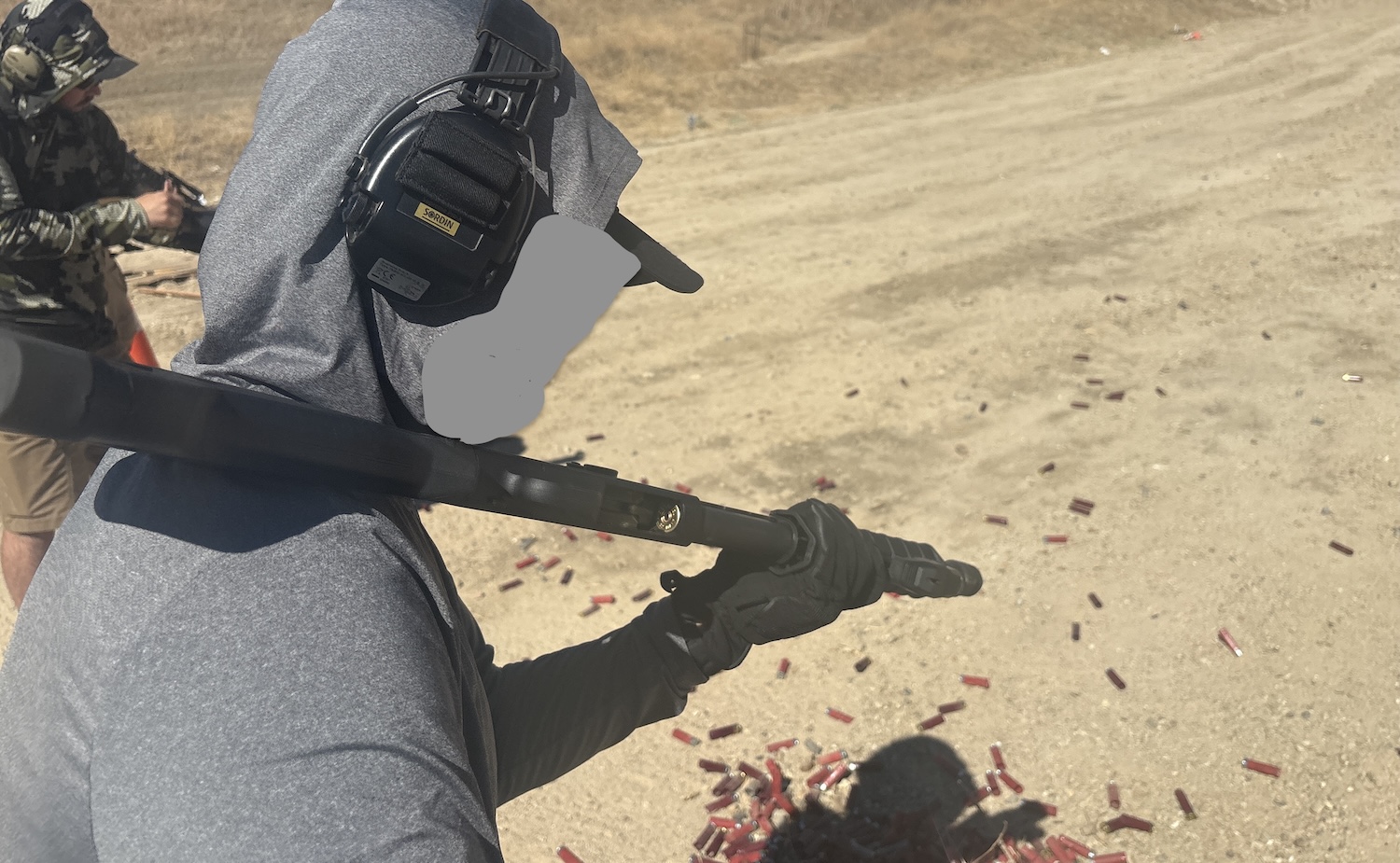
Muzzle flash from the Winchester load while chronographing it with Garmin’s Xero C1.
For Now
I’m intrigued with this gun; functionally, it is what I thought it would be. How it performs with a greatly increased round count will be the deciding factor. I’ll have it available as a student loaner during at least two classes this spring.