
 (+6 rating, 8 votes)
 Loading...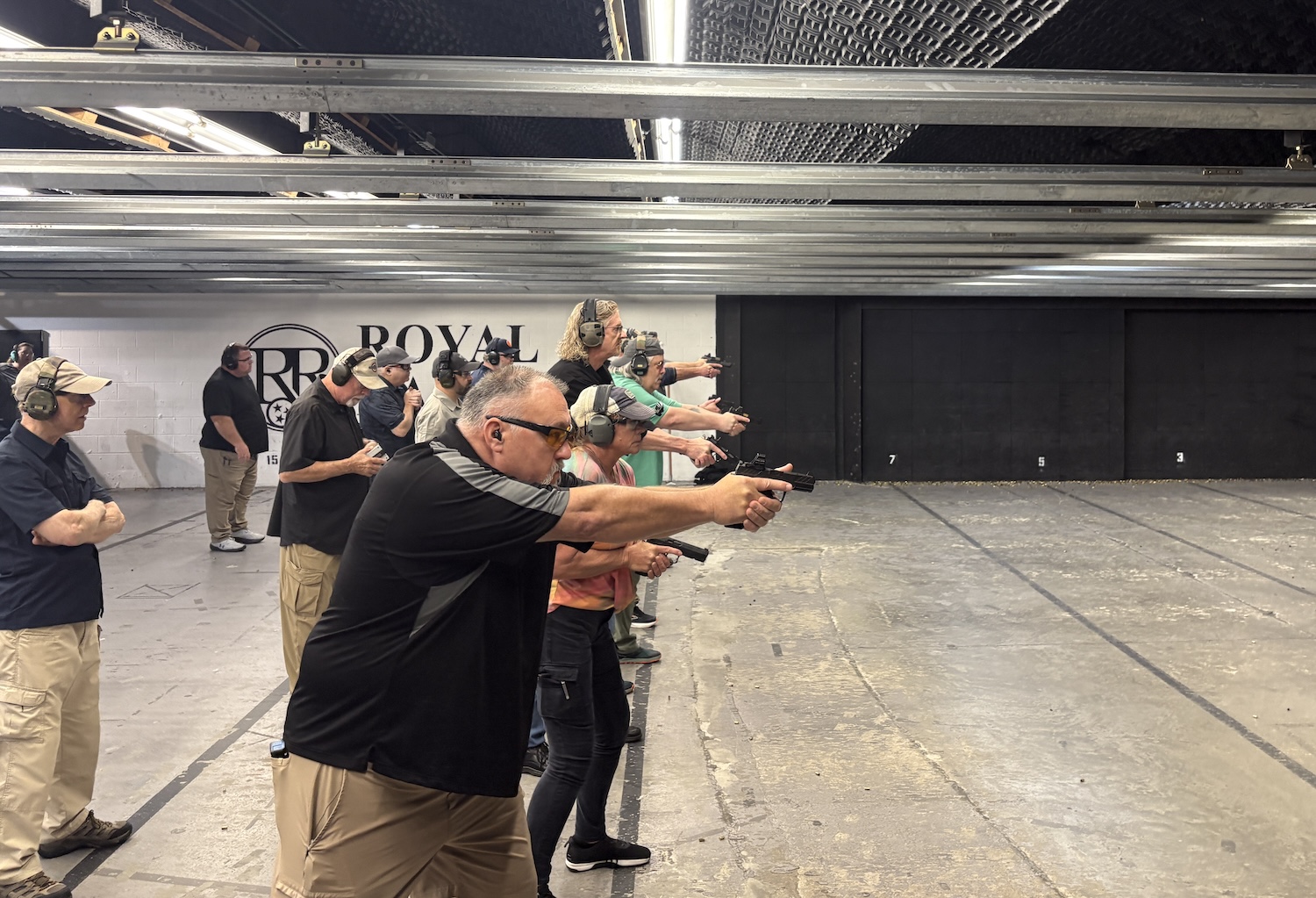
fReadysIMG_9457 copy
Who
This past weekend, I trained with Tom Givens. Tom began teaching defensive firearms in the Memphis, TN area while he was still actively involved in police work. That grew into buying a range. He has taught on the road for decades, covering both application and teaching.
Over the past several years, he has concentrated on instructor development.
For many years, Tom wrote a monthly column in the now-defunct S.W.A.T. Magazine that focused on what other trainers were doing in their classes. My writing career started at S.W.A.T. in the 00s. Now, I can cover a class of Tom’s.
What
I took the Advanced Instructor Course. It is a sixteen-hour follow-on to his Instructor Development Class. While the first in the series seemed weighted toward knowledge, this is an evenly balanced lecture with practical range work.
It is what Tom would do on days 4 & 5 – if he could run Instructor Development as a five-day-long class. Easy for those in government, not as much for those in the commercial or private sector.
Where
The class was held at the Royal Range, on the west side of Nashville. If you haven’t been there, it is an excellent commercial range built inside what was once a multi-cinema movie theater. This was my second time there.
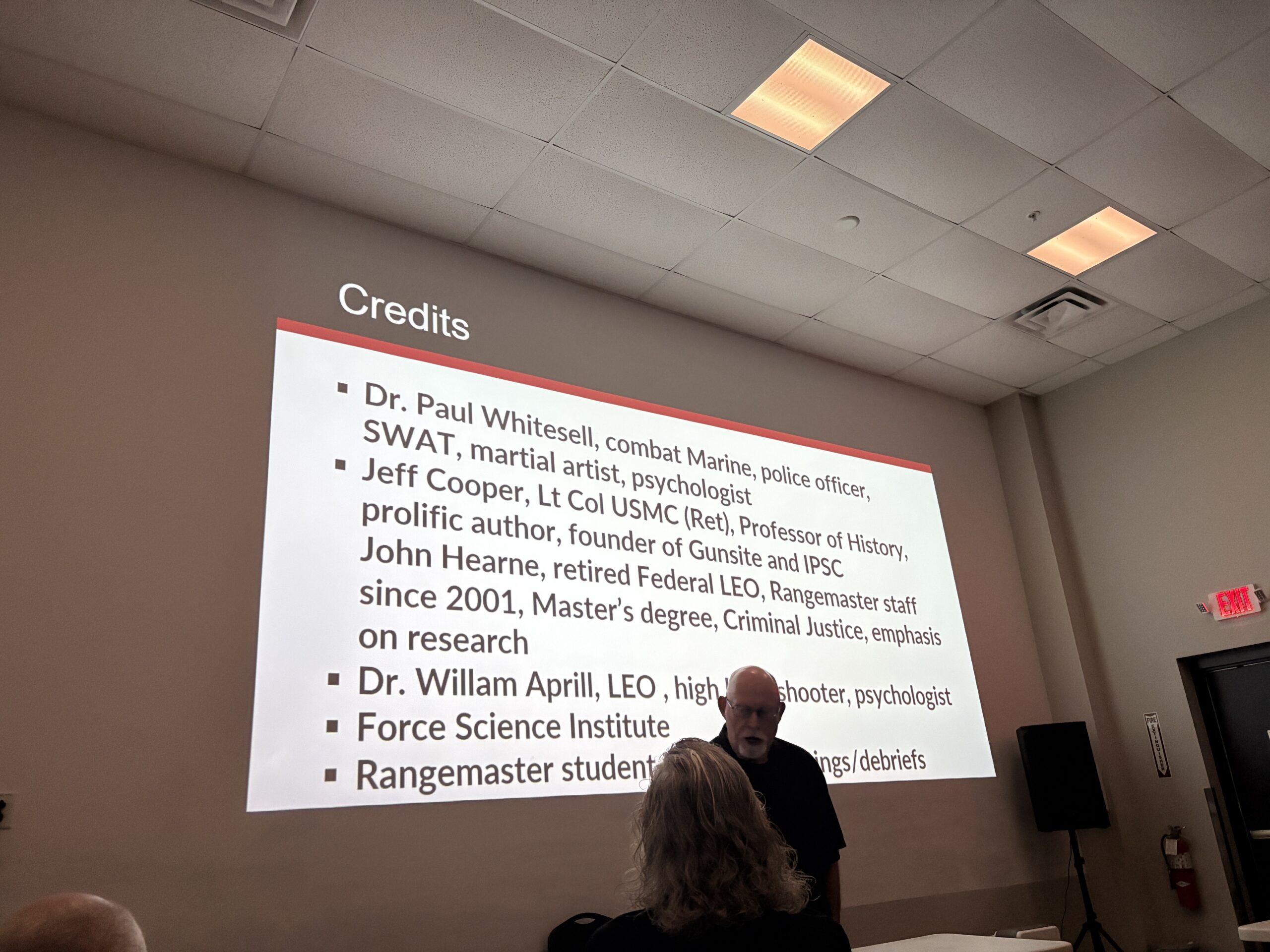
The sources Tom used for the section on the brain and mental preparation.
When
The class was held the weekend of August 15th & 16th. Tom wanted us in our seats by 8:45 AM each day, and we worked until after 5 pm.
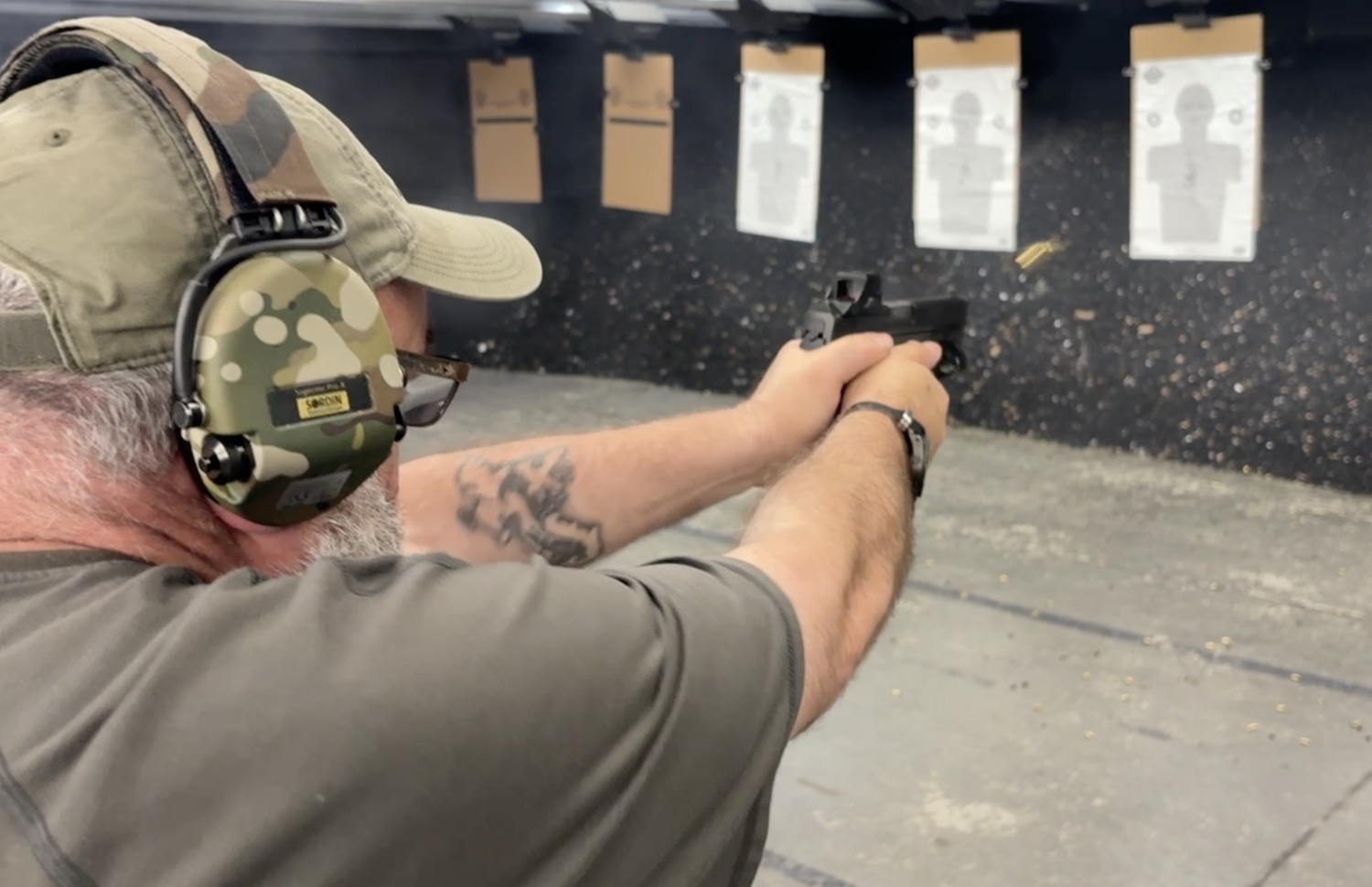
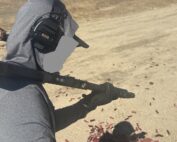
Maintaining my grip while shooting a ten-shot drill.
Why
I took his entry-level instructor class back in 2020 down at Casa Grande, AZ. As Tom gets closer to retirement from teaching, I wanted to take at least one more, if not two, of his instructor development classes. Since he has stopped teaching the shotgun instructor curriculum, my choices were from the handgun instructor series. Advanced was the next in line.
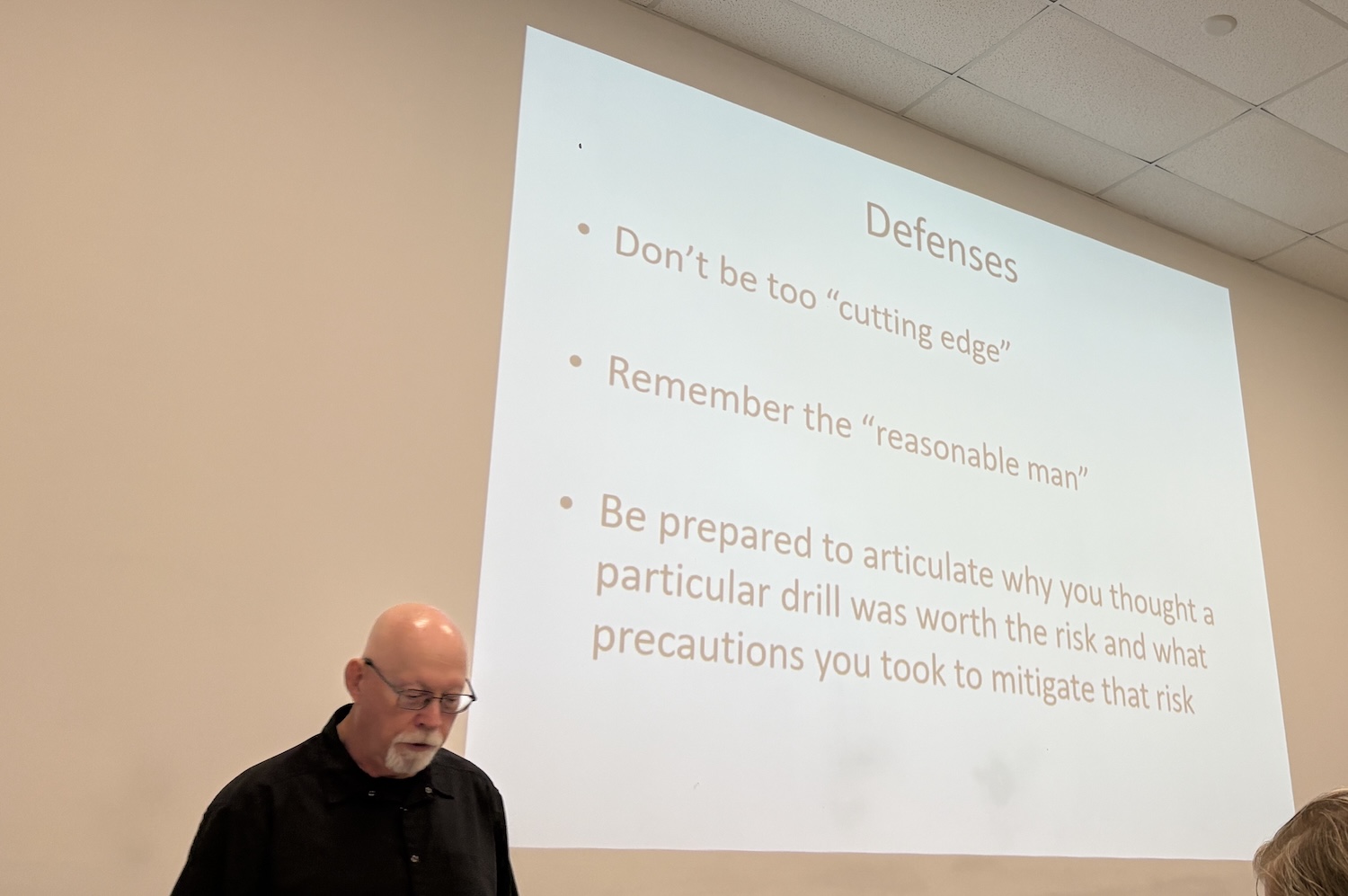
The class covered civil liability for us as instructors. Unfortunately, lawsuits against instructors seem to be becoming more common.
How
The class was a mix of classroom presentation and range work. Tom told us the class goals were to address timing issues in combative marksmanship and precision shooting at speed. To address those, foundationally, in the classroom he covered:
- Scoring methodology;
- Target selection and design;
- Drill design;
- Liability concerns for instructors;
- Lessons from the FBI-Miami for civilians;
- Mental preparation;
Once on the range, we were divided into two relays. The range portion started with dry work addressing grip, presentation, sight acquisition, and trigger manipulation.
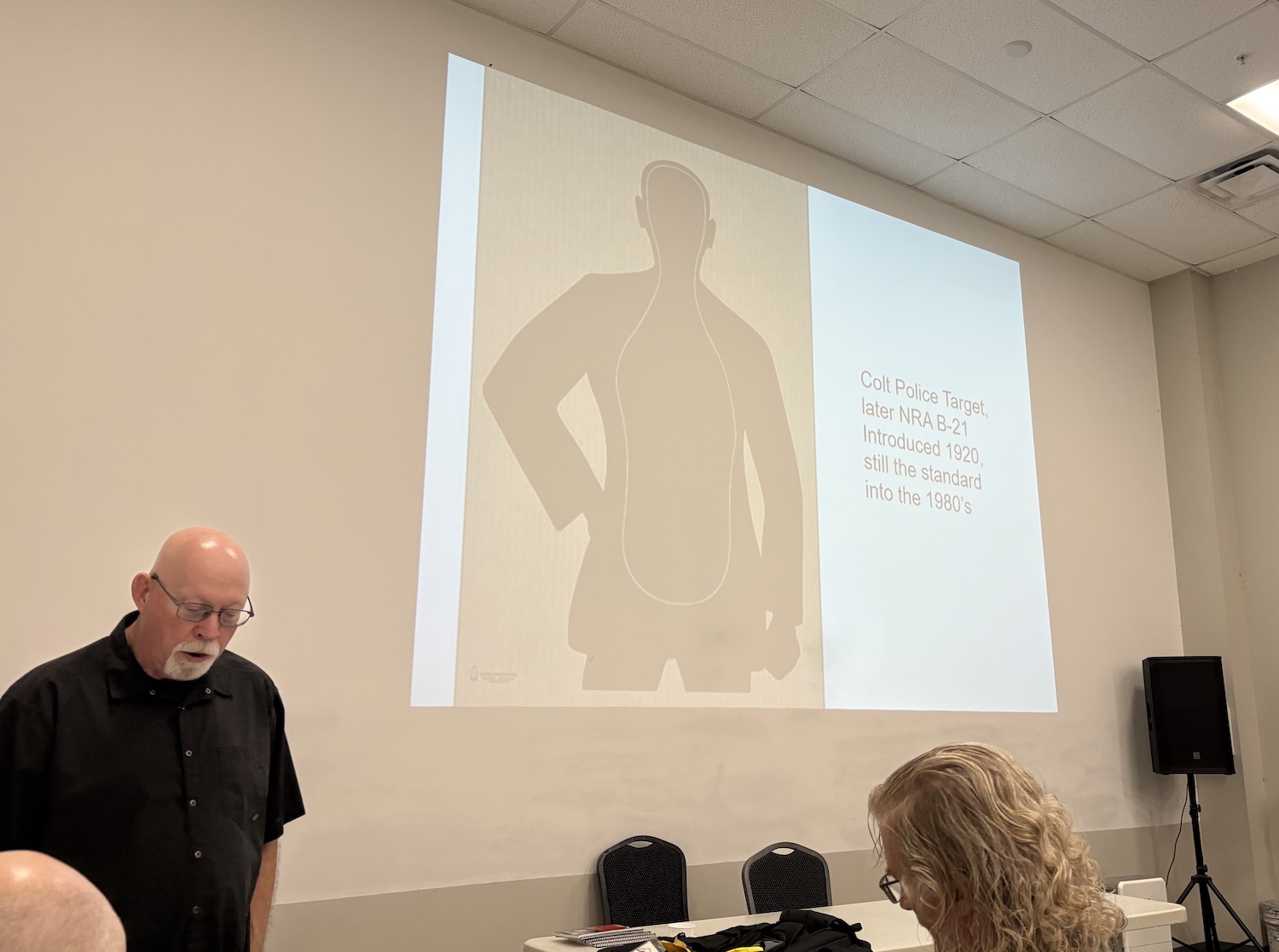
The section on target design was very interesting. The Colt Police target from the 1920s was designed to show the elbow flair on a draw. Have you heard the recent discussions about a 45-degree elbow flair when drawing from concealment?
On the range, the drills focused on accuracy delivered with speed. We used timers liberally to time relays as a group. For nearly every drill, each shooter had an individually timed run in front of the class.
Sunday’s drills included Rangemaster’s advanced bullseye course (from 3-20 yards); baseline assessment drill; two-reload-two, then transition to a headshot at 5, 7, and 10 yards; the Old West drill shot on a full-size playing card; their advanced instructor qualification course, the Casino drill; all before finishing with SCAT.
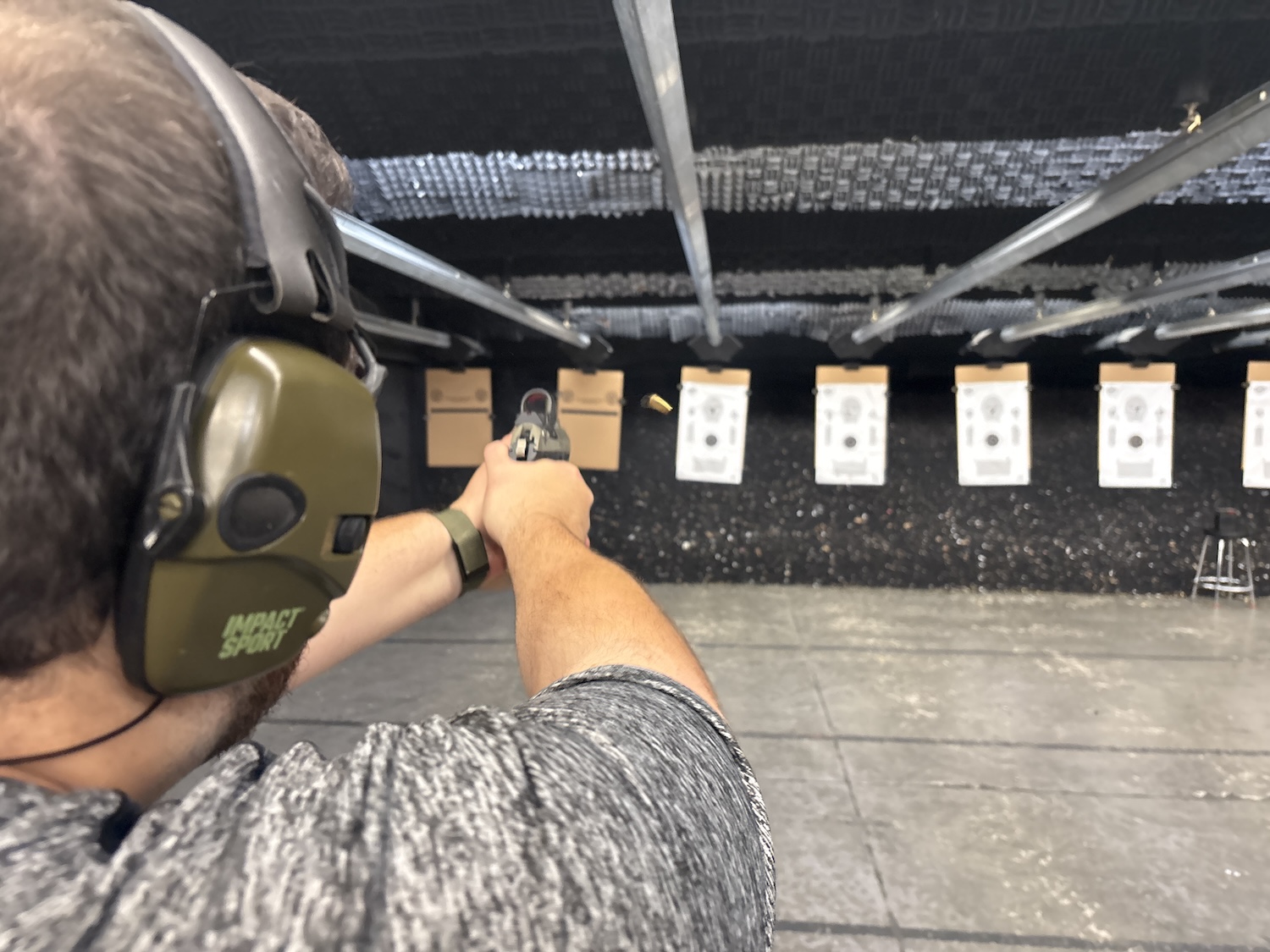
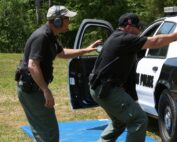
A very solid gentleman from the manufacturing side of the industry. At a class to see what is taught and why to help develop better products.
Drills were shot on a B-8 repair center or Rangemaster’s current silhouette target. Acceptable scoring on the silhouette was within the 8” circle on the upper, the home plate shape on the head, or the 2.5” parrot circle over each shoulder.
SCAT is a qualification course. It has strings from 5 to 10 yards. You shoot each timed string individually. Scoring is Comstock Count; I mean hit factor. In other words, points divided by time. Total points are determined as well. My Comstock count, I mean hit factor, score was 7.03. My overall points were 140.65.
Optics
I did not see any issues with either pistol-mounted optics or traditional iron sights, and both were represented (albeit not equally). None of the optics lost zero or departed their host slides.
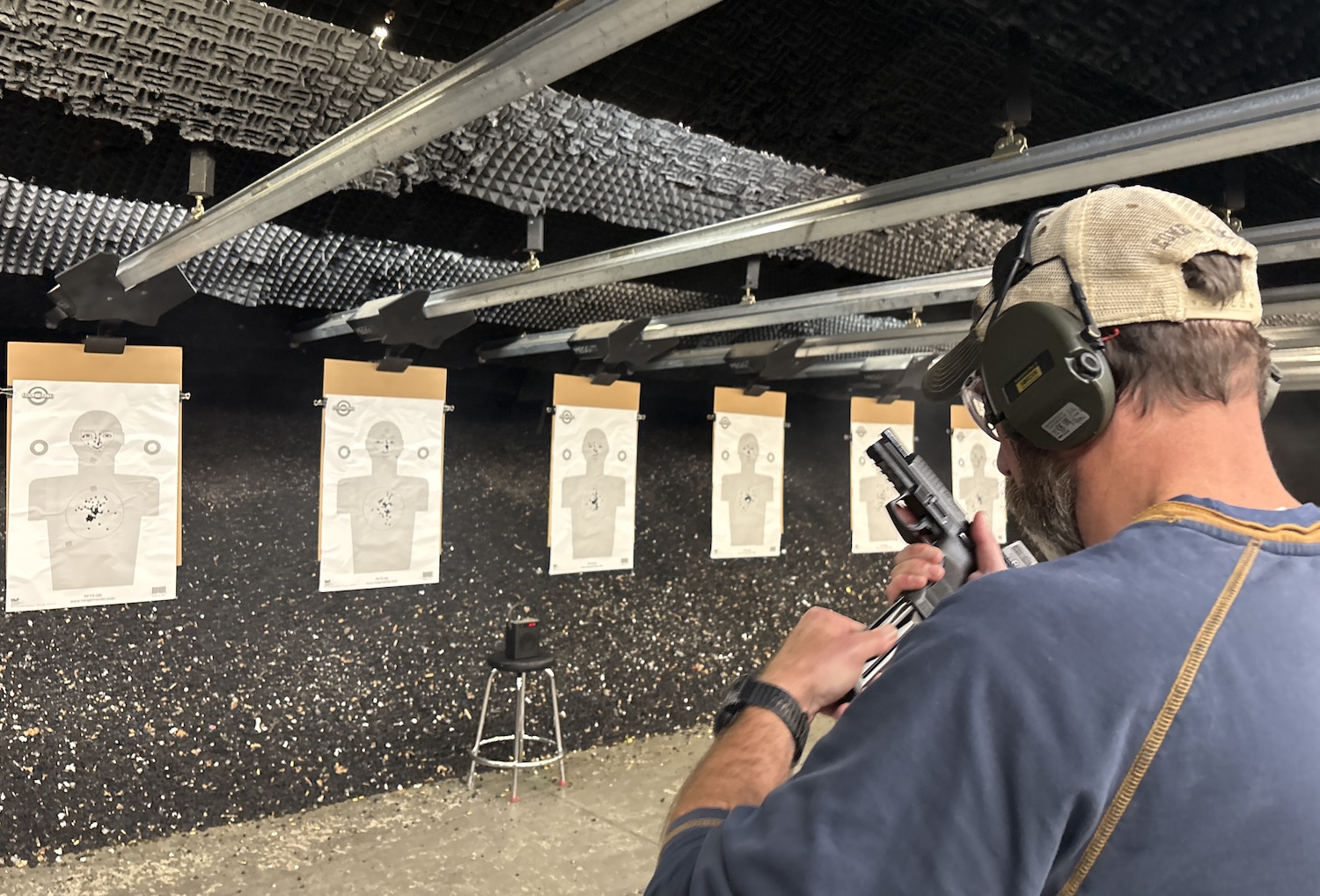
A retired Special Forces senior NCO who now teaches excellent classes in the private sector. His job in the Army was to teach and train. He was at the class to refine his abilities.
Range Pokémon
I first heard this phrase when a friend reviewed my first open enrollment pistol-mounted optics class. Tom used the phrase for the coins he gave away following three courses of fire. One went to the high shooter on the Advanced Instructor course qual. The second was for the Baseline Assessment Drill.
A third coin was awarded for the Casino Drill. This one involves three seven-round magazines and a target with six geometric shapes. In the most common sequence, the shooter draws on the beep and fires – once on target one, twice on number two, three times on the third, etc. The seven-round load forces reloads in the middle of a target, and you need to finish that shape before continuing. That induces some cognitive load, plus the draw, reacquisition of sights, and target transition.
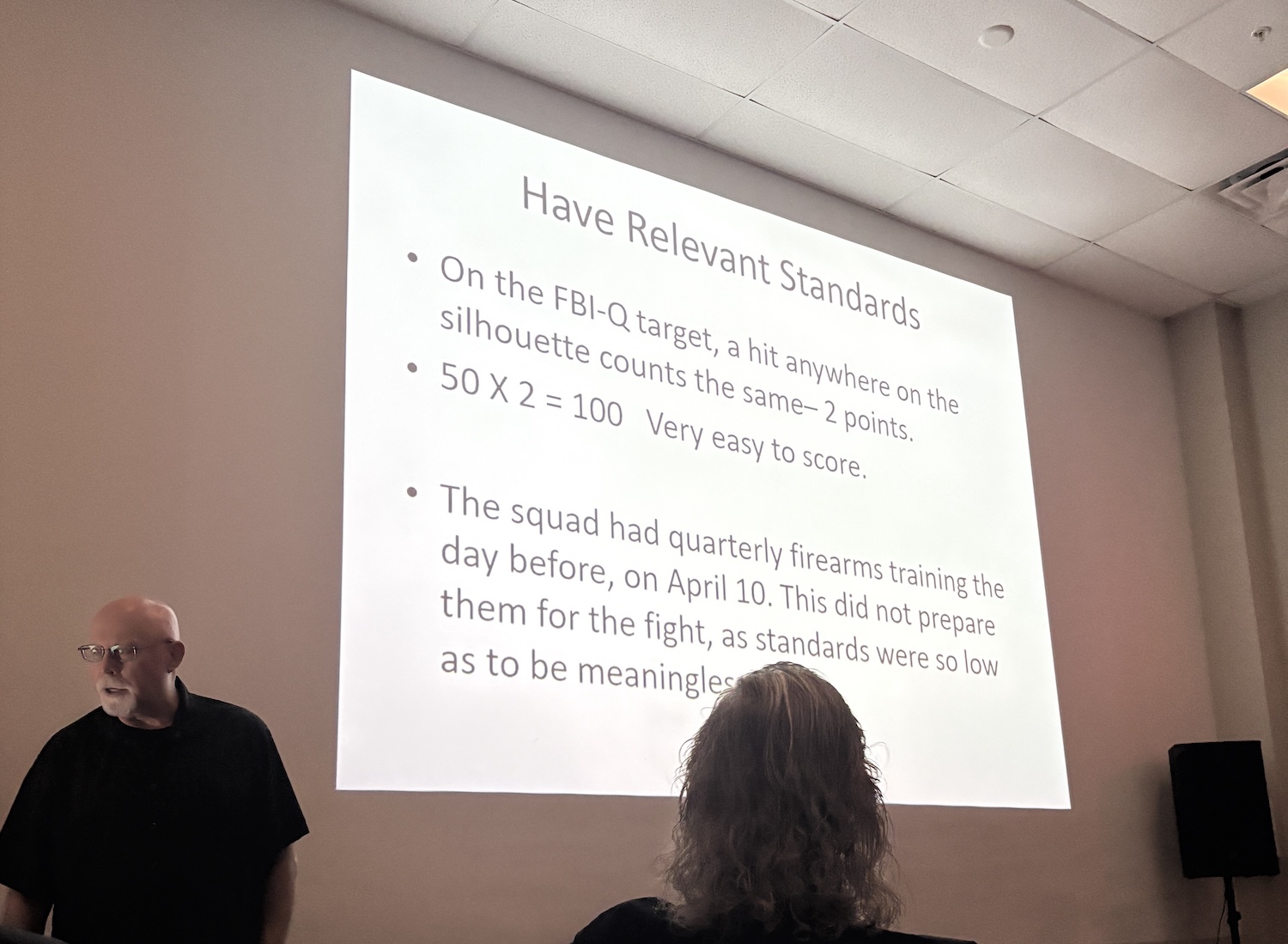
The 1986 FBI-Miami shoot-out lessons learned were covered from the perspective of the self-defense shooter.
A very solid shooter from the East Coast took the Casino coin.
A final coin went to the shooter with the highest combined score on the class qual and the baseline drill. I took those three coins with a score of 299/300.
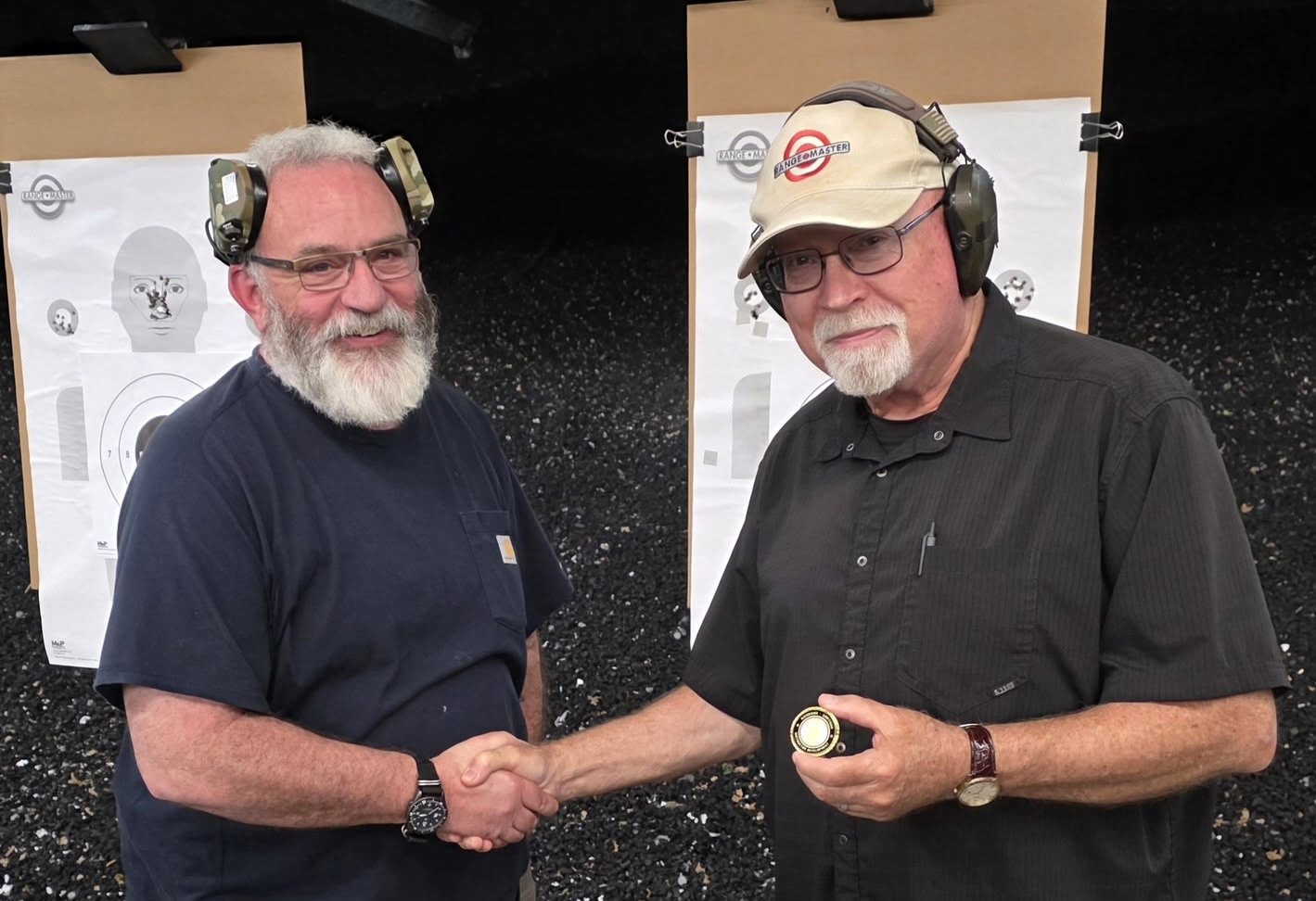
Receiving a coin from Tom for my performance on the baseline assessment drill.
The Benefit To L/E
This series of instructor development classes will absolutely benefit active police firearms instructors. Why? As those being hired shift from a traditional demographic to the current generation, instructors need to adapt. Learning how to teach non-traditional, non-institutional students will only benefit you in terms of training new officers.
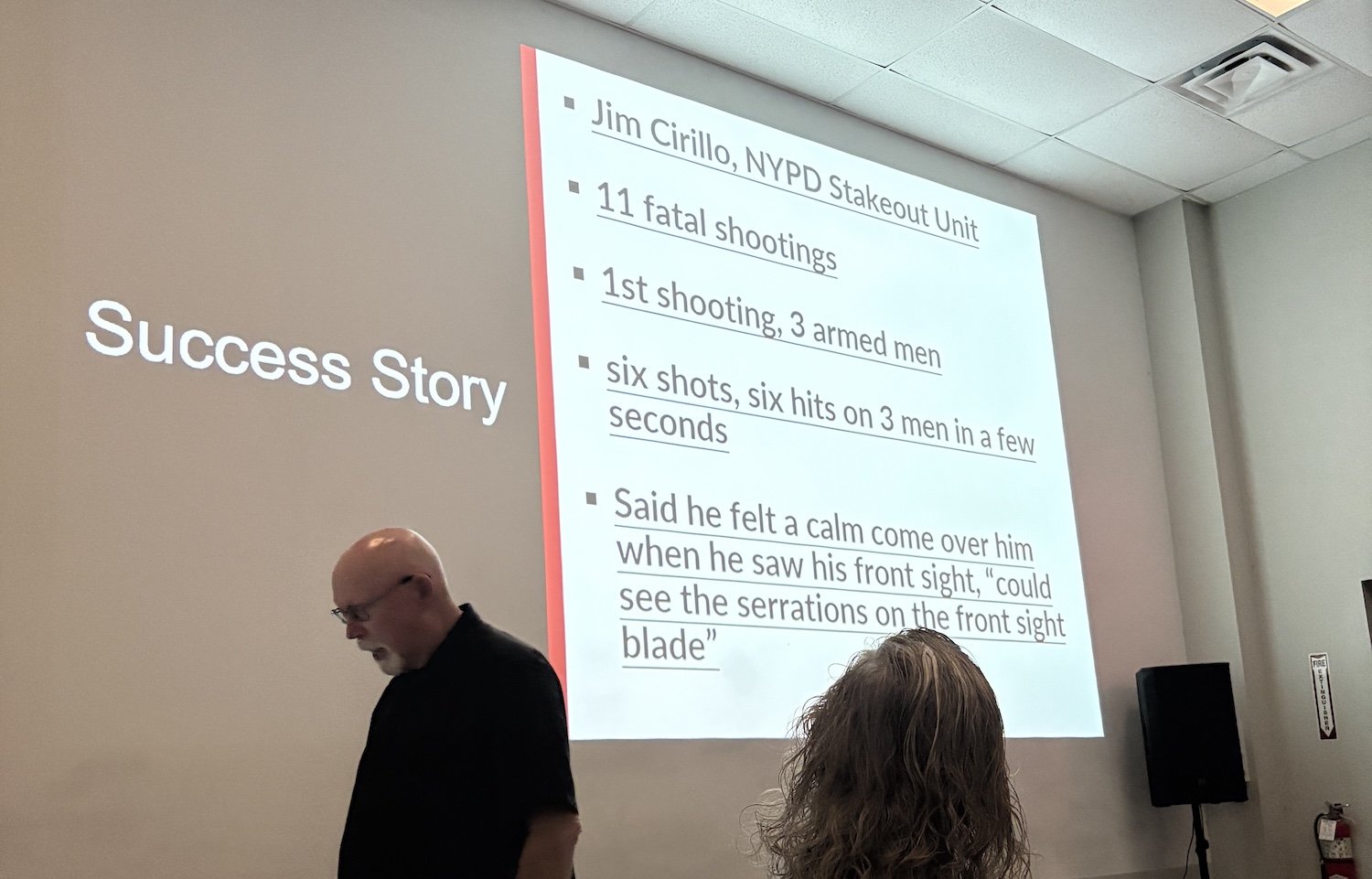
Tom also covered those who won. He specifically discussed Jim Cirillo of the NYPD Stake-Out Squad.
Final Thoughts
For those of us in law enforcement and the military, we have access to numerous instructor courses. Some better than others. None teach us to train decent, normal humans. Likewise, the private sector has a few programs for training firearms instructors. Alas, not all produce competent trainers.
Rangemaster’s instructor course program trains students to a minimum level of both knowledge and skill. If a student doesn’t meet either standard, they do not pass the class.
Six staff instructors will continue teaching these courses.
CONTACT
Author’s Note: I paid for the class in full; there was no expectation of a positive review.