
 (+4 rating, 4 votes)
 Loading...
feature_8916
When I moved out to Utah, one of the first firearms-related businesses I saw near me was Action Target (A/T). Driving down the “back” road between Provo and where I was living, I couldn’t miss seeing their factory. The size and color of the logo on it might have had something to do with it.
If you have been around many commercial or governmental range facilities, you have very likely seen that logo too. Just a whole lot smaller. And it is very common for me to find Action Target systems at the indoor ranges I go to and teach at.
Since they are just up the highway from me, I reached out to Action Target. I wanted to talk with them about their various divisions and how they interact with law enforcement agencies specifically.
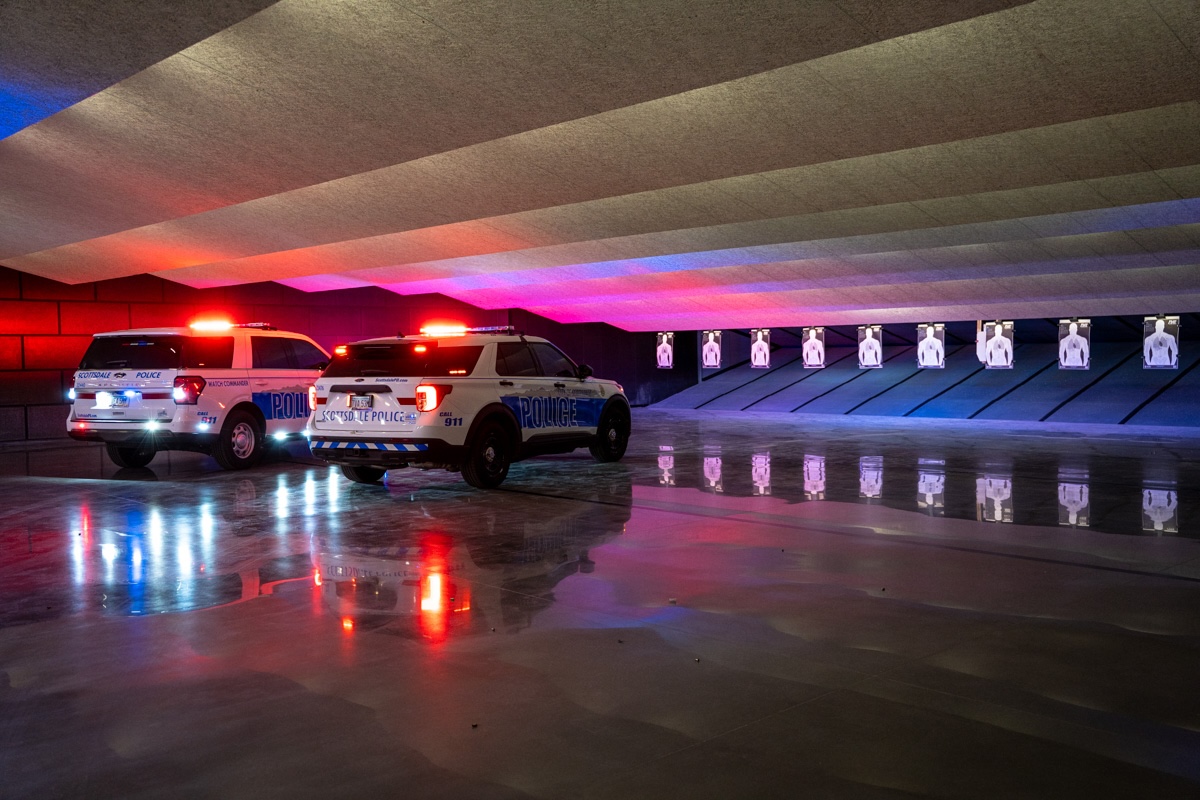
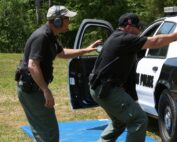
We still need to shoot around our vehicles, whether or not we only have an indoor range. A/T’s purpose-built armored bay doors allow you to bring vehicles inside.
Discussions Before Design
Recently, I talked with Chris Hart from the range construction side of the company about the work they do with law enforcement specifically. He had recently returned from a work trip to my old agency’s indoor range where he had been consulting on ventilation issues.
He has been involved in several large police range projects in the western U.S., some of which I have shot on. Such as the Scottsdale, AZ police department’s new facility.
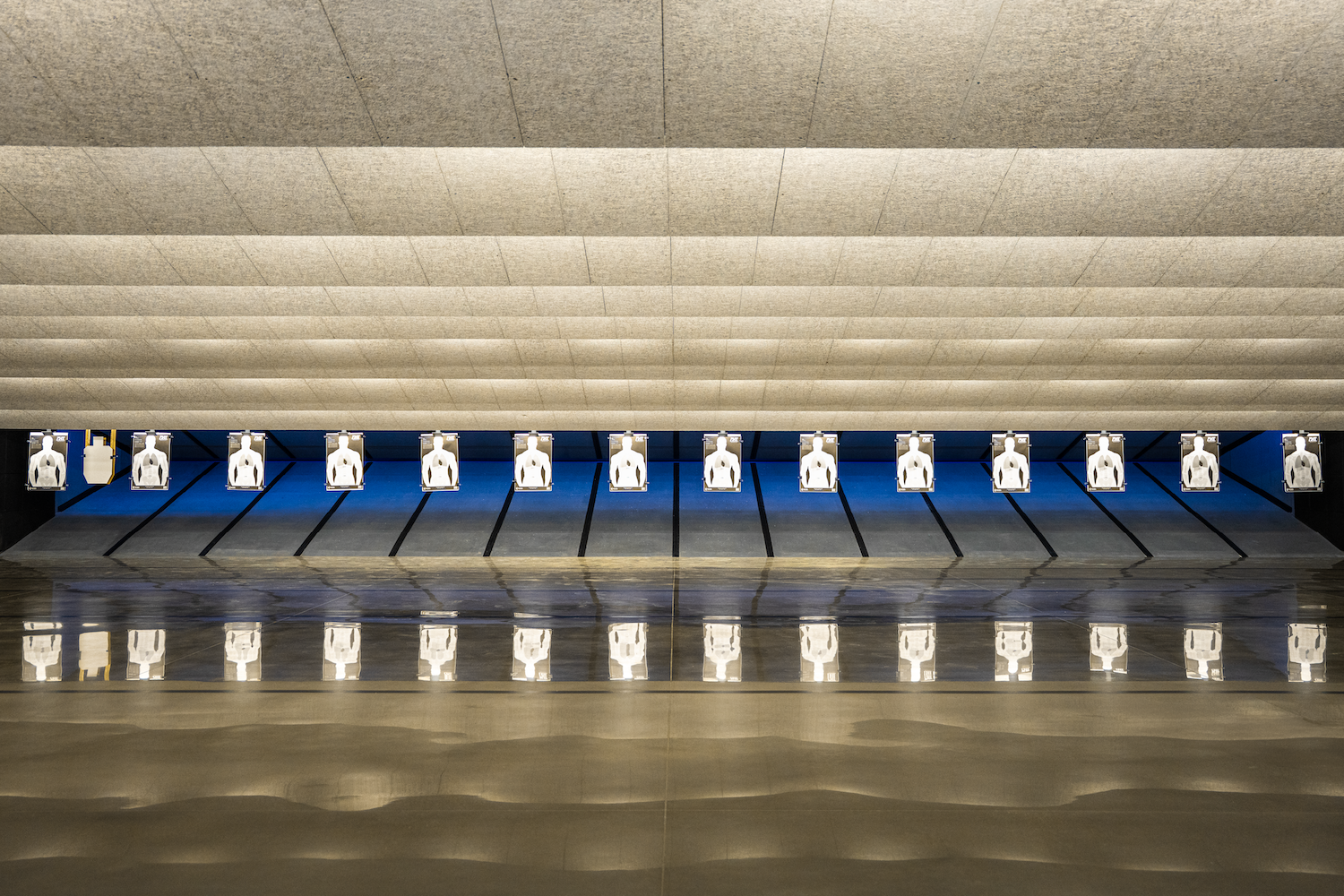
I had a chance to shoot on Scottsdale’s new A/T built range earlier this year. What a great facility.
Chris walked me through the process for an agency building a new shooting range.
The first part is the consultation with the organization. Designing and building a new range is a once-every-20-30-years-or-longer event. Action Target does not charge for the consultation portion or the process. While many consultations do not result in them being contracted to build a range, they believe the process is important enough for the agencies that there is no cost for it.
Interestingly, there seem to be three distinct paths in the build-out of ranges. First, rather obviously, is a rebuild and modernization of an existing facility. I’m most familiar with that as my old office did that in the 00s.
Second is the development of an outdoor range. These are less common because we are aware that communities continue to grow; as they do, they expand into areas that were previously isolated.
Third is building a completely new, full-size indoor range facility. Two that Chris specifically talked about were San Pablo in the San Francisco Bay Area and Scottsdale, AZ. While San Pablo PD is not a very large agency, they built it big enough to work with other agencies in their area. It is a 25-yard-deep range with twenty (20) lanes.
The Scottsdale facility was at least that size. It had the added benefit of an armored door that allowed patrol vehicles to be moved onto and off the range for training.
Chris perceived that northern California agencies were going with newer facilities while southern California departments were refurbishing theirs.
Step Two
Once the type of facility is decided on, Action Target’s staff will design and draw out the new range. This includes in-depth specifications of the ventilation system. (More on the ventilation concern later.) Working with the agency, they identify a local contractor with the ability to build the facility to A/T’s design specifications.
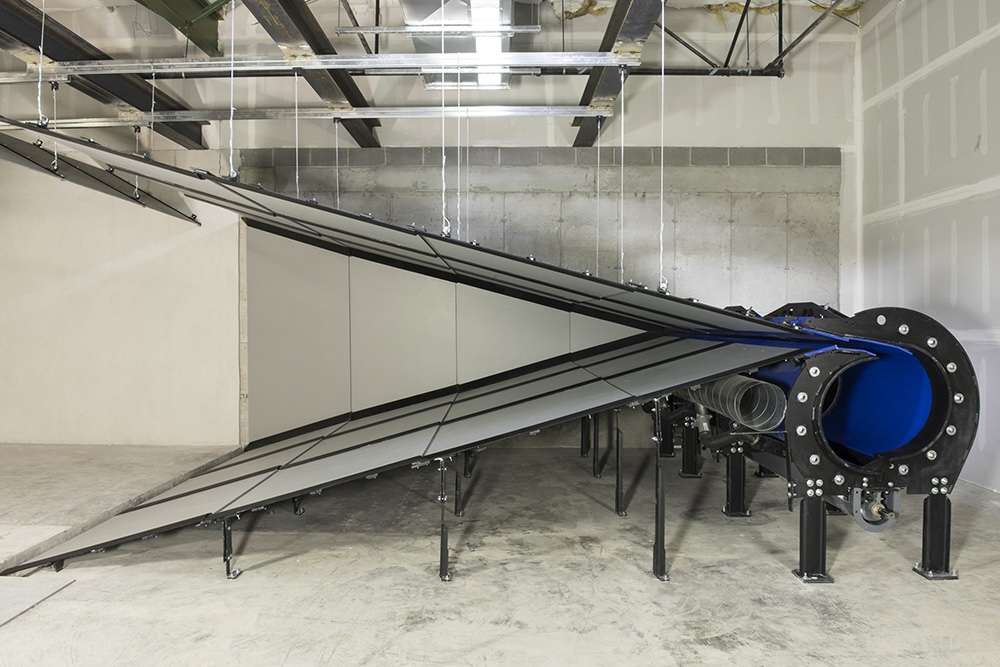
One impact area design that directs the fired projectiles into a containment area for later processing.
While the structure is being built, A/T begins manufacturing the equipment needed for that specific range. This process can take three and a half to four months. Remember, a lot of what is being built will need armor plating to protect it from less-than-intentional shooting.
Next Step
When the building has progressed far enough, A/T begins installing the products specific to the design. This includes the ventilation system, impact area or berm, target tracks, moving target systems, 360-degree turning targets for judgmental shooting, and, if included, the armored door.
After That
A/T comes back to the facility to train the current agency staff on the operation and maintenance of the equipment.
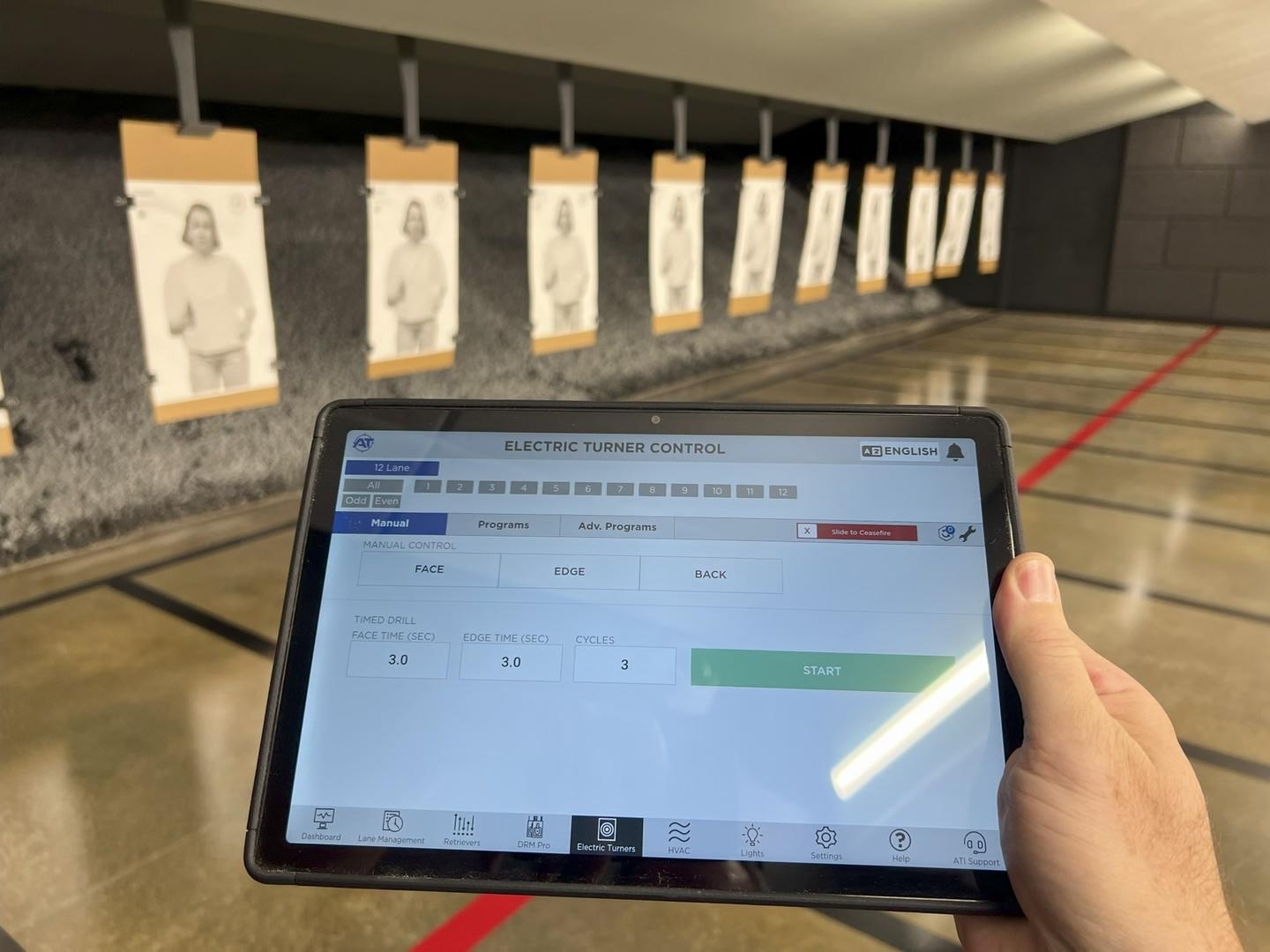
Yes, you’ll need to control all of the options. And, now, you can do it with a tablet.
They plan to continue supporting the agency and the range afterward through service and support agreements. This can include recycling lead and brass from the facility. They will sell replacement filters as part of servicing the HVAC system.
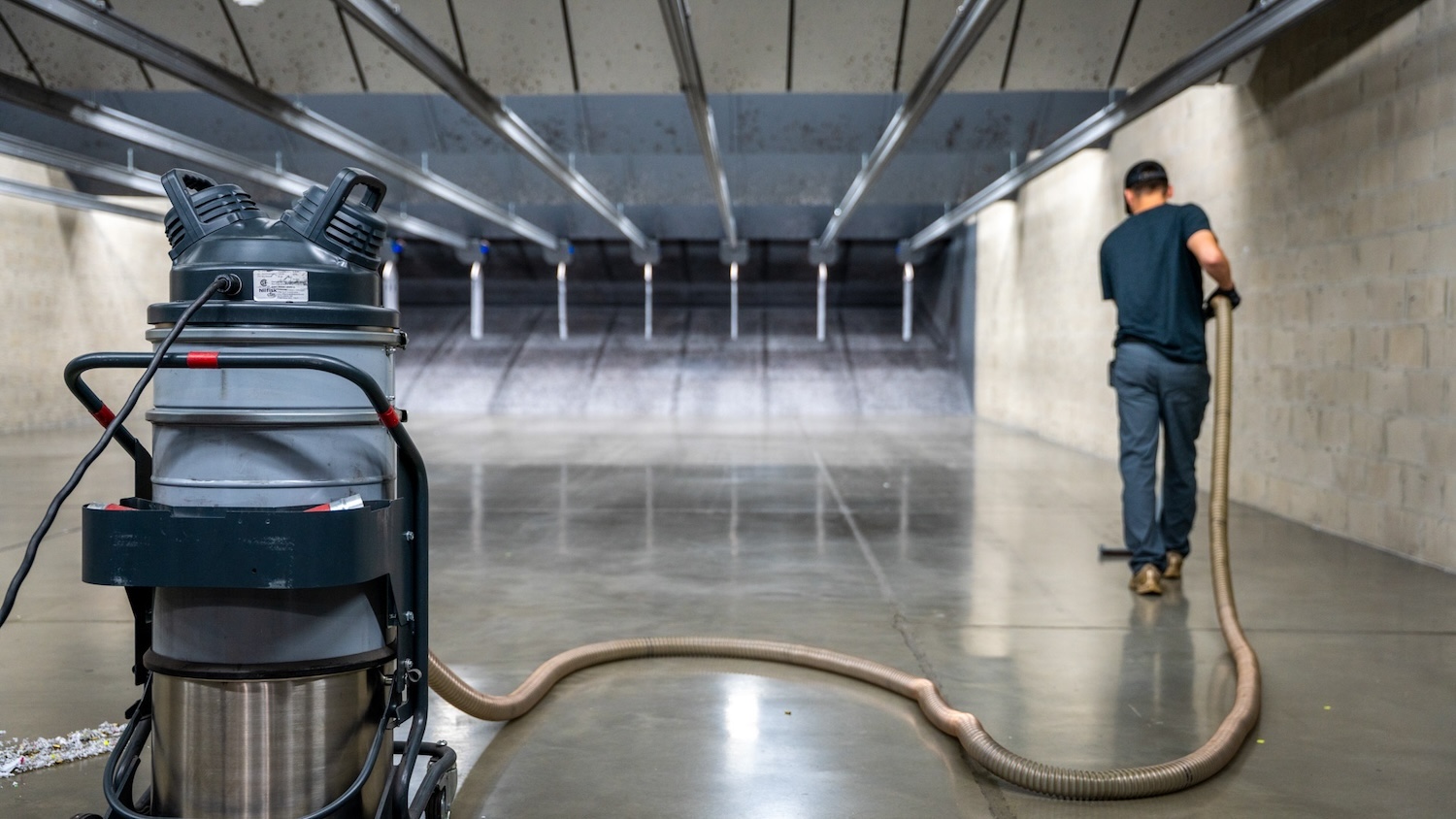
Sweeping puts lead and other particles in the air. A HEPA vacum is needed these days and Action Target takes that into consideration.
Longevity
I mentioned the 20-30 life cycle earlier. Chris said that if it is regularly maintained, the ranges they’ve built will easily last that length of time. If not longer,
Recent Changes & Trends
More facilities are looking at intentional 180-degree shooting, rather than just forward and rearward movement. With that comes dynamic movement and deliberate target transitions. Those can be accommodated with armored walls.
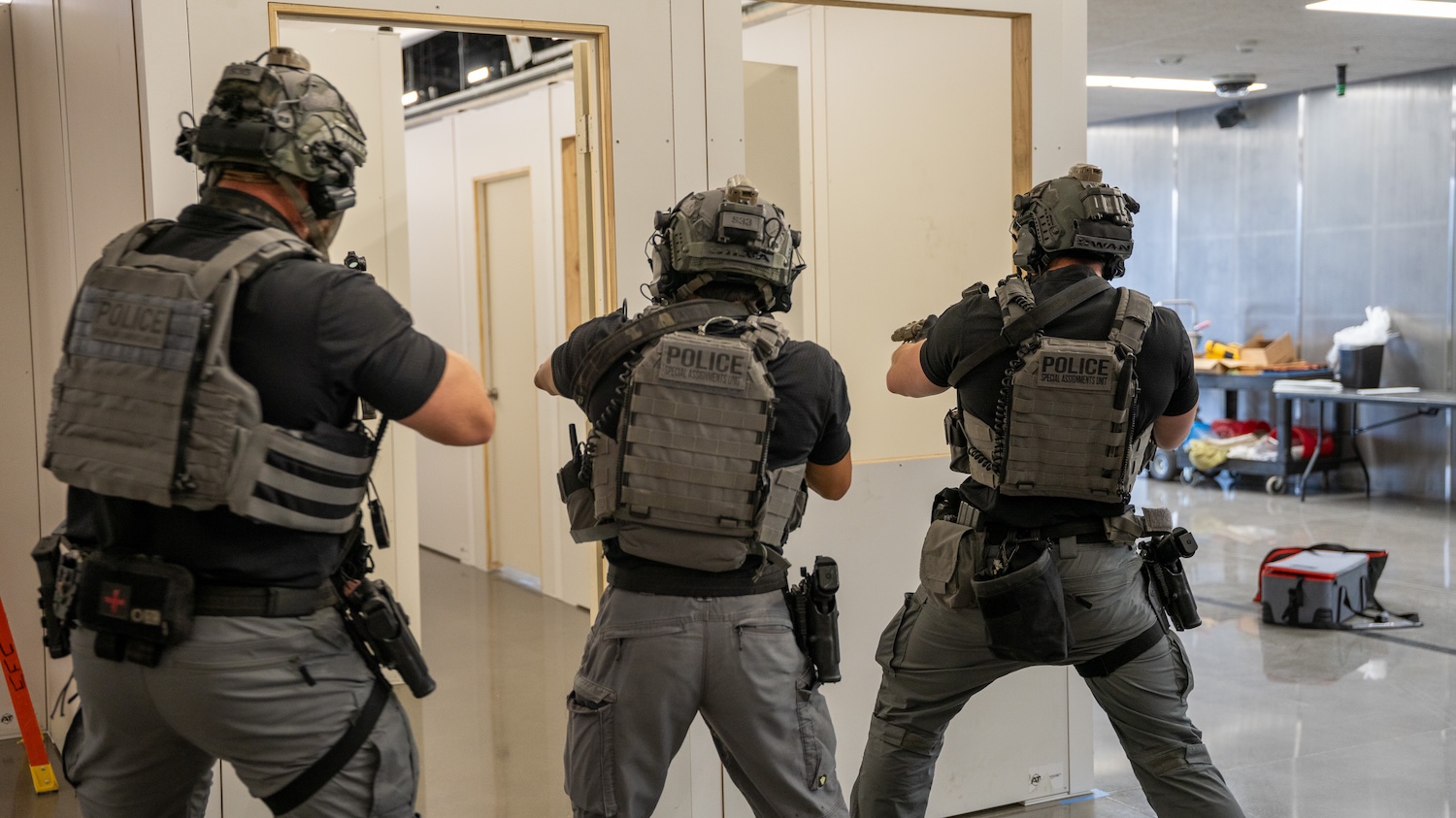
The A/T TacHouse, rated for NLTA rounds, is being used on an agency’s range.
Tac House
A/T has developed a Simunitions FX or similar rated “shoot” house system for use with their ranges. While not for live fire, the walls can be easily assembled and disassembled to allow training of that sort.
Common Mistakes
I asked Chris what commonly encountered design problems were. Two came to his mind. Not enough storage space and insufficient handwashing. At my old place, we had brought in two 40’ shipping containers to help with a building built at least back in the 70s, if not earlier.
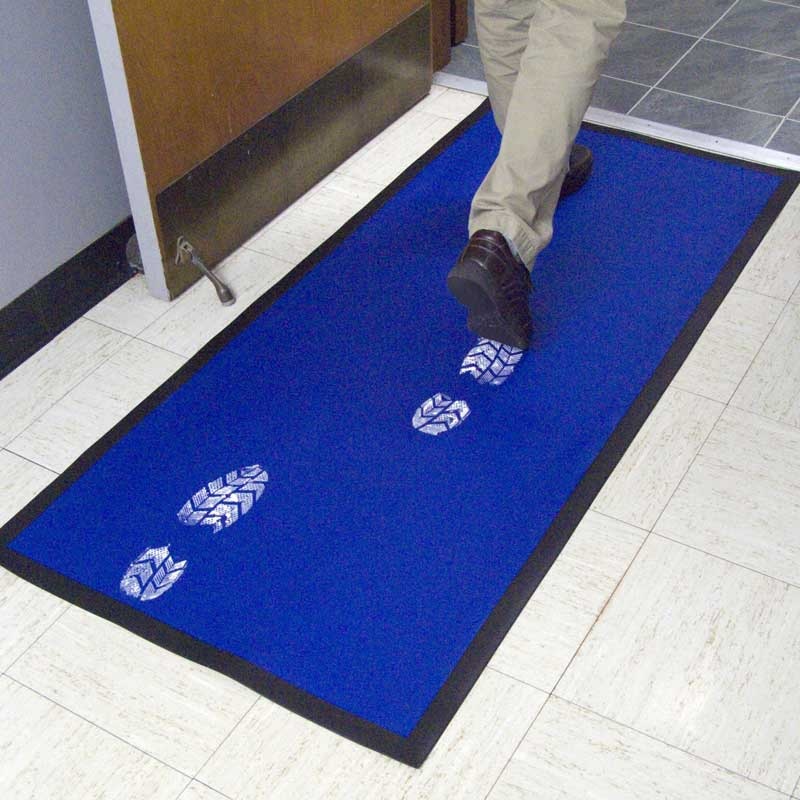
To get lead and other hazardous materials off the soles of your footwear, specialized mats like these are a thing.
Future Issues
This goes to the hand washing concerns above. Because no one can make the ranges “safer,” they need to provide better hygienic abilities. After improved ventilation, they need HEPA vacuums, more handwashing stations, de-lead wipes, and sticky floor mats for the lead residue on shoes.
Chris said Cal-OSHA has reduced the allowable lead exposure from 30 milligrams per deciliter to 10mg/dL. A significant drop in the standard that must be addressed.
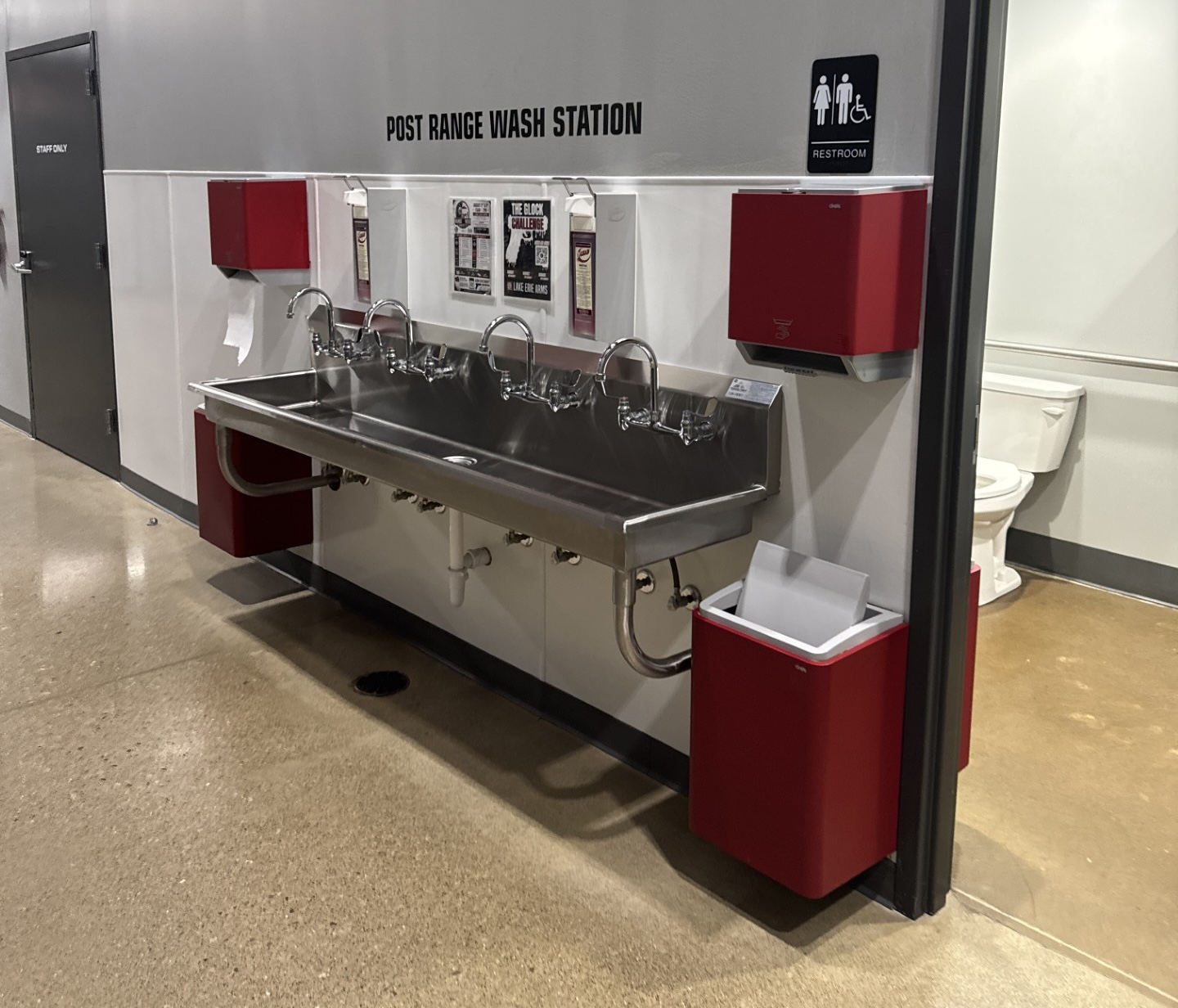
You’ll need a washing station large enough to support your students and staff, too.
During our conversation, Chris told me A/T and its other employees are committed to providing effective training environments for regular officers — so, they can win their gunfights and go home to their families. In my experience with A/T, that is spot on.
Final Thought
Based on my experience, I recommend that your agency look at A/T for the next range build-out.
Future articles will cover their target design and sales side as well as their L/E training camp.
RESOURCE: