In previous articles, I’ve written about the skills the effective firearms instructor needs – a body of knowledge and the ability to convey it. I recently watched a true master demonstrate these concepts when I attended War Hogg Tactical’s Free LE Red Dot Training. This class offers huge value, whether a shooter is new to the red dot or an instructor looking for a master class in instructorship.
FREE TRAINING
In an era where agencies struggle to offer solid initial training and credible in-service training, the cost of this course bears mentioning again – it’s free. The class sponsors – Walther Arms, Aimpoint, and Safariland – subsidize all the costs except the 400 rounds of ammunition students provide and even include the pistols used for most of the day.
INSTRUCTOR BACKGROUND
The instructor, Rick Hogg, brings an impressive blend of the real-world application of firearms with an extensive instructional background. Hogg spent 29 years in the U.S. Army, with most of that time spent in Special Operations. When not deployed overseas, Hogg taught at the Special Forces Advanced Urban Combat Course (SFAUC).
VENUE
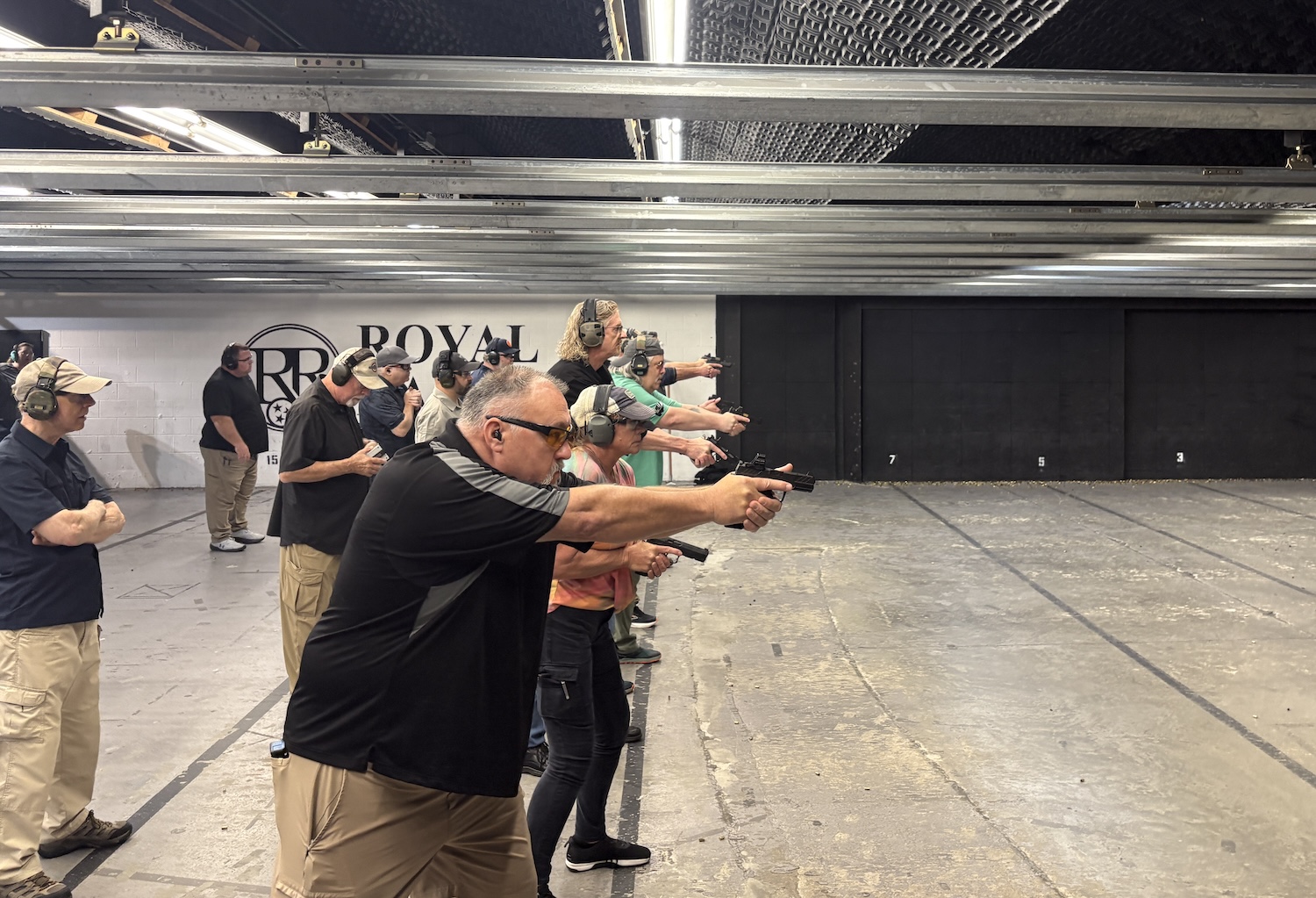
This class was taught at the Tuscaloosa County, AL Sheriff’s Office Training Center. This location offers multiple ranges, structures, and towers, so there is very little that can’t be offered. Most notably, for a class taught in August in Alabama, the Center offers a 12-lane covered range with industrial-grade fans to make the heat a non-issue.
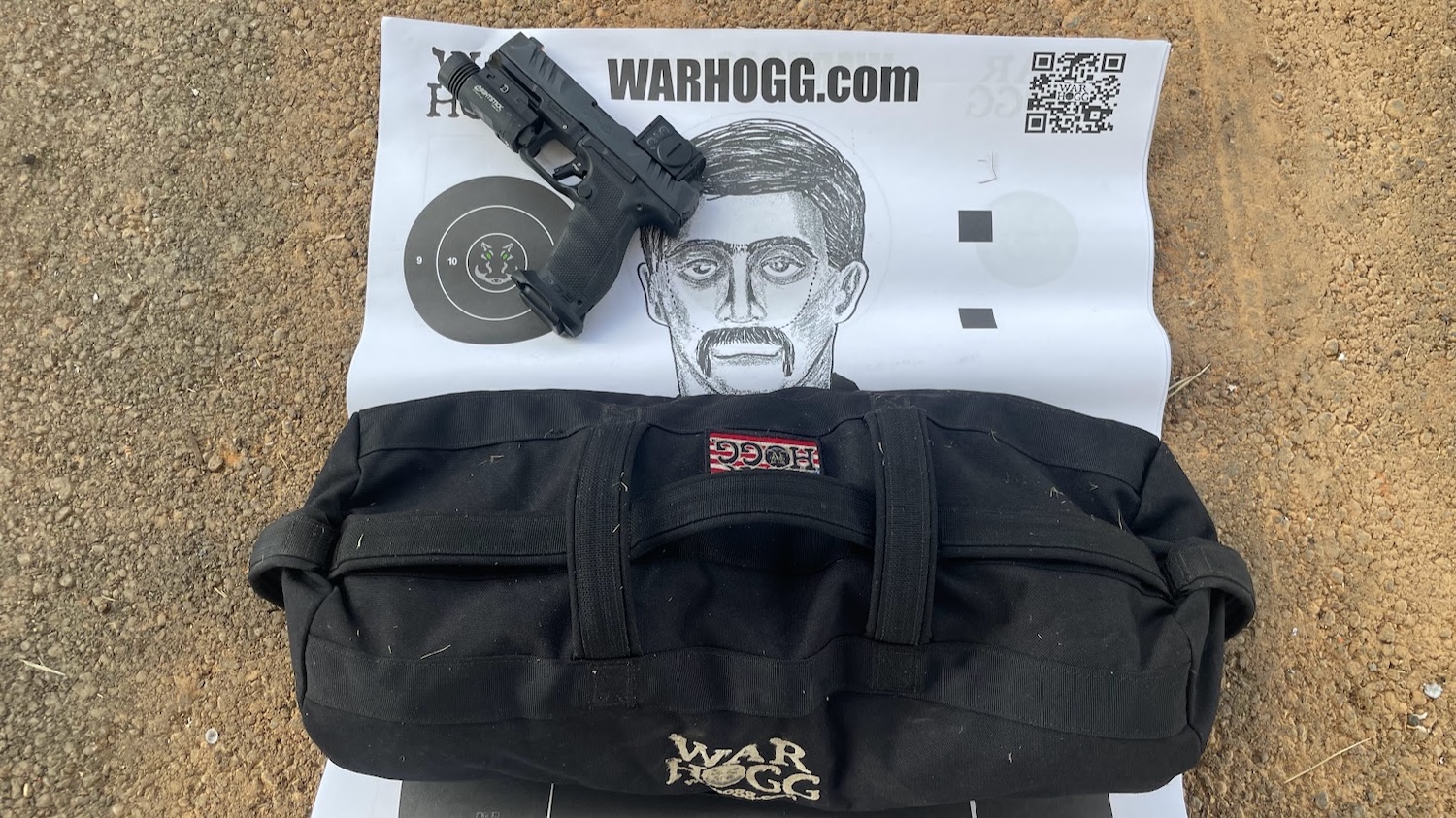
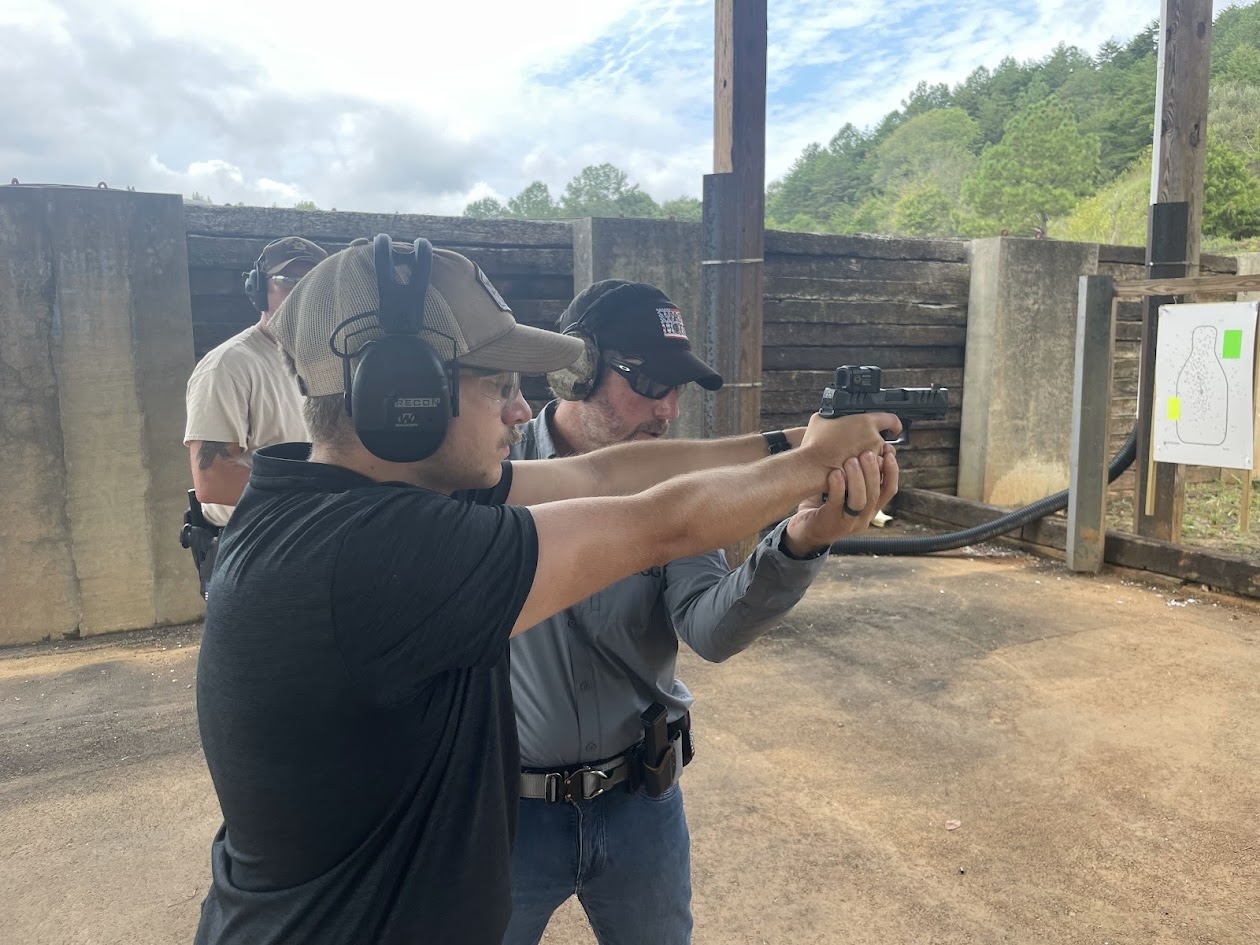
A Walther PDP with Aimpoint Acro was provided for the use of every student.
IMPORTANT QUESTIONS ANSWERED WELL
When developing a class, there are many important questions that need to be answered. Concerns such as the background/skill level of the attendees, how much time and ammunition is available, which topics should be included, (arguably more important) which topics should be excluded, the most effective means of instruction, and the depth of instruction are some of the key considerations.
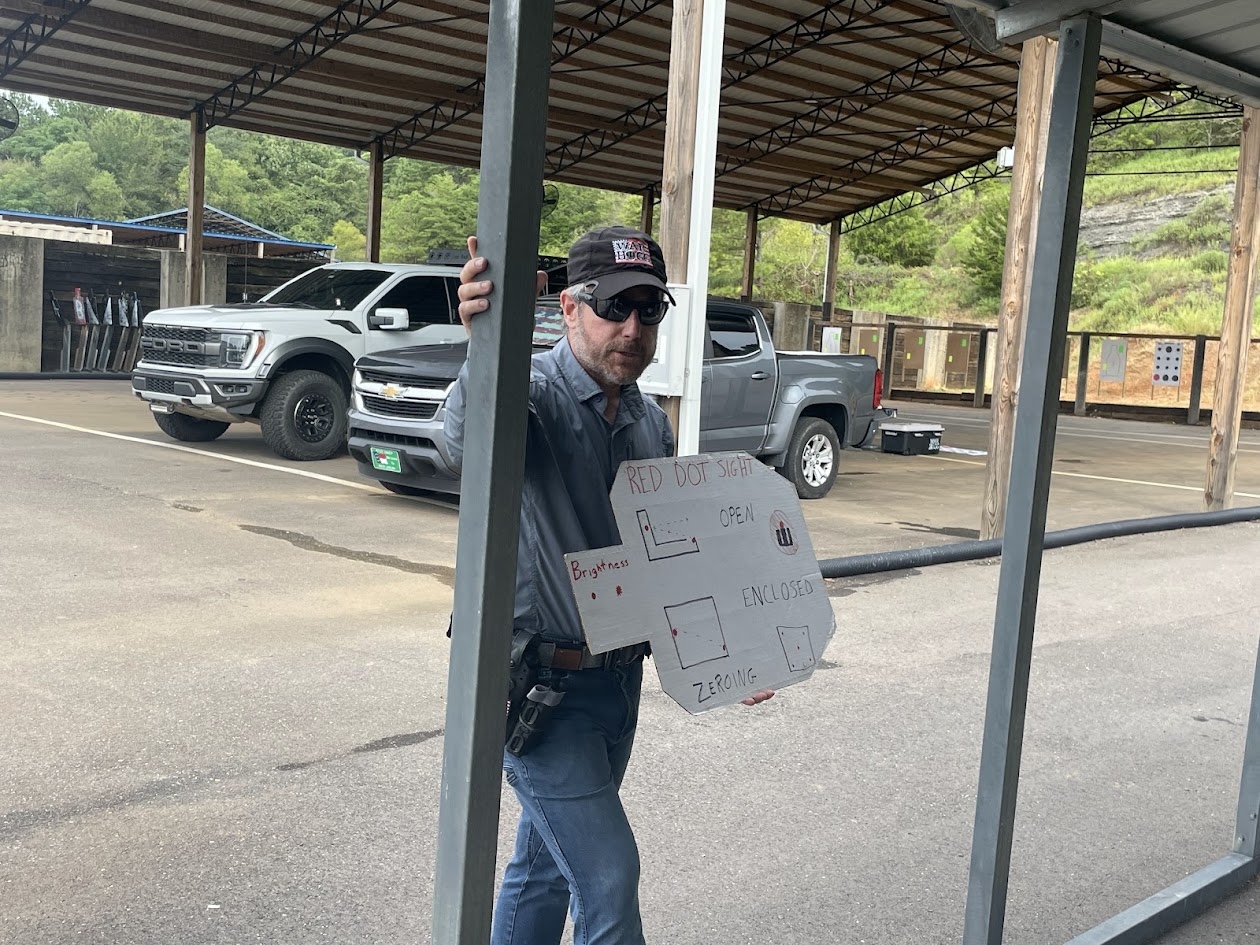
Visual aids don’t have to be complicated.
For this class, there were only eight hours and four hundred rounds available. The attendees had a wide range of experience – from those who had no time with a red dot to those who had been carrying dots for years. Besides their individual experience with the red dot, the students had a wide range of mastery of the fundamentals of shooting. With these constraints, it was obvious that very little “why” would be included and that time should be spent on “what” to do. This meant that important topics such as proper mounting, maintenance, and relevant physiology would not be covered in this class.
EXECUTING THE ANSWERS
The class never used a formal classroom. Background information on the red dot was limited to the essentials. In a great example of appropriate visual aids, all this information was written on a single cardboard target that didn’t require electricity and couldn’t become unavailable as an unexpected update had to run. As soon as this minimum effective dose of information was delivered and we completed a concise safety brief, we moved to the range, where we stayed for the rest of the day.
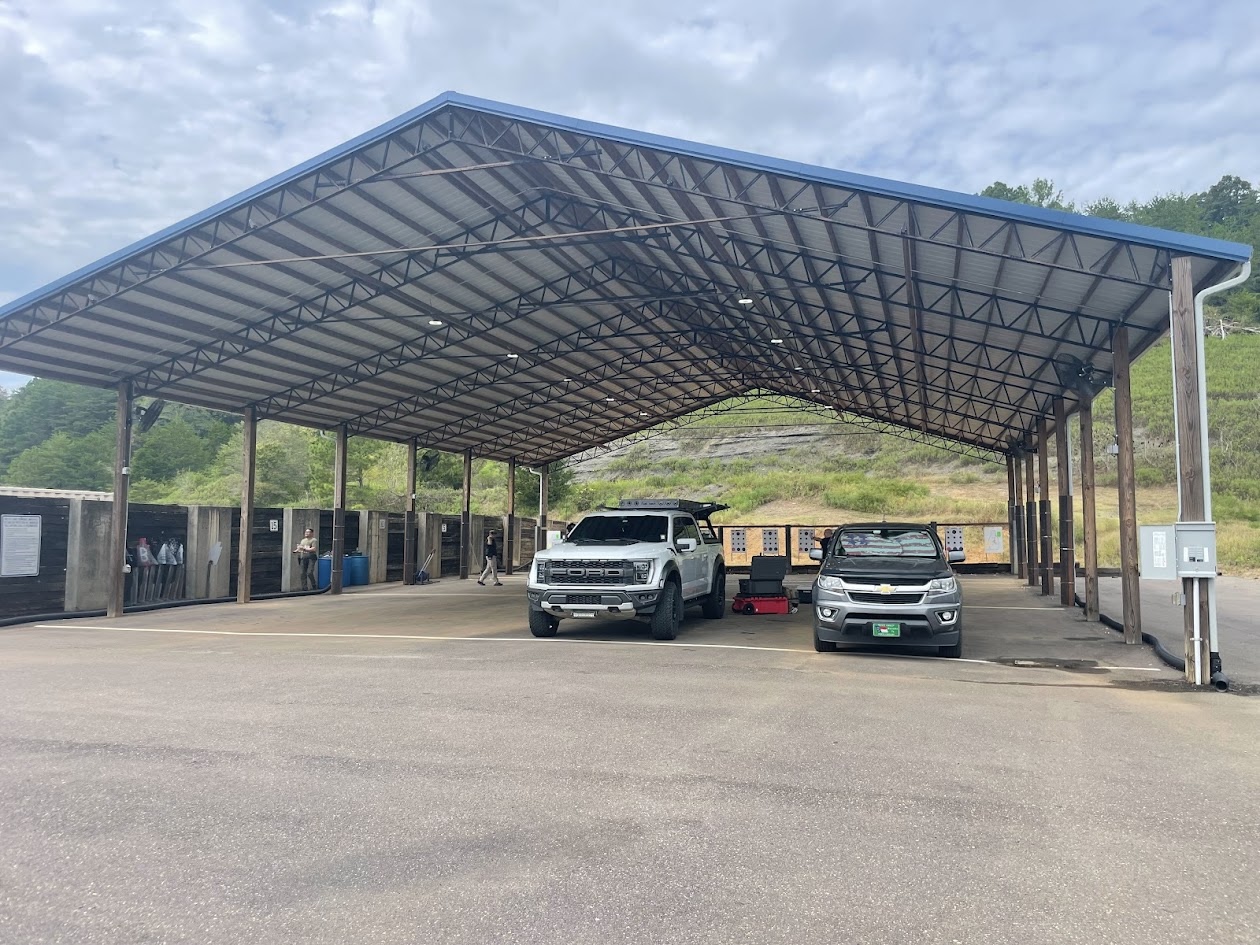
A covered range makes all the difference in August.
To better understand where this class stood, the first exercise was a simple, cold assessment of 12 rounds. Each student shot this assessment as an individual event, meaning we collected and assessed information from each shot. As a recurring theme, we recorded that information in “The Firearms Training Notebook,” which we were provided so we would have a path for continuous improvement.
What followed was an excellent example of the crawl-walk-run building-block method of instruction. Initially, drills were run from the “merge” position of the draw stroke before eventually working from the holster. By not emphasizing holster work from the start, there was ample time and repetition to build a proper firing grip and acquire the dot.
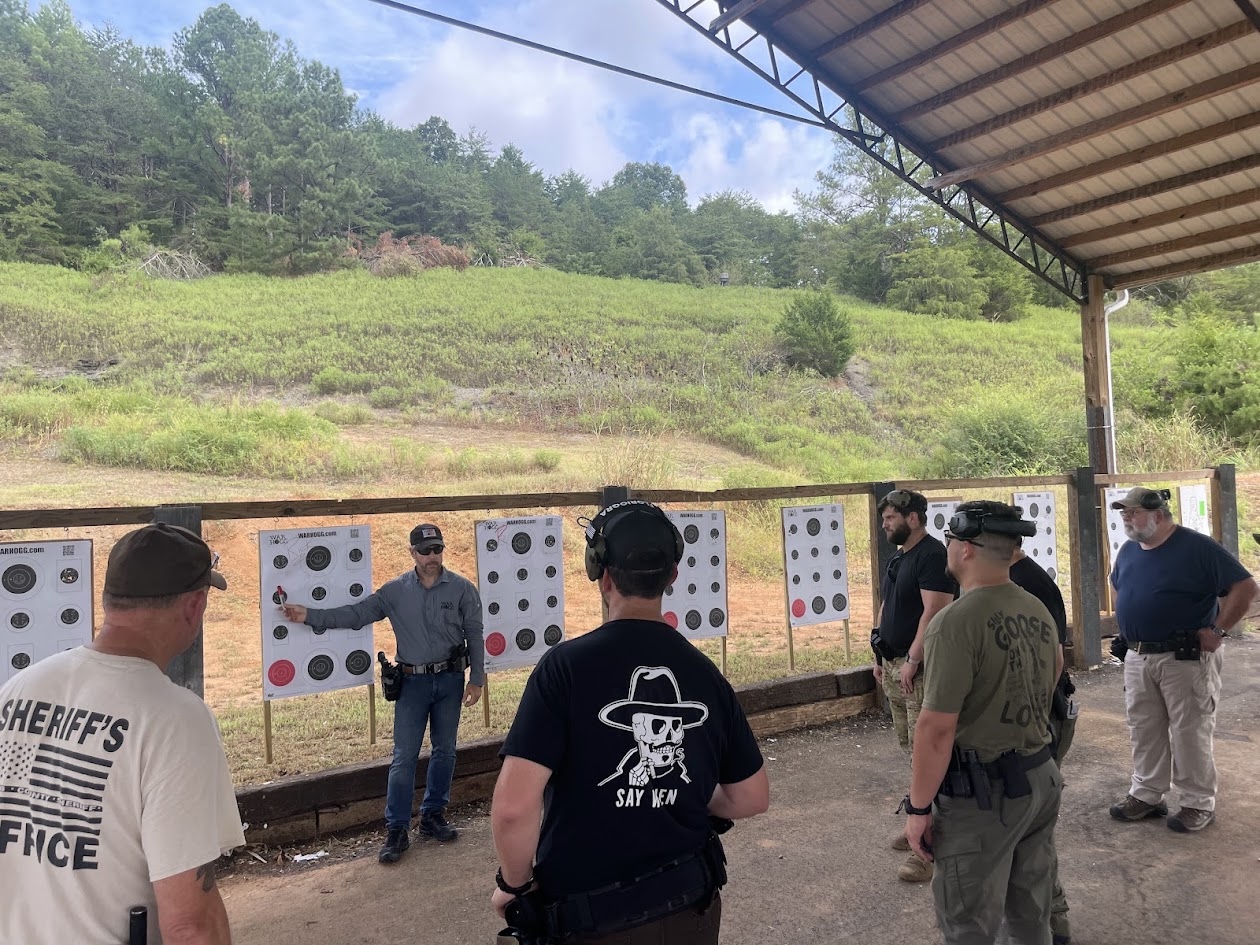
Good instructors explain first.
ADULT LEARNING
Besides the drills themselves, information was delivered using well-established adult-learning methods. First, Hogg discussed the drill and emphasized key points. The discussion covered the most important aspects without delving too deeply into less significant details. Next, Hogg demonstrated the drill, shooting it at an achievable pace. If weapon manipulations were involved, there was a period of deliberate dry practice before moving to live fire. (Dry practice was particularly useful in mitigating the ammunition limitations) During live fire, we shot the drill multiple times and were told to focus on how our inputs affected the hits on the target. For more important drills, the line would pause, and we did individually timed runs that were recorded.
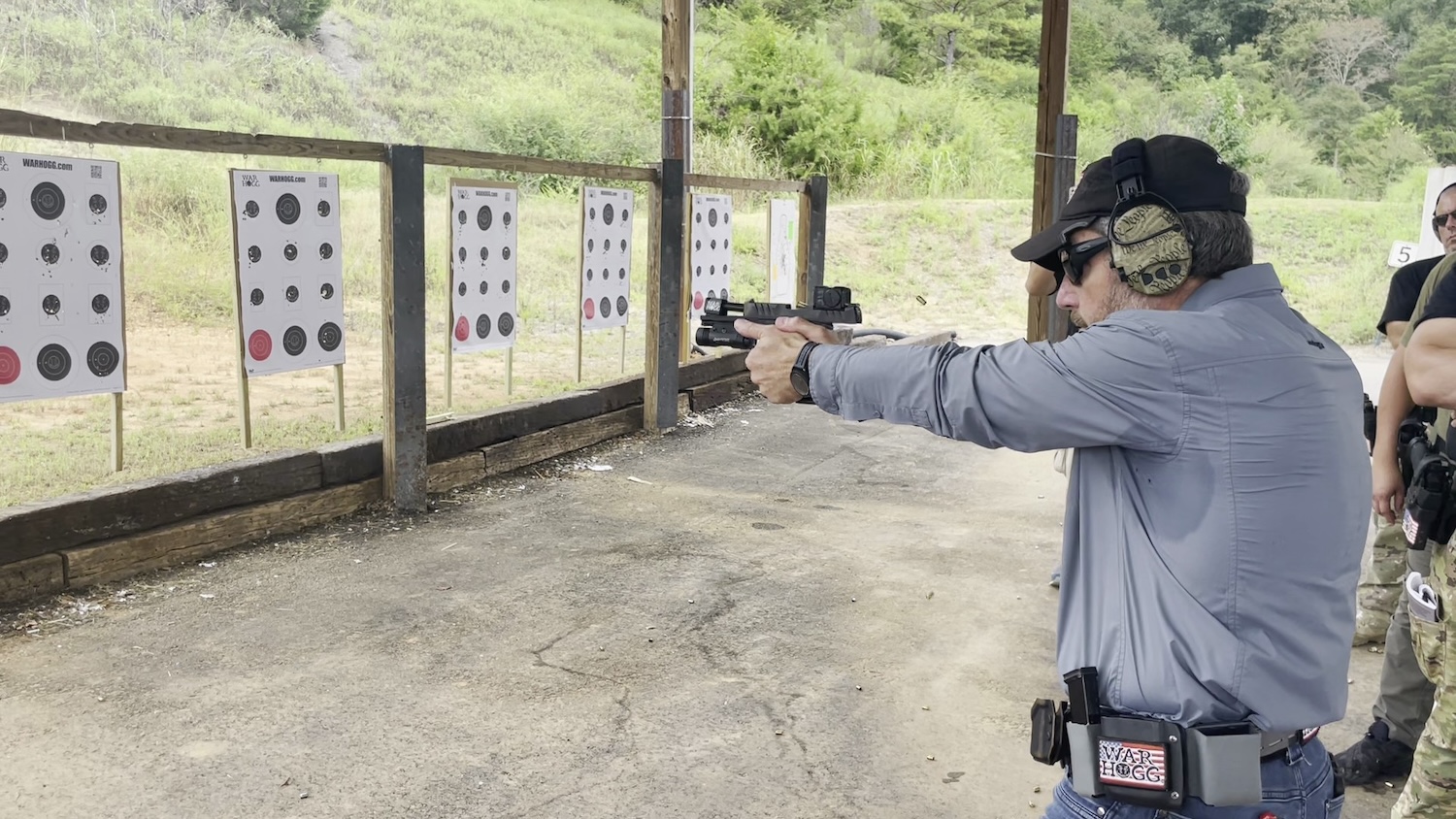
Then demonstrates.
While not expressed explicitly, Hogg used other instructional methodologies that demonstrated a firm understanding of how people learn. The way holster work was added later in the day reflects a concept known as “reverse chaining.” In a nutshell, working a process from the desired end state instead of its “beginning” can expedite learning. As the day progressed, we also began to interleave, or mix, various skills into one drill.
Combining multiple skills into one drill, once a basic mastery exists, is a far more efficient way to improve performance.
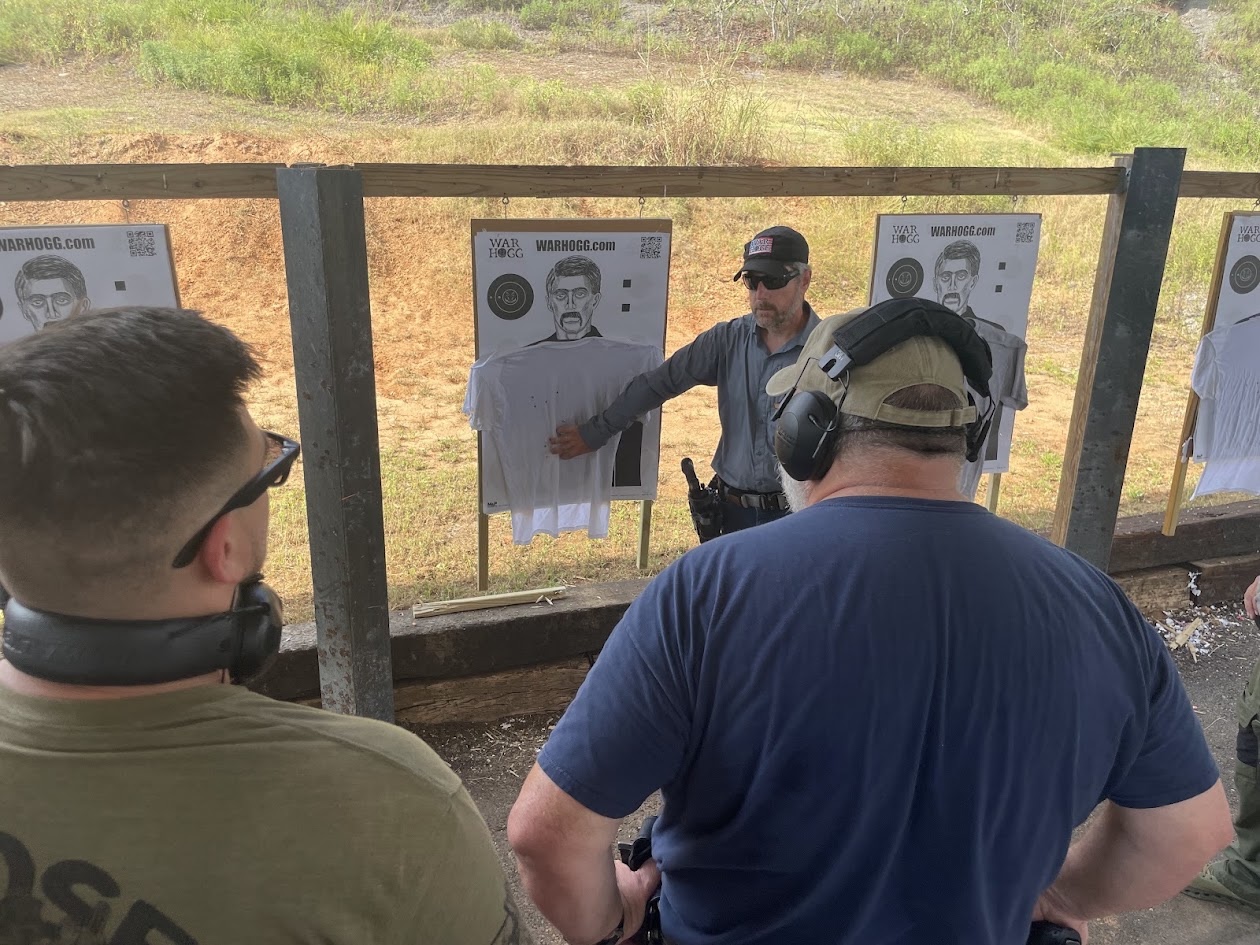
Other topics such as tactical anatomy were used as final exercises.
A consideration many programs miss is how a student can keep improving. This topic was not skipped; it was handled in detail. Students were given a training log and required to record their performance that day of class. Students then left with a collection of low round count drills with the greatest return and the clear directive that improvement and mastery would require an ongoing dedication.
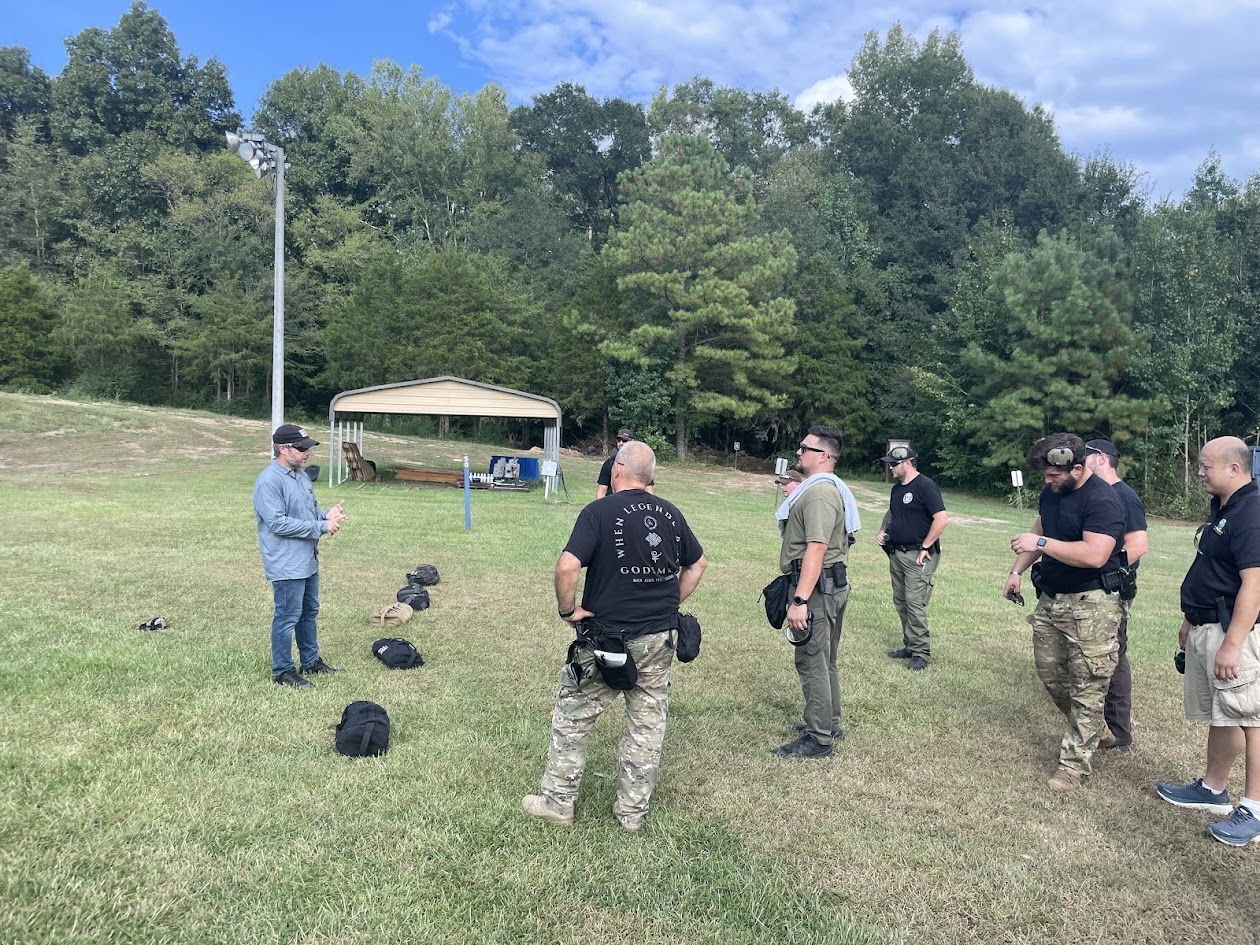
Hogg explains the culminating exercise – shooting under physical duress.
SUMMARY
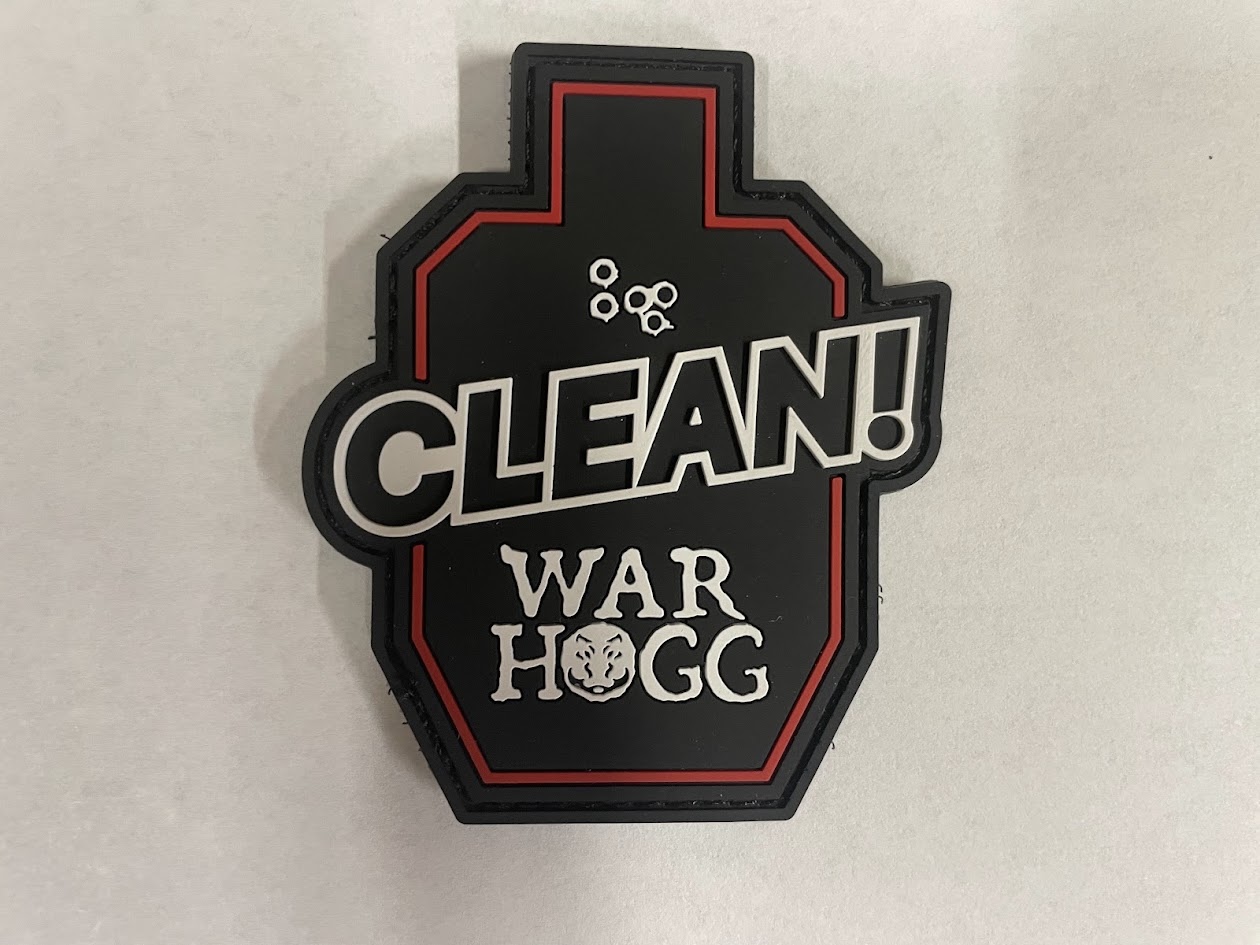
Students who hit all fifteen shots on the final drill earned this patch.
We live in a world where many “free” things are not worth owning. This class is a refreshing change from those expectations. If you only have eight hours and one day to train officers to use a red dot, this class is an excellent way to do it. Even if you have been running a dot for some time, this class is an invaluable refresher and a chance to study how a true master instructs the material.
CONTACT:


 (No Ratings Yet)
 Loading...