
 (+5 rating, 5 votes)
 Loading...
suicide-Your paragraph text
This month is National Suicide Prevention Month. Addressing suicide by first responders takes more consideration and research than most articles do.
Data
In 2024, ABC News reported on a study done by First Help. During a seven-year window, 2016-2022, they identified 1287 deaths of law enforcement and correctional officers from suicide.
I tried to compare those numbers with the figures on the National Law Enforcement and Officer Down Memorial pages. However, both sources include all COVID-related deaths for 2020-2022. Regardless, it is safe to say we lose nearly the same number of officers to suicide that we do to on-duty violence and accidents.
Dr. Ellen Kirschman’s data shows “Police officers are twice as likely to kill themselves as to be killed in the line of duty.”
Per Dr. Kathleen Padilla and researcher Jessica Dockstader: About 25% of law enforcement personnel in the sample reported suicidal ideation — higher than general population estimates — and rates did not differ meaningfully between sworn and civilian staff.
Peers can notice baseline changes and listen; supervisors should be trained to recognize healthy versus unhealthy coping over 30, 60, 90 days after critical events.
Ask
If you suspect someone is suicidal – ask them if they are considering it. Ask about any methods they have considered, and what tools they can access and use.
From what I have read, those questions will not cause someone to take the next step. You don’t have to be eloquent; you just need to ask. And to be present for them.
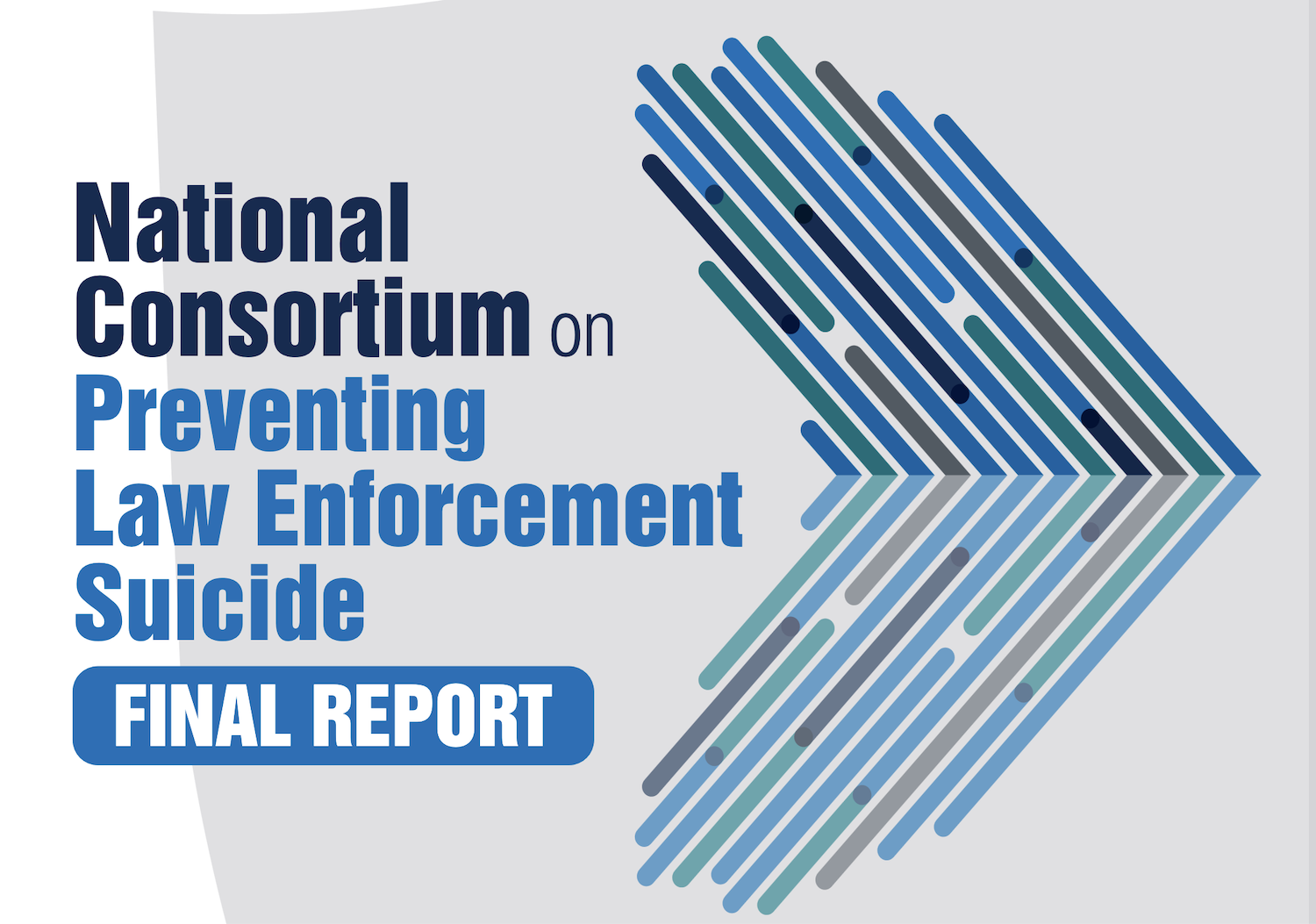
IACP’s report has been out for a bit. The link is in the article.
Means
Yes, there are a tremendous number of ways that one can kill themselves.
Dr. Kirschman specifically recommends separating an officer from their weapons after taking steps to protect yourself physically and emotionally.
For law enforcement, the firearm is often the method of choice. And it is far and away the most effective and irreversible. Firearms, especially our handguns, are inexorably tied to our jobs. If you are suicidal, strongly consider asking a trusted friend (regardless of their occupation), to hold onto and secure your guns. If you have a friend, co-worker, or peer who you fear is suicidal, make the offer to hold onto theirs for the time being.
Then, once the guns are secured, help them get into counseling. Doing things voluntarily mitigates any paper trail that can have lasting impacts.
Many have succeeded at committing suicide in ways that appear accidental. Several examples include solo vehicle “accidents” on straight roads in good weather.
However, if it is a choice between keeping them alive or keeping things “quiet,” err on the side of them being around in the future.
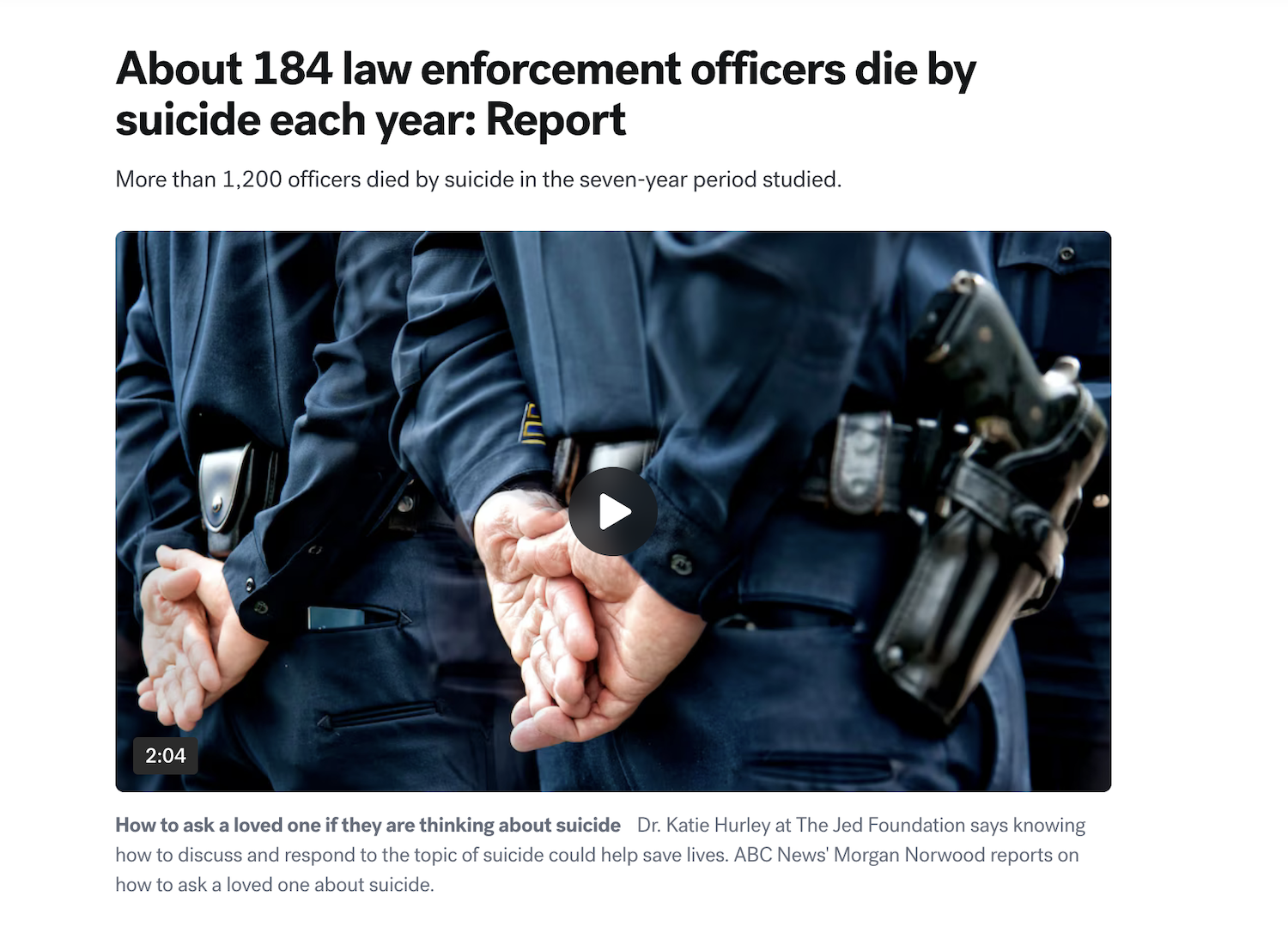
When one of the national broadcast networks covers a subject that impacts, it might well be one of concern. (Screen capture)
Uncomfortable Conversations
Your best efforts may be unsuccessful. Your friend or co-worker may believe things are too far gone. That their world is unsalvageable.
Should that be the case, you may have to take formal action. You might have to place that friend on a mental health hold – if they won’t seek help voluntarily. If you are a supervisor, you earned your stripes because the organization believes you can make high-risk decisions under stress. At that moment, it will be the time to prove them right. It is about doing the right thing, rather than trying to be popular.
That subordinate, that friend must be alive to dislike you.
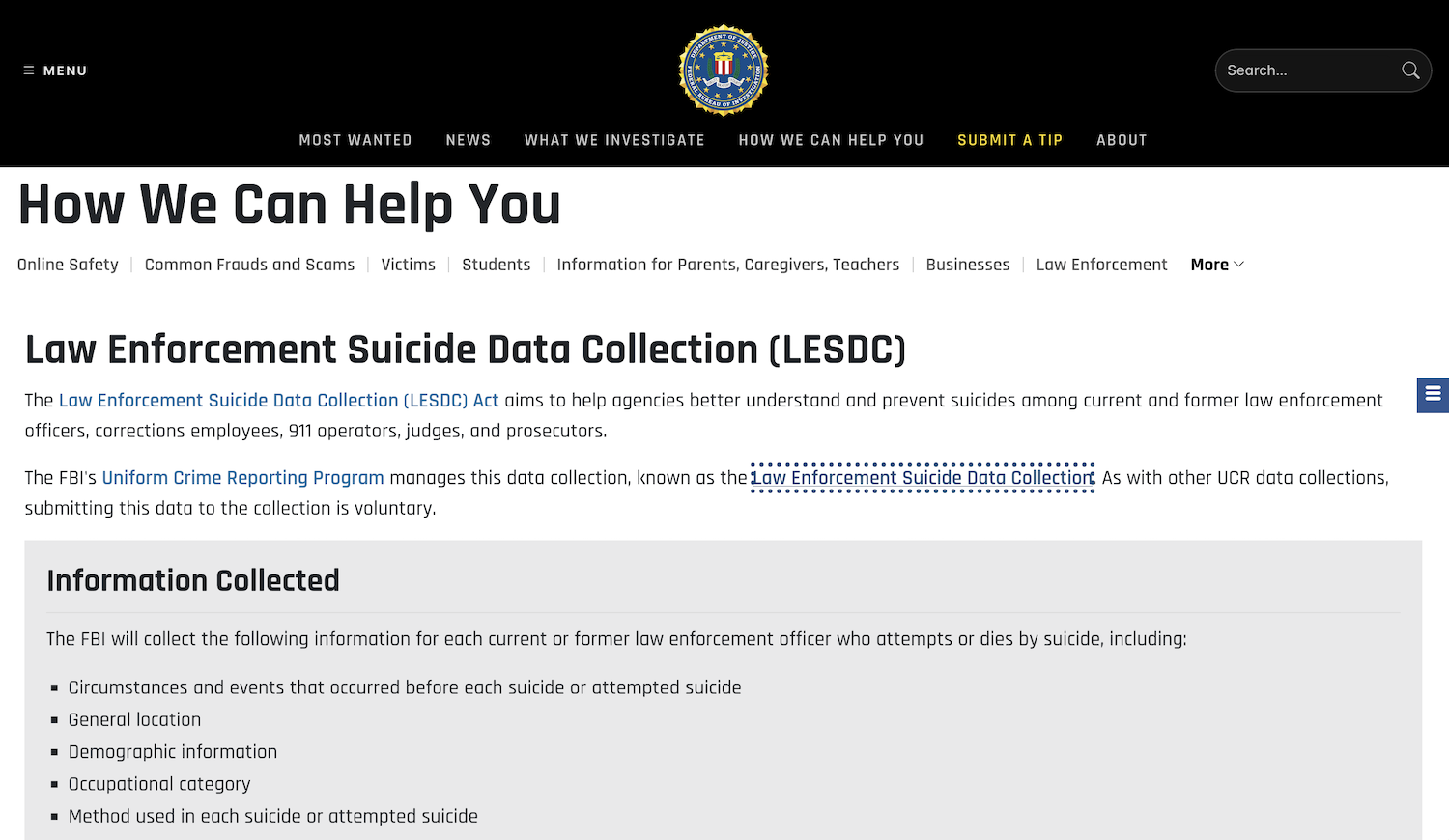
The FBI is now collecting data on police suicides. Alas, it is only as good as what is submitted to them.
Resources
There are any number of resources on suicide and suicide prevention. The National Fraternal Order of Police is but one body. Another is the International Association of Chiefs of Police (IACP). Others include your state associations. Employee assistance or wellness programs should cover them, too.
Their 2023 report includes recommendations on data and research, organizational and systems changes, peer support, support for families before and after, and special considerations forg implementation and future research.
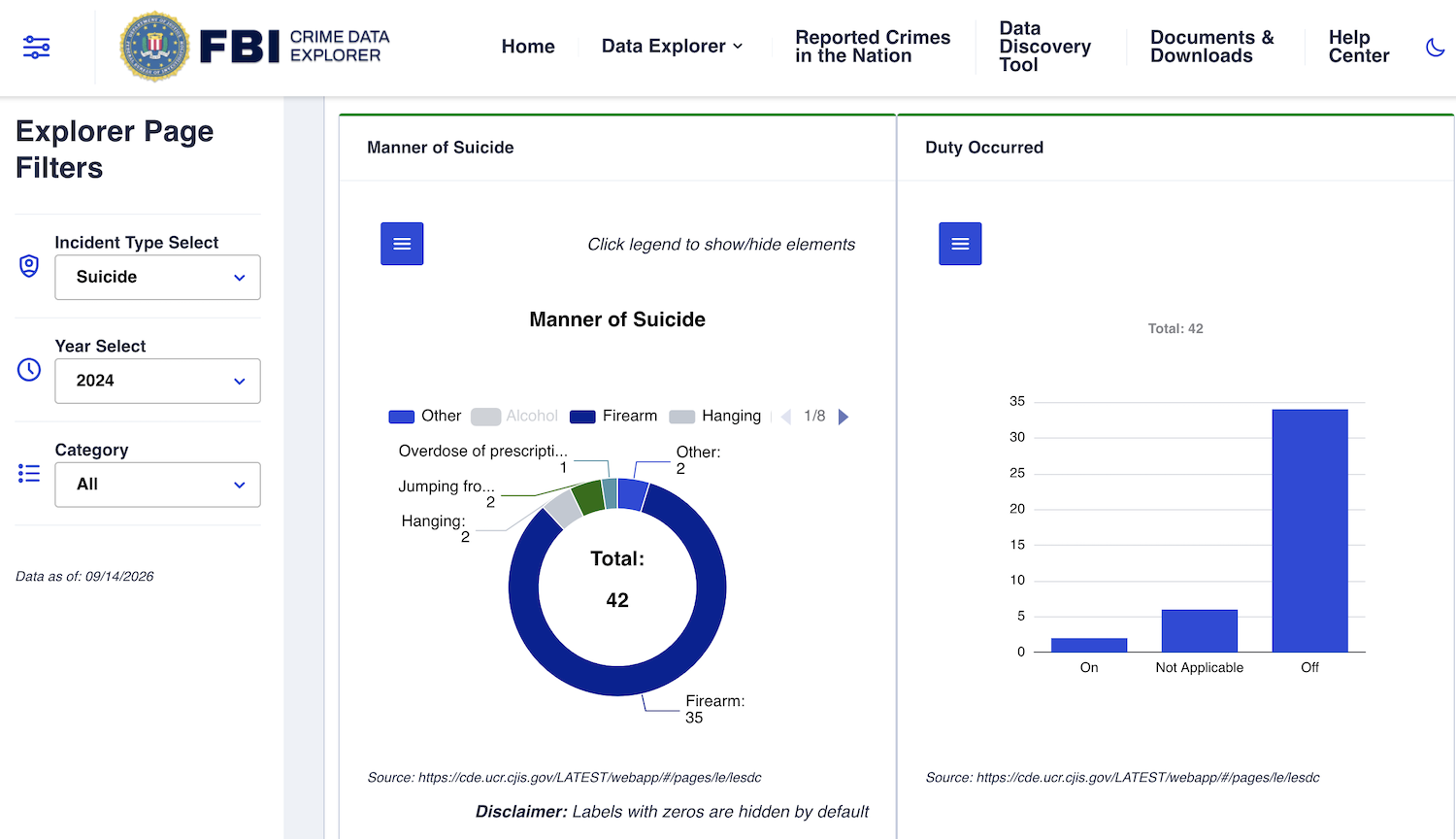
The Bureau is looking at how officers killed themselves and where.
IACP’s website has links to several agency-centric and individually focused resources on this page.
One recommendation I would immediately institute is mandatory, yearly mental wellness (health) visits. These would be with an outside provider who could contractually tell the agency only that “yes, the employee did attend.”
Recently, I introduced research on traumatic brain injuries from small arms gunfire. There appear to be links between those injuries and suicide.
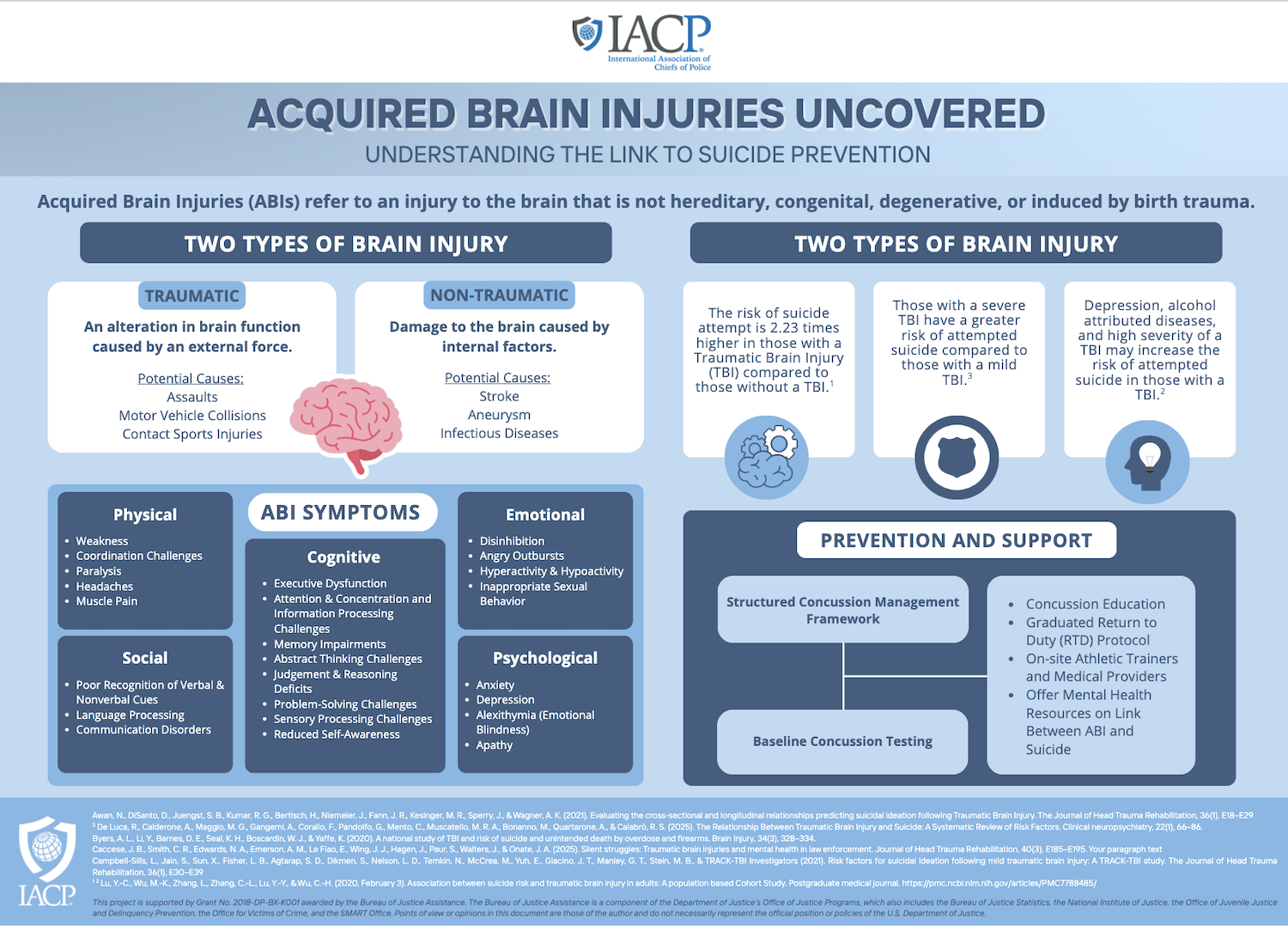
Acquired or Traumatic Brain Injury – regardless of whether it impacts PTS, which affects suicidal ideation.
Working signs exist in 70-80% of completed suicides. However, they are whispered to co-workers rather than screamed.
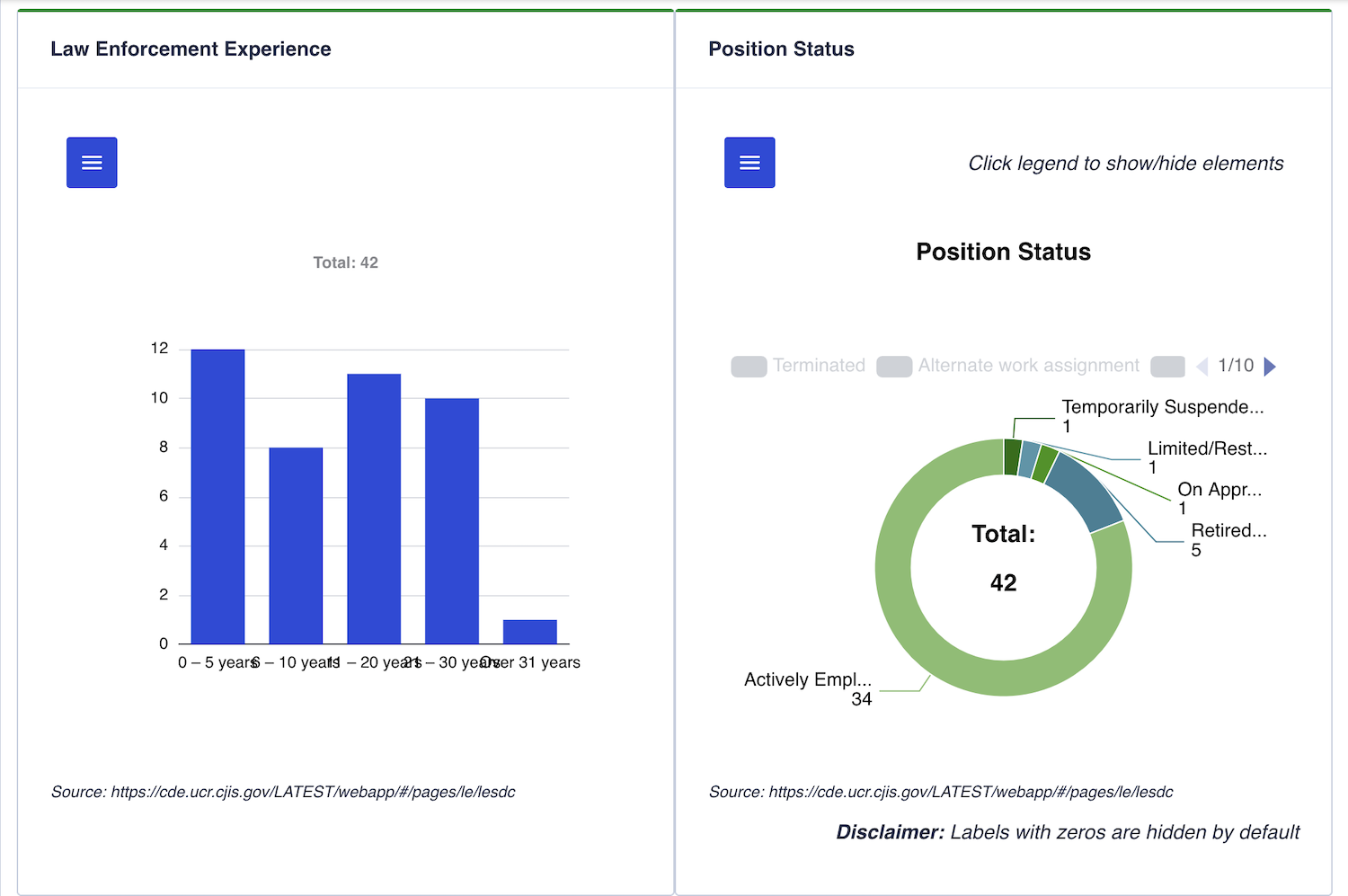
Both the time of day and what was going on in their career at that point matter.
Why?
Because we hide those things too well. Supervisors should be regularly checking in on their people. Then, do not minimize or overlook any of the tells.
Dr. Bower says “… We are literally talking about a temporary, treatable malfunction in the brain’s ability to regulate pain, emotion, and decision-making.
Dr. Bower continued, “The prefrontal cortex becomes underactive … the amygdala becomes hyperactive … cortisol levels are elevated; serotonin levels are completely depleted.” In this hijacked state, a person’s sense of logic is overwhelmed, and despair takes over. Sadly, this can lead people to believe suicide is the best or only option.”
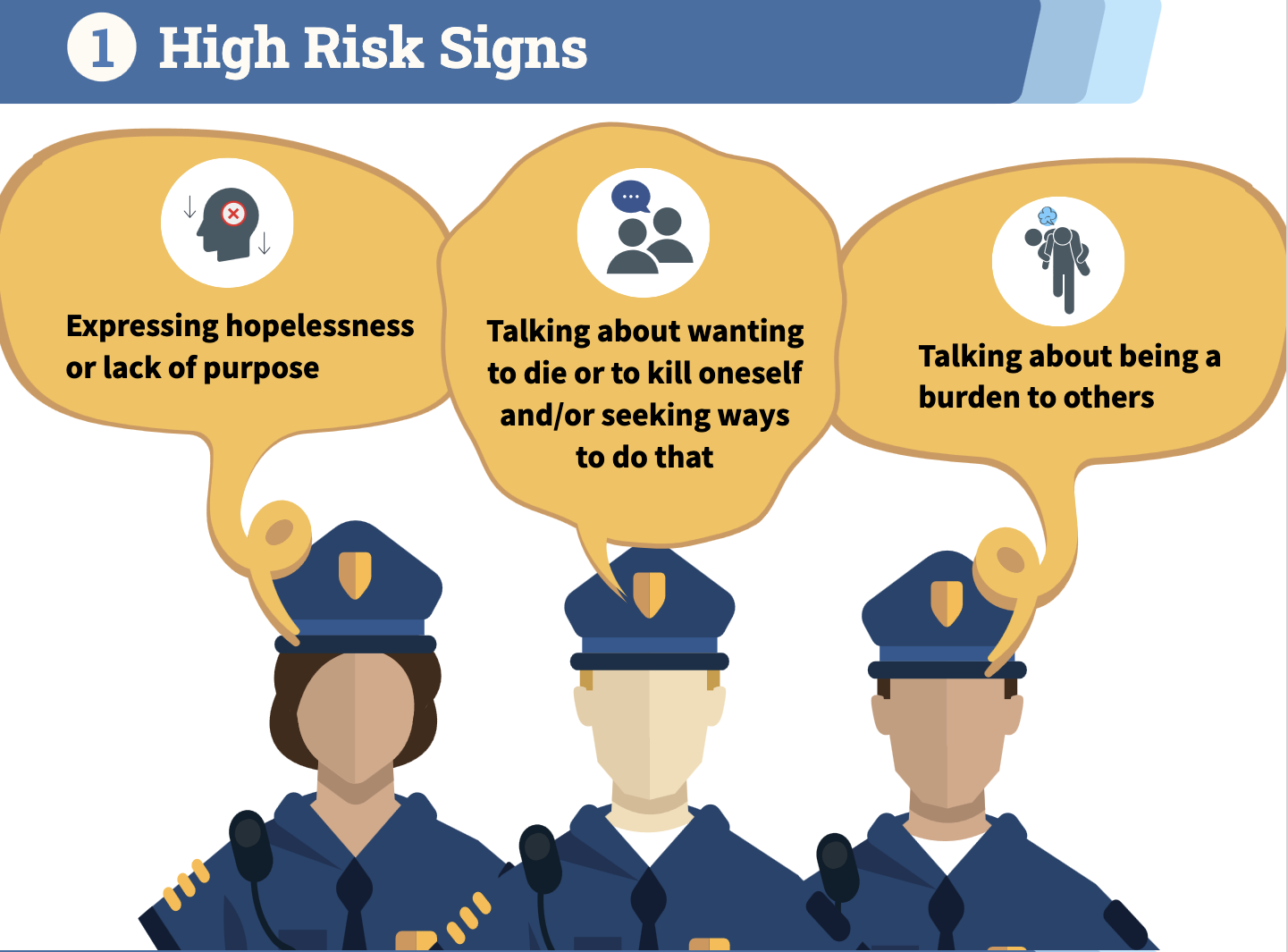
Here are some of the high-risk warning signs.
The National Suicide Awareness for Law Enforcement Officers website has podcasts and other resources. They address the prevention side and the aftermath.
When I returned from my Operation Iraqi Freedom deployment, I sought out counseling from the Veterans Administration. I met with an MFCC intern at a local clinic. Two positive things came from that: First, I could tell my peers I went to counseling and encourage them to do the same. Second, I addressed some survivor guilt issues I had. Unfortunately, the intern wasn’t as well-versed in veteran and first responder concerns as they could have been.
Years later, after a critical incident, I chose to see an exceptionally culturally competent counselor. I also sought out and attended a residential post-trauma program. I still openly discuss both.
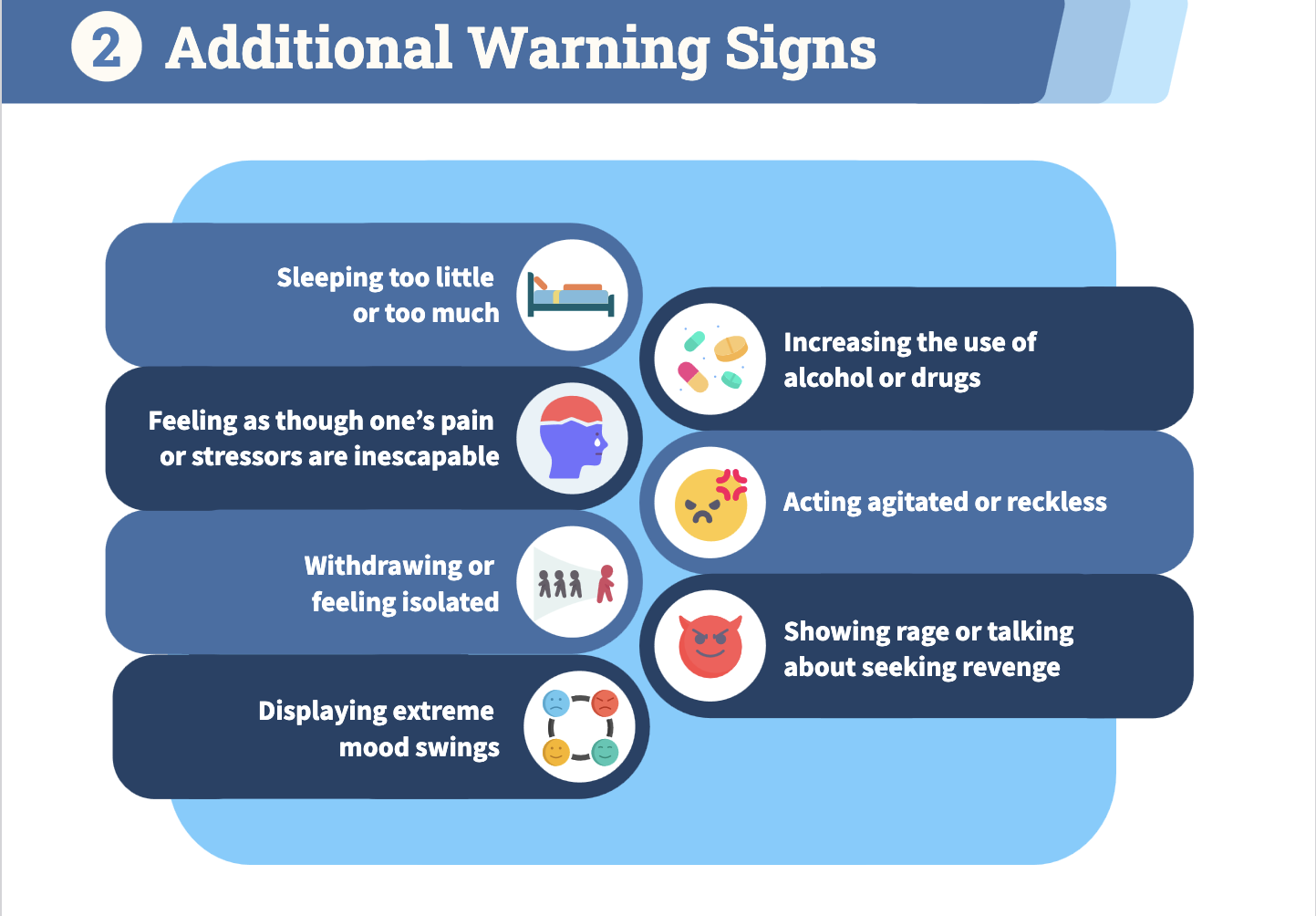
Are there other warning signs? Yes, there are.
Closing
If you are thinking about suicide, please reach out to someone, anyone. You still being here is far, far more important than your job. If you see a peer, a subordinate, or a supervisor having these issues, reach out to them. Keep them here with the rest of us. We have already lost far too many.
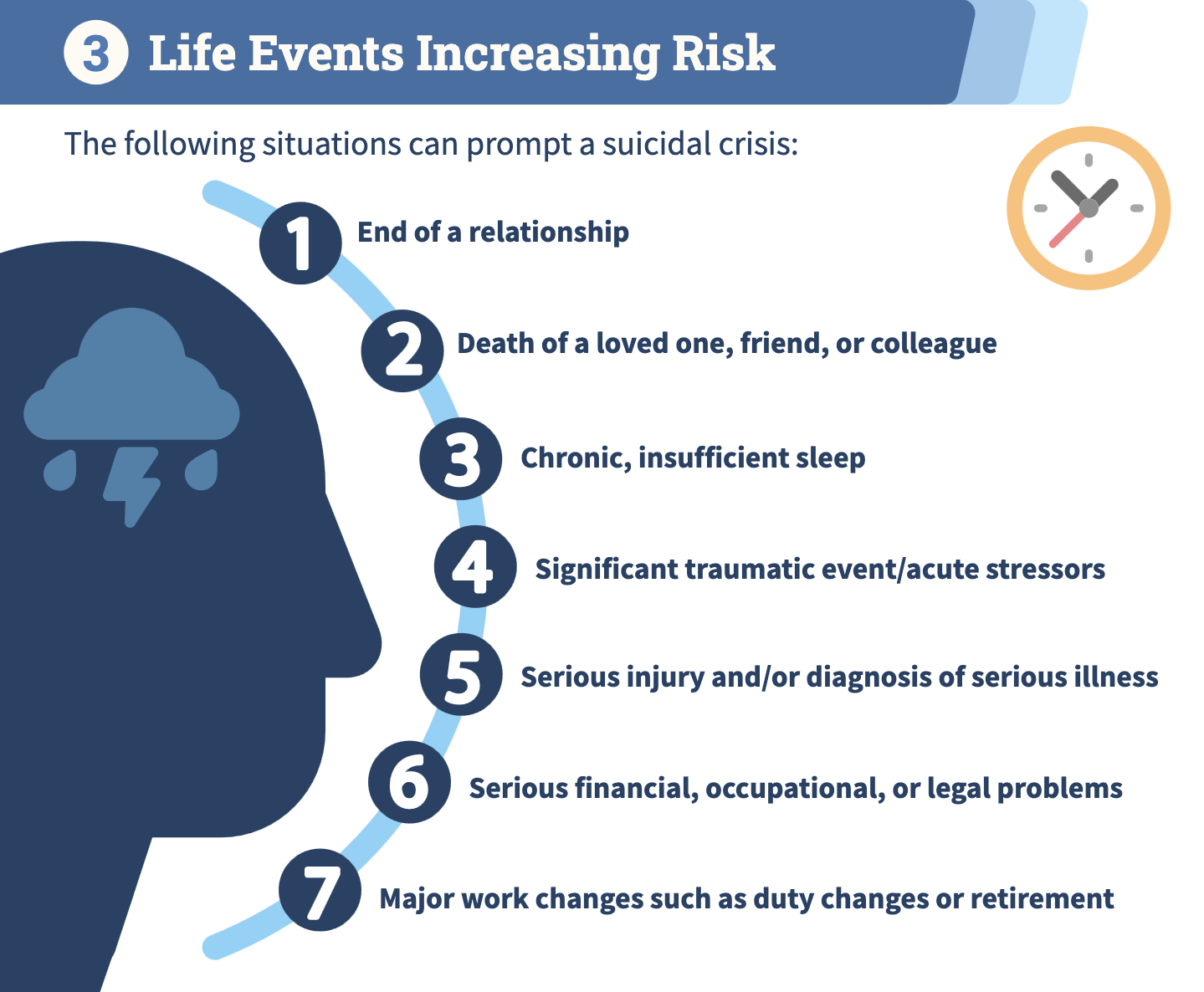
And let’s face it, certain events are more commonly associated with police suicides.