
 (+6 rating, 8 votes)
 Loading...
cycle-early2025-08-18 at 6.11.34 PM
An early 1911 drawing showing one step in its cycle of function (Unknown origin).
Semi-automatic firearms have an eight-step function cycle. Every time the firearm – handgun, shotgun, or rifle – is put in a ready condition, the cycle runs again.
Steps
Those steps are:
Feed, Chamber, Lock, Fire, Unlock, Extract, Eject, and Cock.
Feed occurs when the slide goes forward, moving the top round in the magazine towards the slide. It chambered once that round is fully seated. Then the action locks through bolt lugs or with the barrel hood. Firing occurs after the trigger has been manipulated to the point it releases the striker or hammer, sending it forward to the firing pin, either of which ignites the primer. After that, the action will unlock. As the slide or bolt moves rearward, it should extract the spent case. As the slide or bolt continues moving rearward, it will pull the case rearward until it hits the ejector, which in turn kicks it out of the ejection port.
The cycle can be intentionally interrupted after it has been loaded and the action locked, say, by holstering the pistol or slinging the long gun. Note – any external mechanical safeties should then be in the On position.
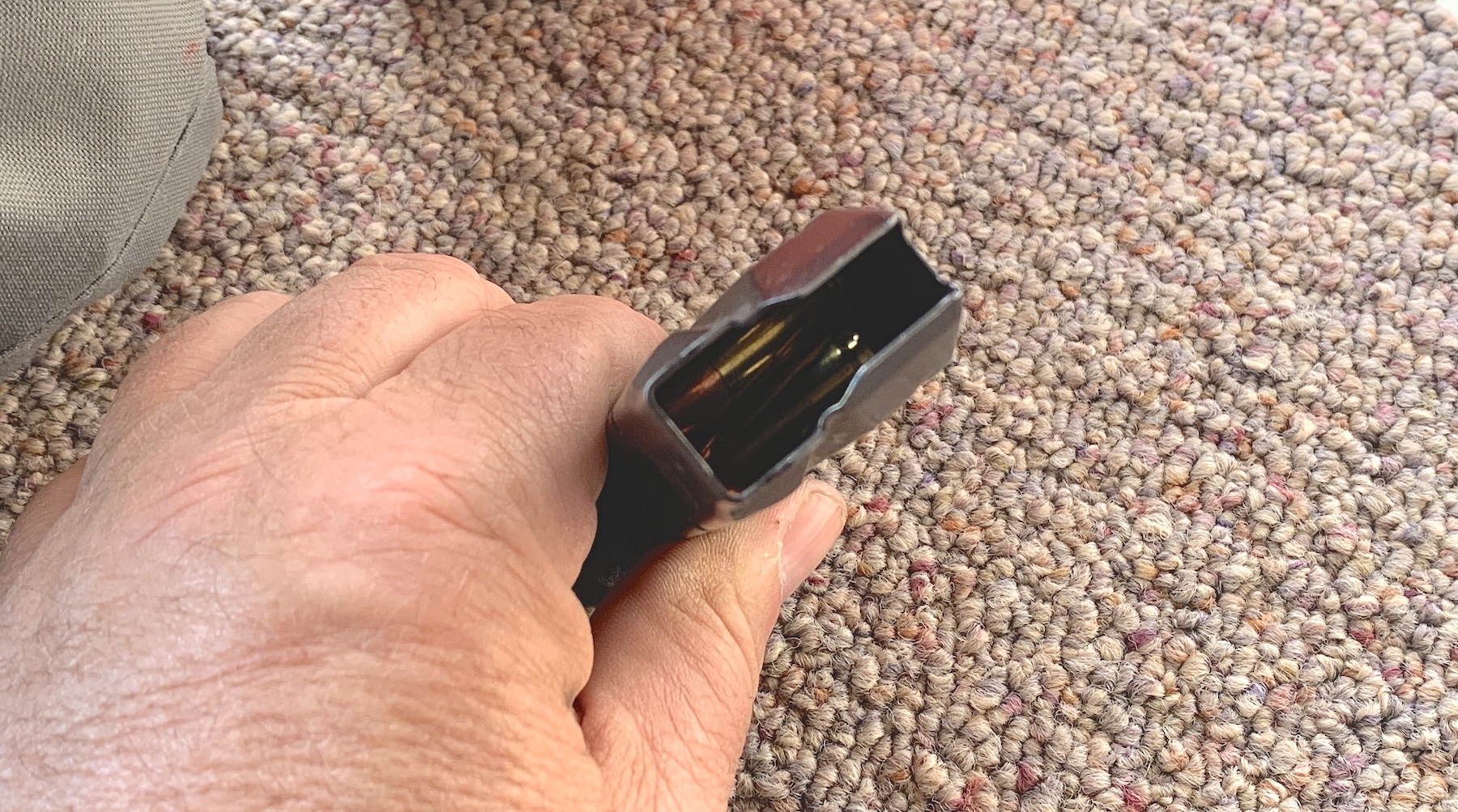
One potential failure to feed – this follower got stuck inside the magazine and would not feed the next round.
Feed:
No round has left the magazine or even made it up the feed ramp. With the magazine, the follower could have gotten stuck lower in the magazine tube, and no cartridge is at the feed lips. Or the follower has tilted significantly downward, and the round won’t exit. Remove the existing magazine and reload with another.
A round has nose dived in the magazine and will not feed.
There could be damage to the feed ramp, or the angles on it are wrong. That will require intervention later by your armorer or gunsmith.
Chamber:
There can be dimensional issues at play if there is a problem here. The chamber could be incorrectly cut, or the round could be out of spec. Either can prevent the firearm from chambering. If it’s the chamber, nothing about that can be done at the time – but you should have figured that out on the range. However, you can run the action to eject that buggered up cartridge if it is an ammunition issue.
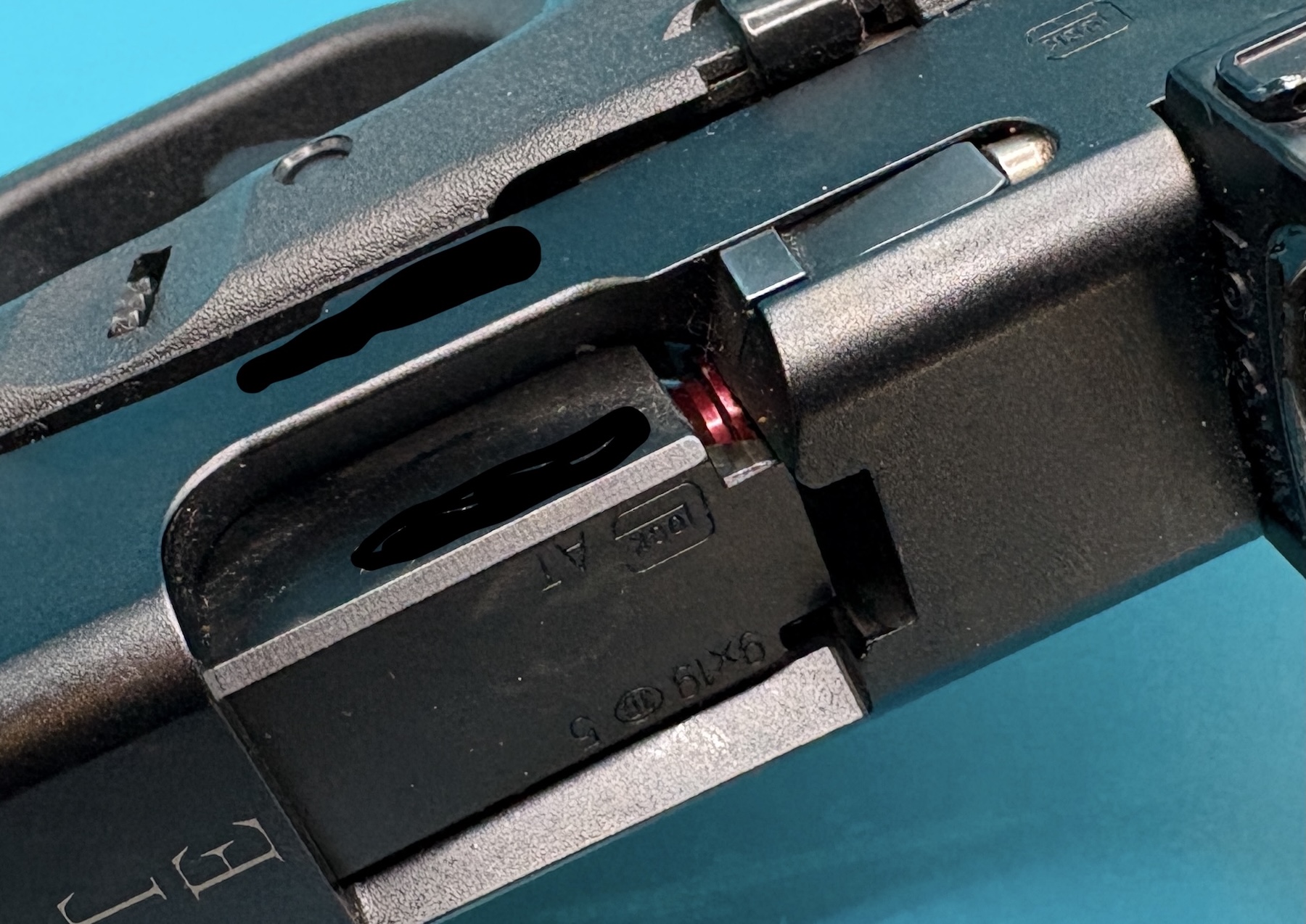
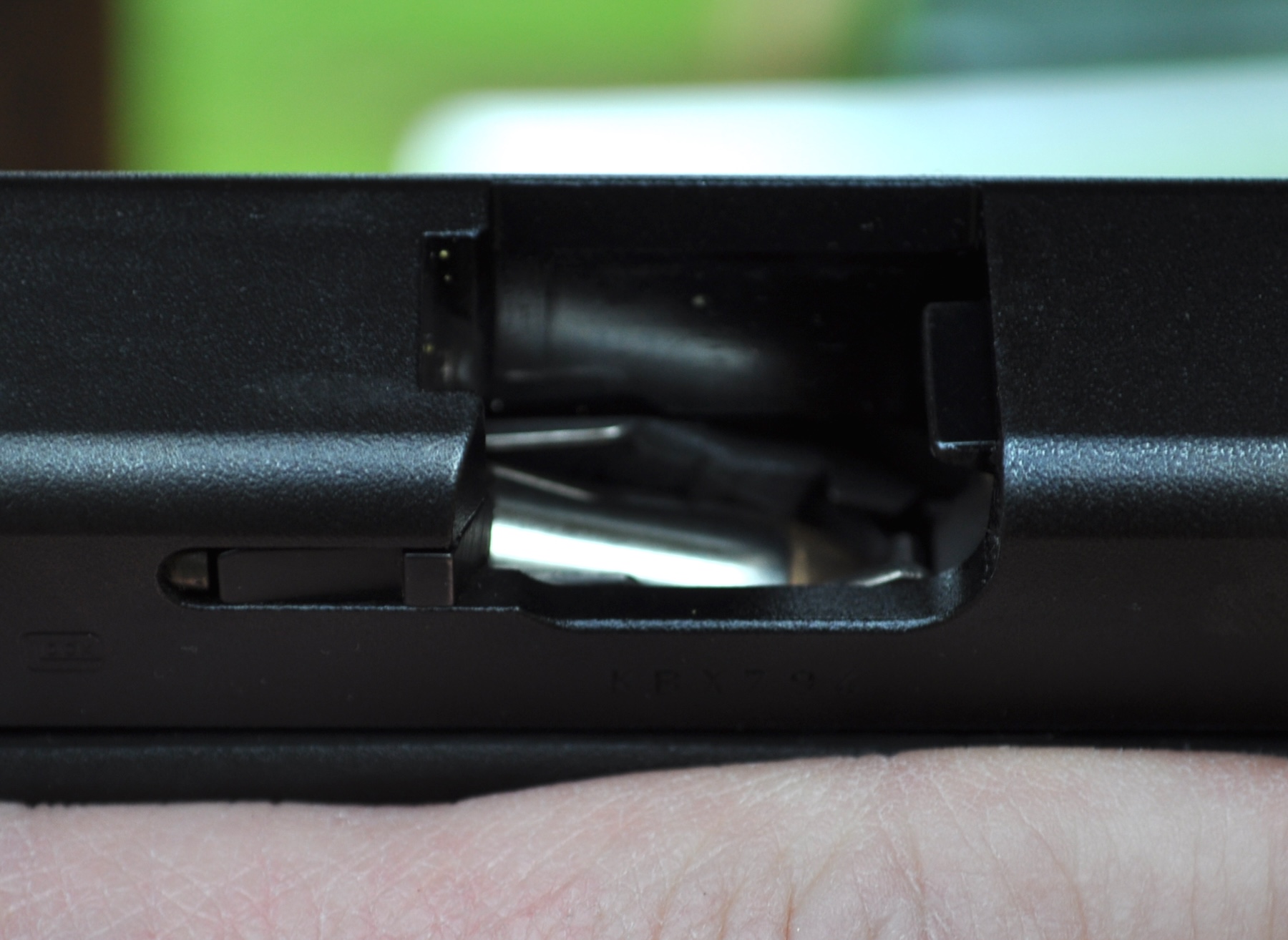
This pistol has not locked up and is not in battery.
Lock:
This could have been caused by an issue with the round being chambered. Or now there is enough crud and debris present to prevent the bolt/slide from seating completely. You may be able to remediate it in the field with sufficient force.
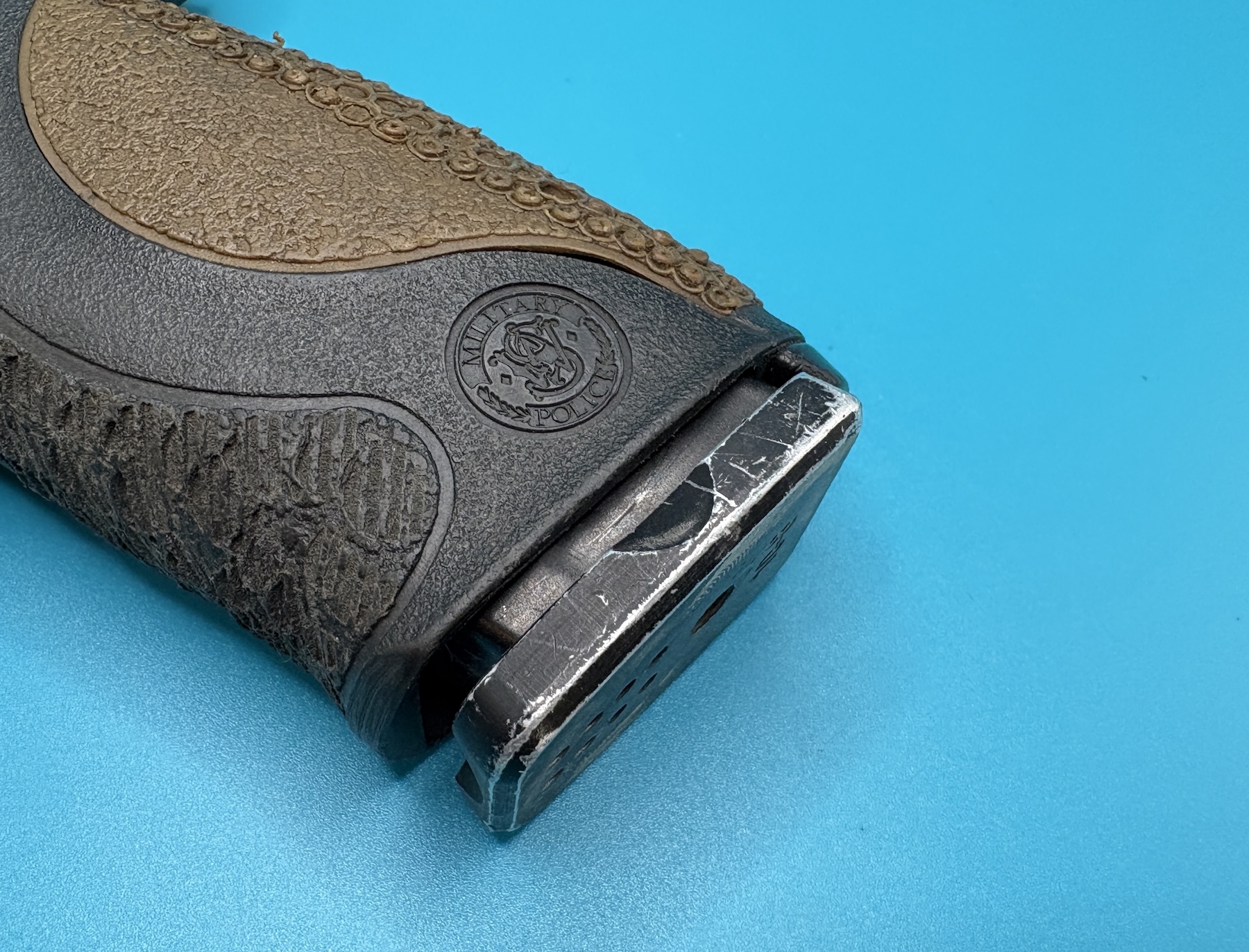
Without this magazine being fully seated, the next round is not going into the chamber.
Fire:
Equally as common as the upcoming failure to eject. Reasons for this include – no round in the chamber because it was never loaded, the magazine was not seated (or came undone), or you had a round with a bad primer/no flash hole/no powder.
The recommended fix is to ensure the magazine is seated, pull the slide to the rear before releasing it to chamber a round, and then shoot. There is ongoing discussion about the validity of ensuring the magazine is seated. A study with a small sample size showed minor time differences between going straight to racking the slide versus seating and then racking. Additionally, I have seen numerous shooters inadvertently release the magazine due to their grip. As a result, I default to smashing the magazine into the frame.
Unlock:
If the barrel hood has failed to detach from the slide or the bolt lugs got locked in place, you’ll experience a failure here. While it is not at all common, a broken bolt lug could lock up the action. This will require remediation by a trained professional, or at least a very knowledgeable person.
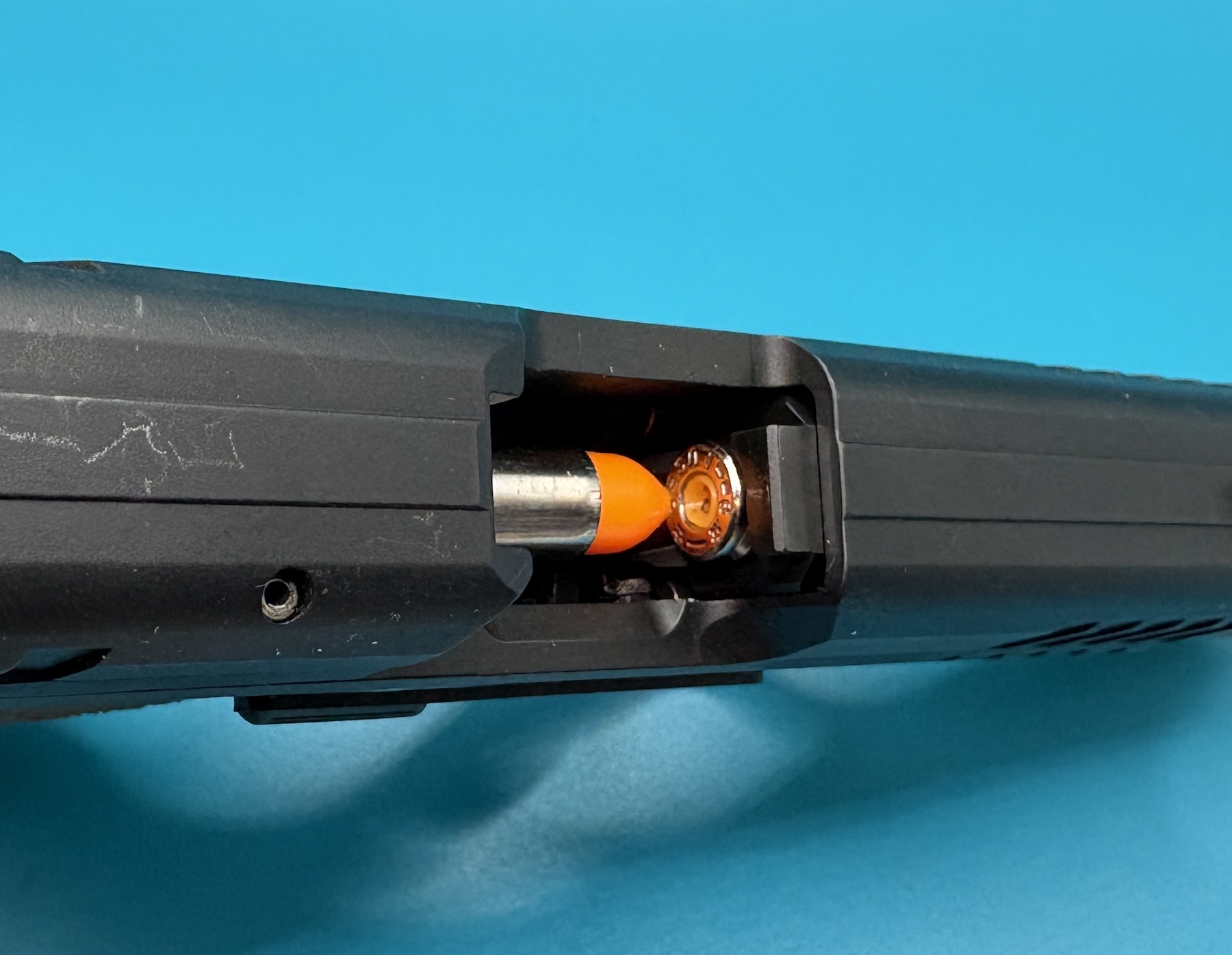
A failure to extract looks like this. If you have practiced it, this is not all that difficult to clear.
Extract:
For whatever reason, either temporarily or permanently, the extractor failed to remove the cartridge. It could be due to a damaged case, a dirty extractor, or a broken one. If the firearm cycled, it is very likely that you have another cartridge attempting to enter the chamber. While it is a failure to extract, it is often called a double feed (which is most likely with a double-column rifle magazine). To clear it, you will need to relieve the pressure on the chambered round. The ways to do that were covered HERE.
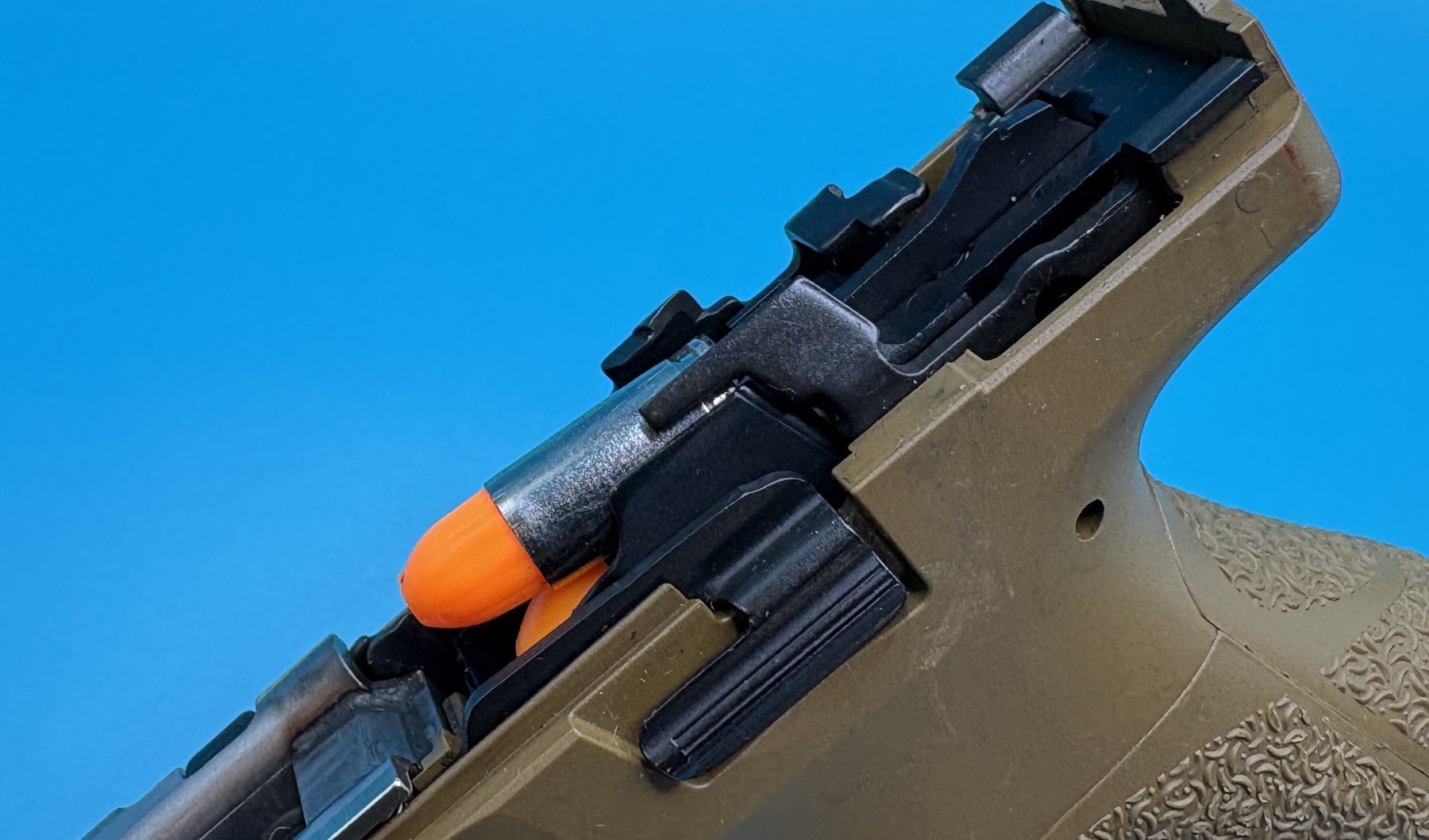
If the extractor (visible on that cartridge case) doesn’t kick the spent case out, you’ll be dealing with a failure to eject.
Eject:
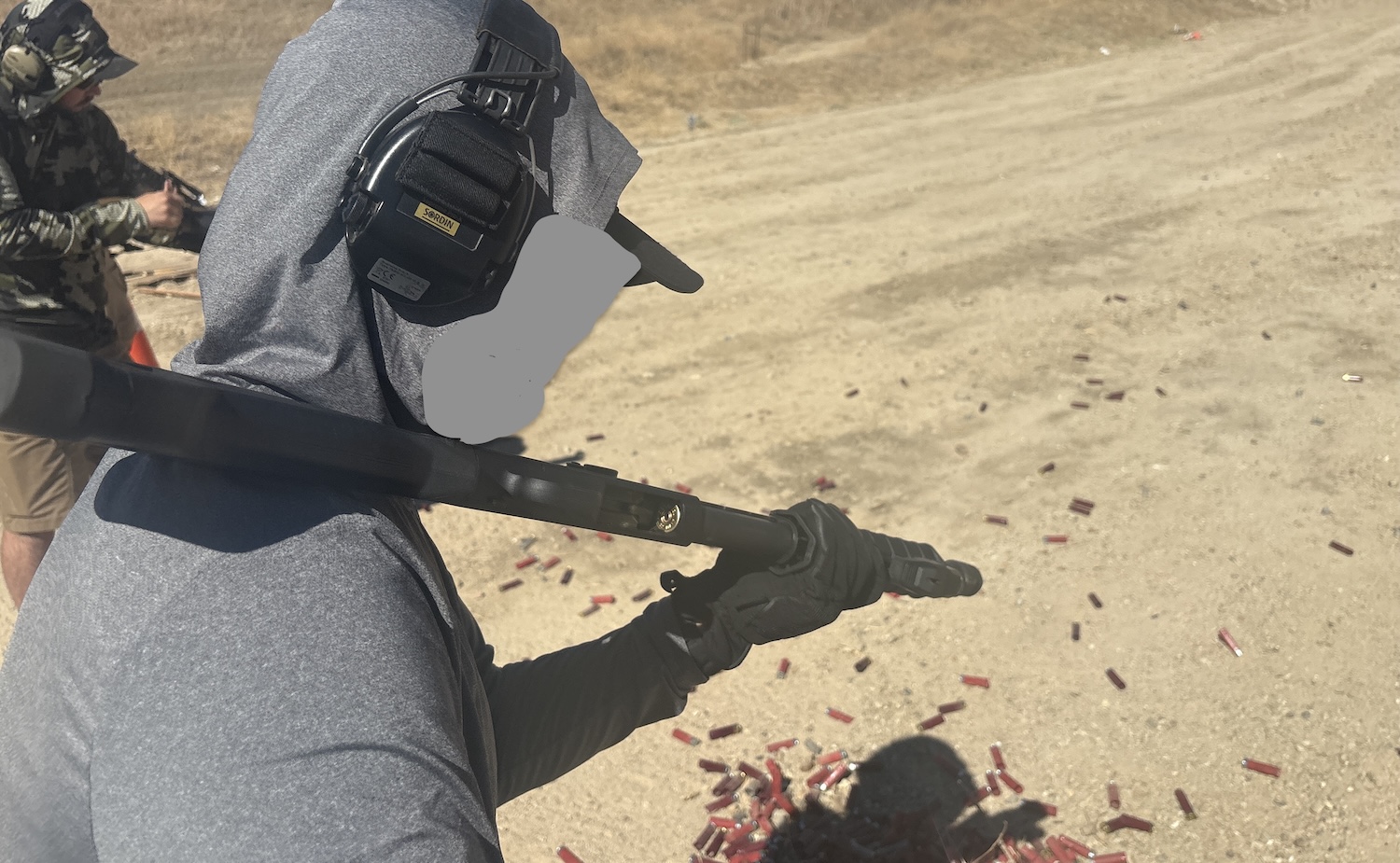
The ejector itself can either be on the bolt face, as it is in an AR-15 type rifle, inside the shotgun’s receiver, or as an additional part in the frame of semi-auto pistols. When the extracted case hits the ejector, it is kicked out of the ejection port. How can this be interrupted? Either by a broken ejector (I’ve encountered a number of those in pump-action shotguns) or by a blocked ejection port. That blockage could be caused by an external object – such as a barricade itself or an object that keeps any ejection port cover closed.
Any failure to eject is generally cleared very easily by the same technique used to clear a failure to fire. Since gravity is your friend, if you experience this, roll the ejection port downward while clearing it.

This failure to eject interrupted another part of the cycle.
Cock:
You aren’t likely to experience any stoppages here that you can easily clear. Any issues in this area will require an armorer or gunsmith to either replace or repair internal parts.
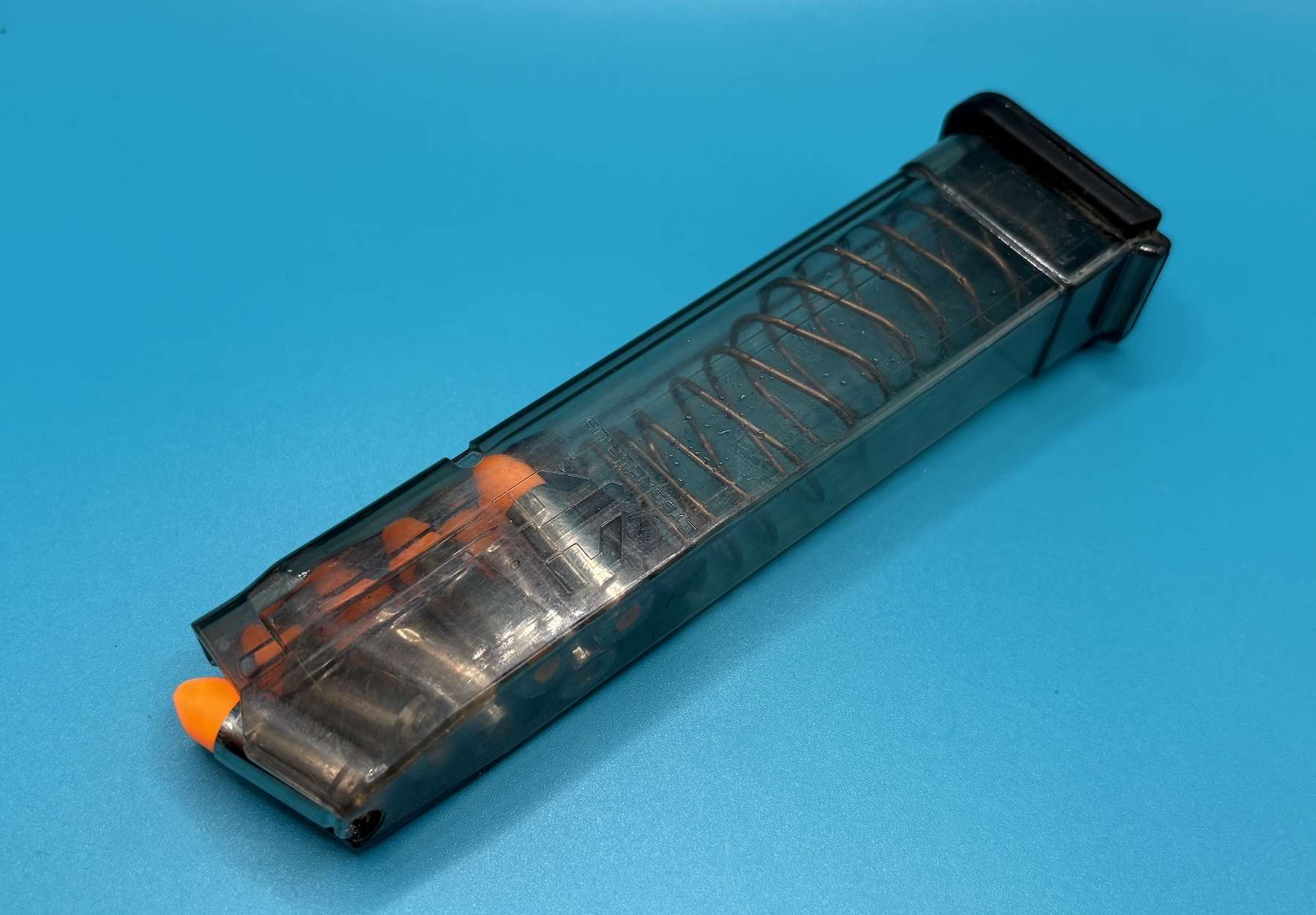
One way to demonstrate and practice clearing stoppages – dummy rounds in a clear magazine.
Final Thoughts
You must train for these. Initially, you can work through the steps until they become ingrained. Then, by adding them into other training – interleaving – to force you to clear them, without forewarning, as part of a more realistic evolution.
Additionally, do not neglect regular cleaning and preventive maintenance – especially of your magazines.
Finally, do everything you can to ensure you have the best grip on your handgun (or mount with your long gun). Based on watching body-worn camera footage, this certainly mitigates problems.