
 (+8 rating, 8 votes)
 Loading...
@Screenshot 2026-09-28 at 6.09.10 PM
(Screen shot courtesy of Tenor)
“60% of the time, it works a hundred percent of the time.”
The line came from the movie Anchor Man, and it has developed a heck of a following.
A note for those who aren’t aware – I am a left-hander and acknowledge that may well have something to do with these thoughts.
Reloads
Many competent, capable shooters and instructors advocate always sending the slide forward when loading or reloading by depressing the slide release. Yet, a tremendous number of shooters were taught and continue to do so by pulling the slide rearward before releasing it.
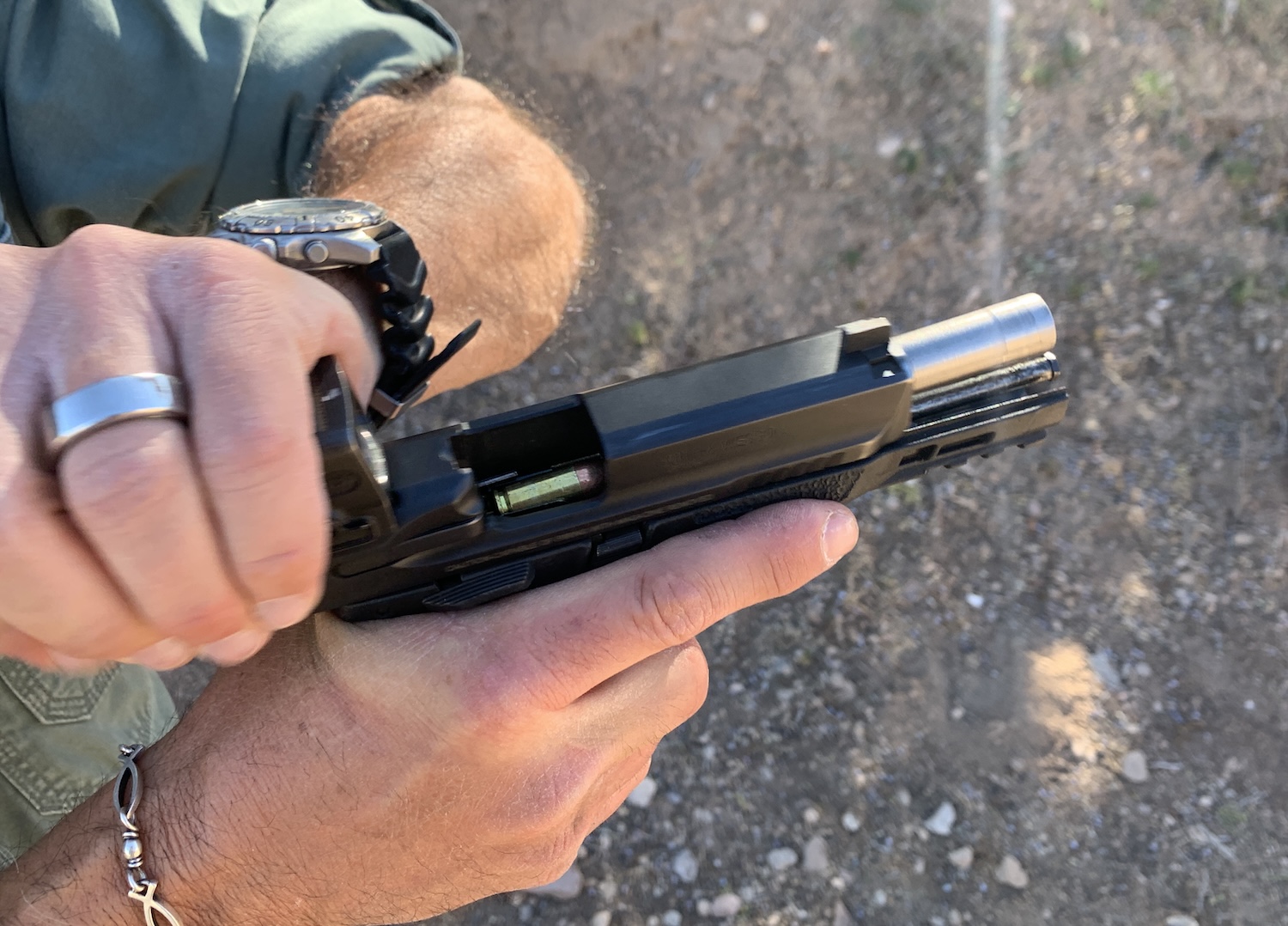
Even with traditional, right-hand-friendly controls, this instructor is using a method that works on every design.
There are two reasons for this. The most relevant is that original Glock slide stops (& those on a few other polymer pistols) were quite small compared to those on metal-frame pistols. Glock’s own instructors taught that the stop was not a release, and you needed to pull the slide rearward. Yes, it is slower, though we are talking tenths of a second, not seconds. And it did allow for a bit more force if you had a dry or dirty gun. That company’s position permeated the law enforcement world for many years.

This pistol has an ambidextrous slide release. So the shooter can send the slide forward quicker.
The second reason? Left-handed shooters. Until recently, very few pistols had ambidextrous slide releases/stops. While the 2.0 M&Ps had them in the teens, Glock did not have them until the Gen 5 guns came out. Staccato didn’t offer an ambidextrous option until their HD pistols hit last year.
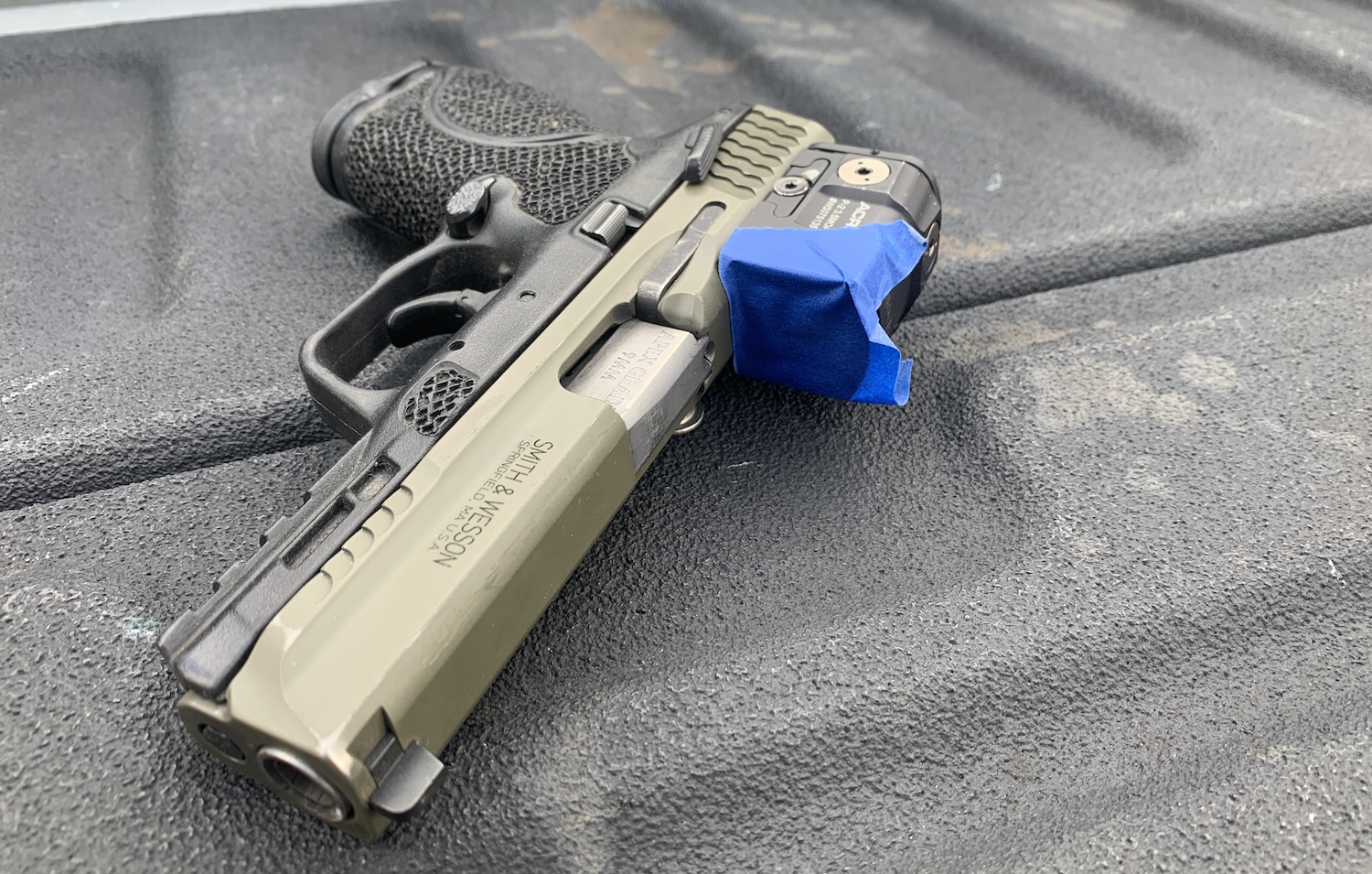
While newer pistol designs have migrated to ambidextrous controls, some designs cannot be retrofitted.
Along with those, I still have and use older designs that do not give me the ambi option. So, for me, an overhand grip and pulling the slide rearward to release it is the only realistic option. Regardless of the design and date of manufacture, that method is surer, and it works every time.
Stoppage Clearances
First example: a failure to fire. The surer technique is to ensure the magazine is seated, then roll the ejection port downward before pulling the slide rearward and releasing it. Some instructors and practitioners insist it is faster to skip seating the magazine and go straight to racking the slide.
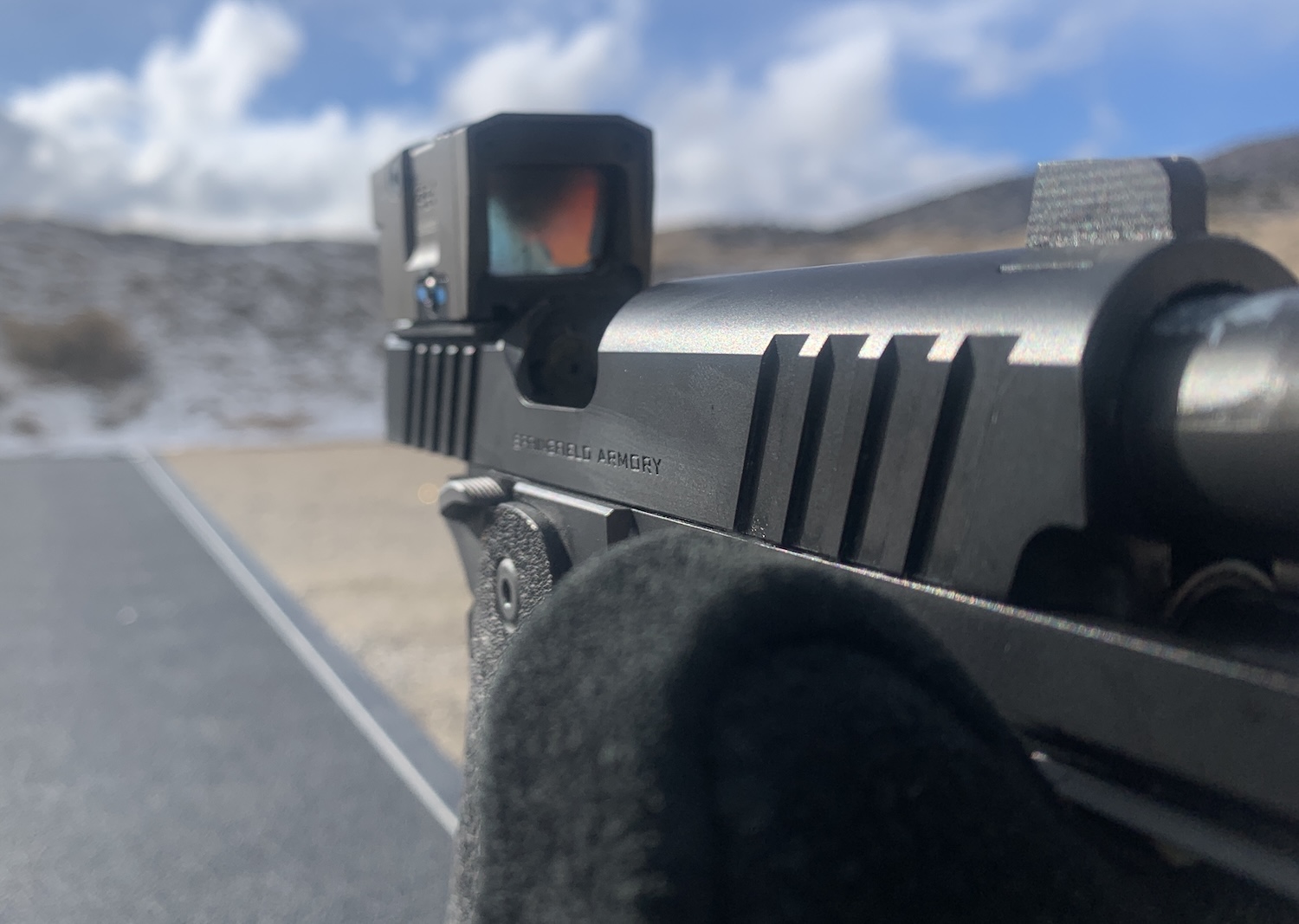
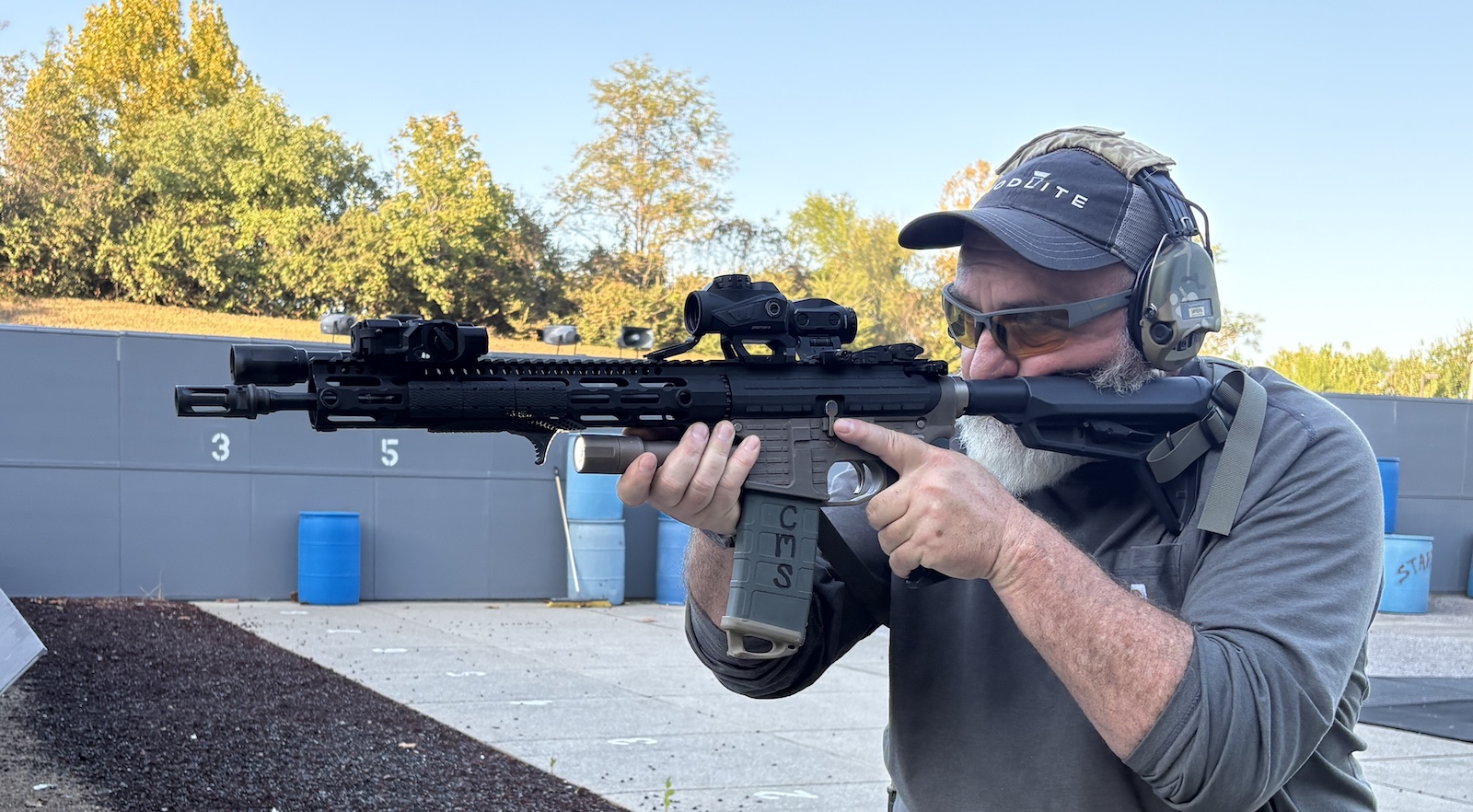
While the Prodigy is an update on Browning’s best-known design, it doesn’t have an ambi slide stop.
If the magazine was still seated, yes, that is faster. The issue is when the magazine wasn’t seated; when the magazine release was inadvertently depressed. The time “saved” by bypassing the rack is spent repeating the process, potentially multiple times, before seating the magazine and chambering a round.
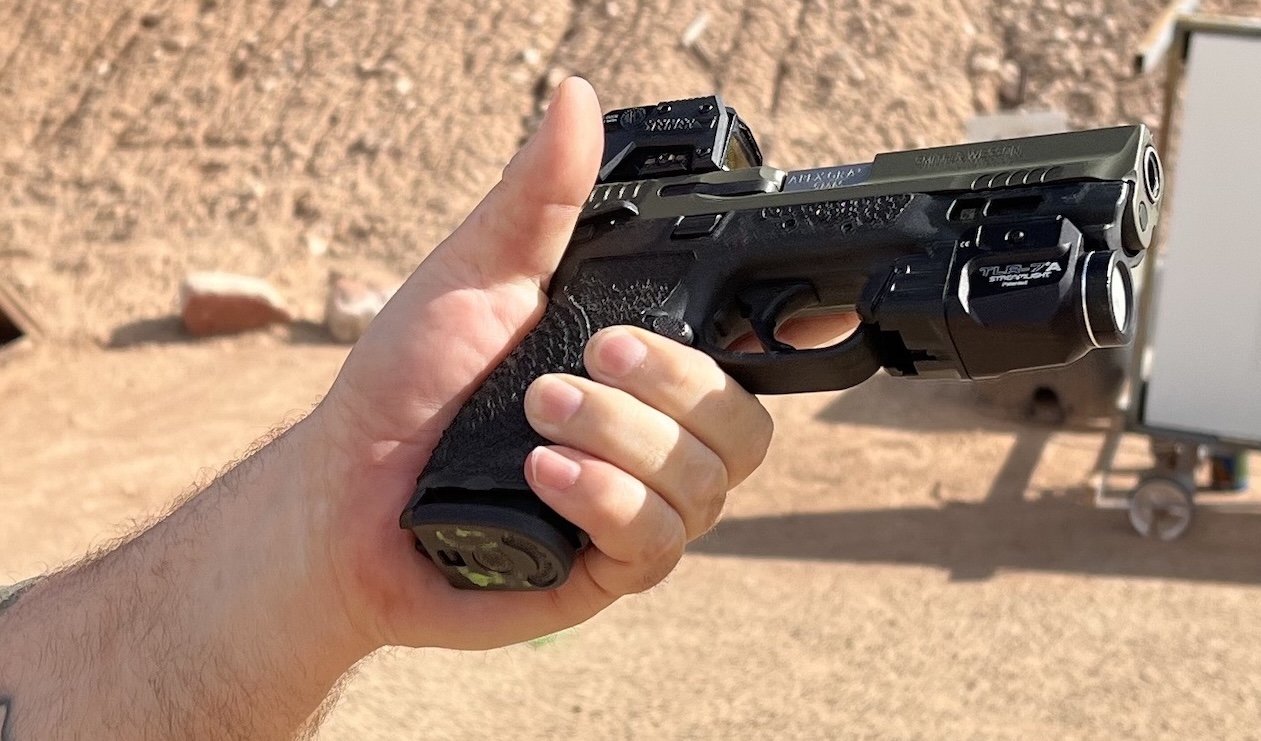
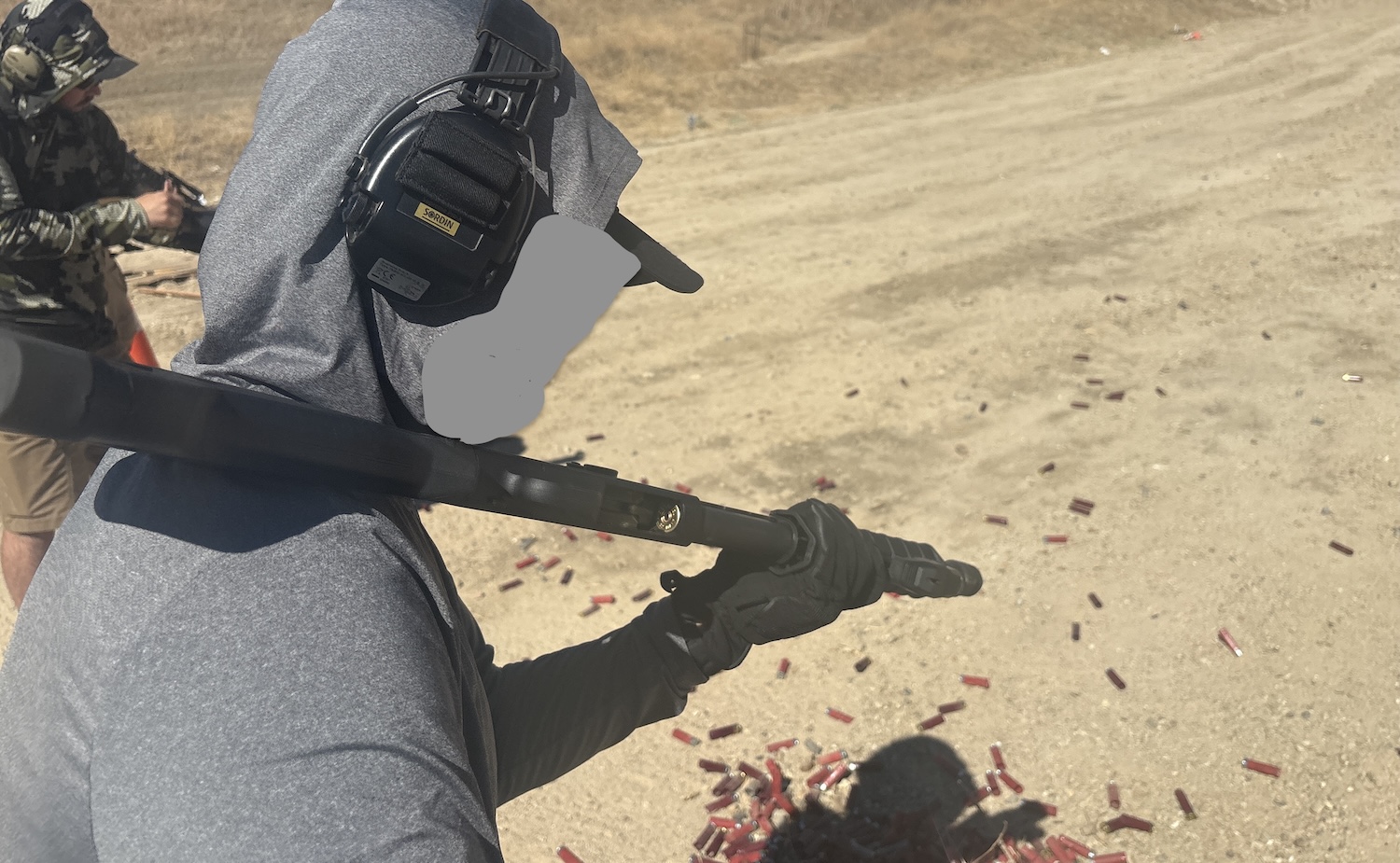
The M&Ps magazine isn’t seated. No amount of racking the slide will chamber a round.
In a recent master instructor development class, Tom Givens discussed the adverse impact one FBI agent in the 20s and 30s had on firearms training for decades. This stems from the agent’s devotion to dry practice coupled with exceptionally good eyesight. That led to shooting doctrine involving point shooting from a low crouch.
We have something similar here. As much as I appreciate and enjoy 1911 pistols (I carried one on duty, in classes & matches, for over twenty years), the most commonly taught reloads and malfunction clearances were built around its 7- or 8-round magazines.
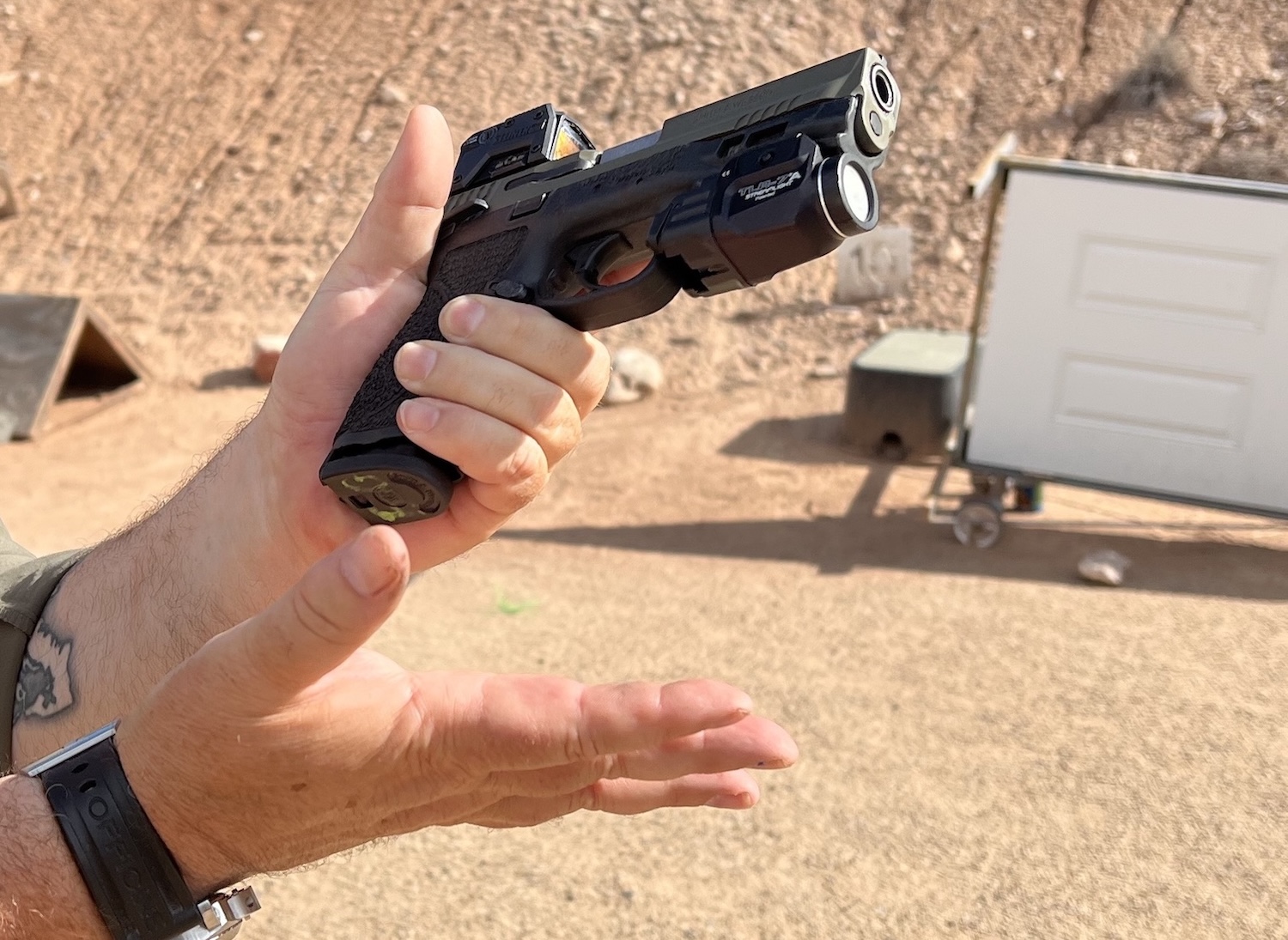
Smashing the basepad to seat the magazine takes time, but not much when you have to come back to it soon.
Another One
Second example, if one had a failure to extract, after trying to re-seat the magazine, roll the ejection down and work the slide to the rear, the next step is locking the slide to the rear. Why? Because with the metal frame of the 1911 (plus some Hi-Powers with internal vice external extractors), one needed to take the pressure from the recoil spring off that top round. Then the magazine could be stripped out of the gun.
We followed it with racking the slide three times. Done correctly, they gave the existing extractor design the best chance to work and remove the fired (now expanded) case that wasn’t extracted. Newer designs with spring-loaded external extractors work differently.
Because of these design changes, we have essentially two ways to solve the problem. And they are based on equipment. You, the shooter, need to use the surer one for your gun.
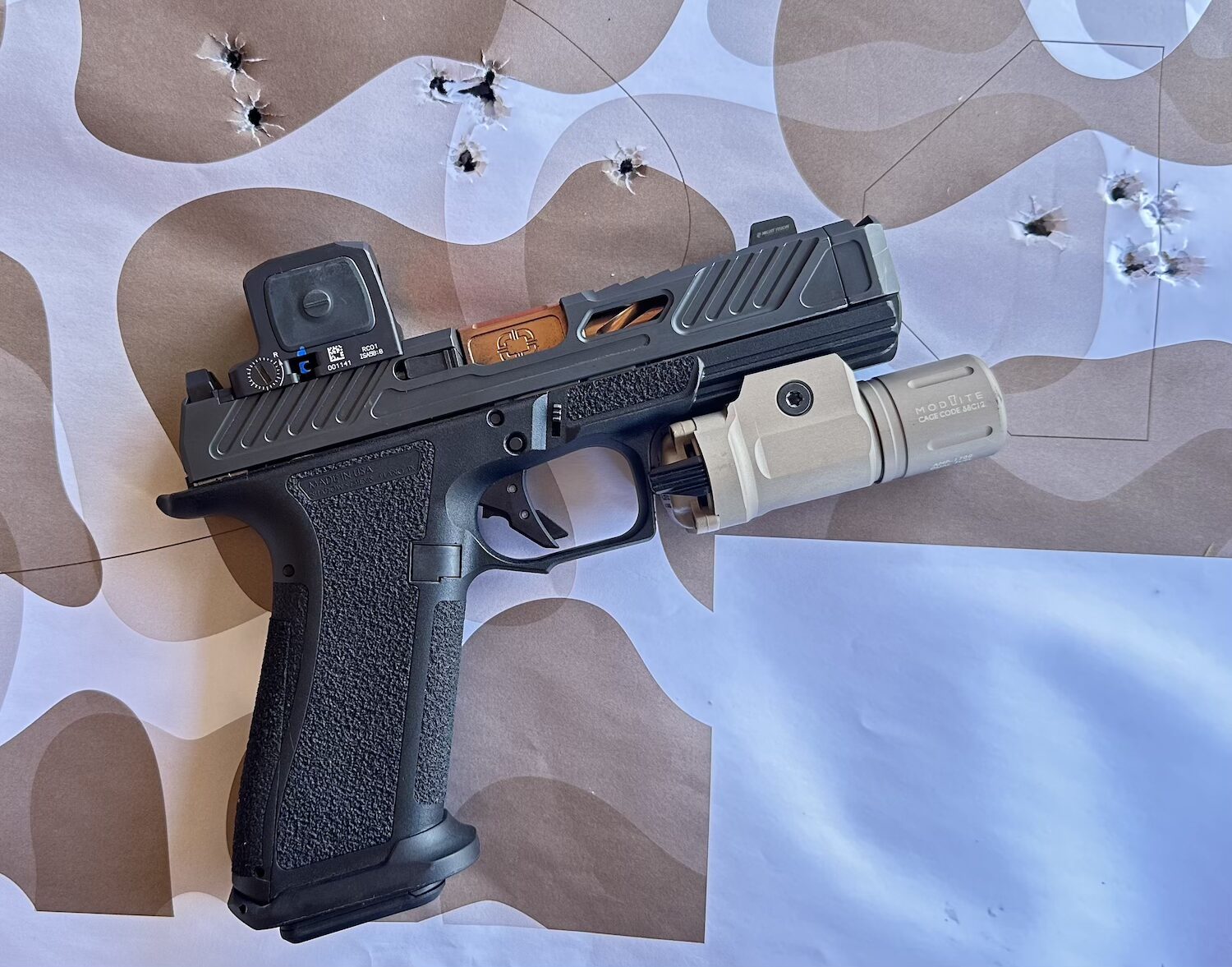
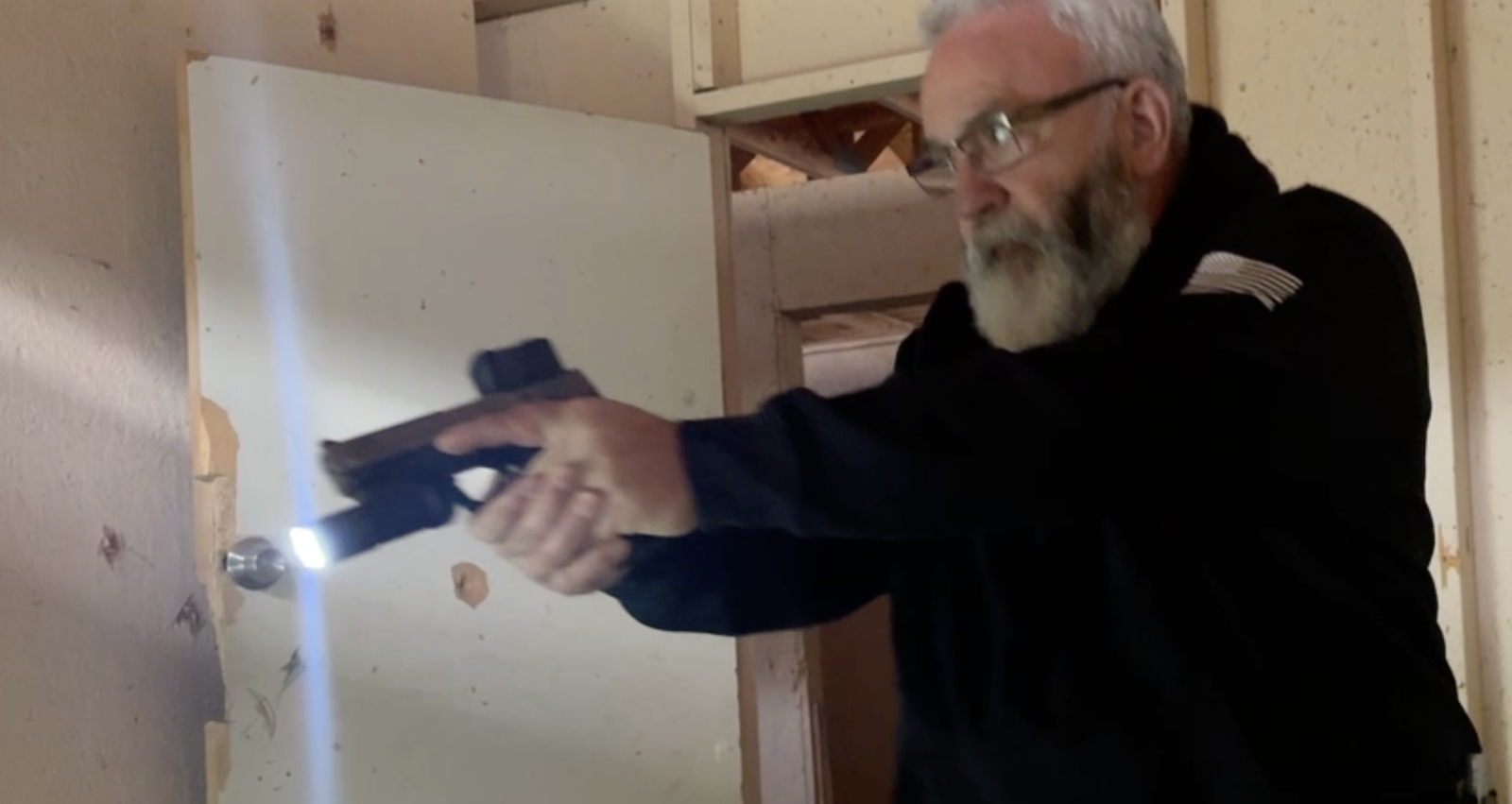
The Shadow Systems offerings are based on Gen 3 Glocks. So, they have to be manipulated like them.
With a polymer-frame pistol, that generally involves stripping the magazine, racking the slide, and then reloading the pistol. With many newer pistols, it is both faster and surer. That is a Win!
Commentary from a Peer
While working on this piece, I got a phone call from a now-retired FBI Special Agent. Bruce, who now lives in the mountains of God’s county, was a long-time firearms and tactics instructor who also taught in the Firearms Training Unit at Quantico.
After I answered his questions on removing a damaged optic from a friend’s pistol, I asked him about this subject. Bruce told me the following:
“Surer, absolutely surer, but not necessarily faster. It must work in the [expletive deleted] dark too.”
He then related a nighttime event from a Pat Rogers class. After dark, Pat told the class to load up for a run on the MEU-SOC (Marine Expeditionary Unit-Special Operations Capable) pistol qual. Then he added, “Oh yeah, you can’t turn on your lights.” Bruce was pretty adamant about having a skill set that lets you do that while being 100% sure a round is chambered, with a full magazine behind it.
Bruce was specifically talking about being able to determine if it was loaded to capacity by feel. As well, doing an eyes-off chambered-round verification.
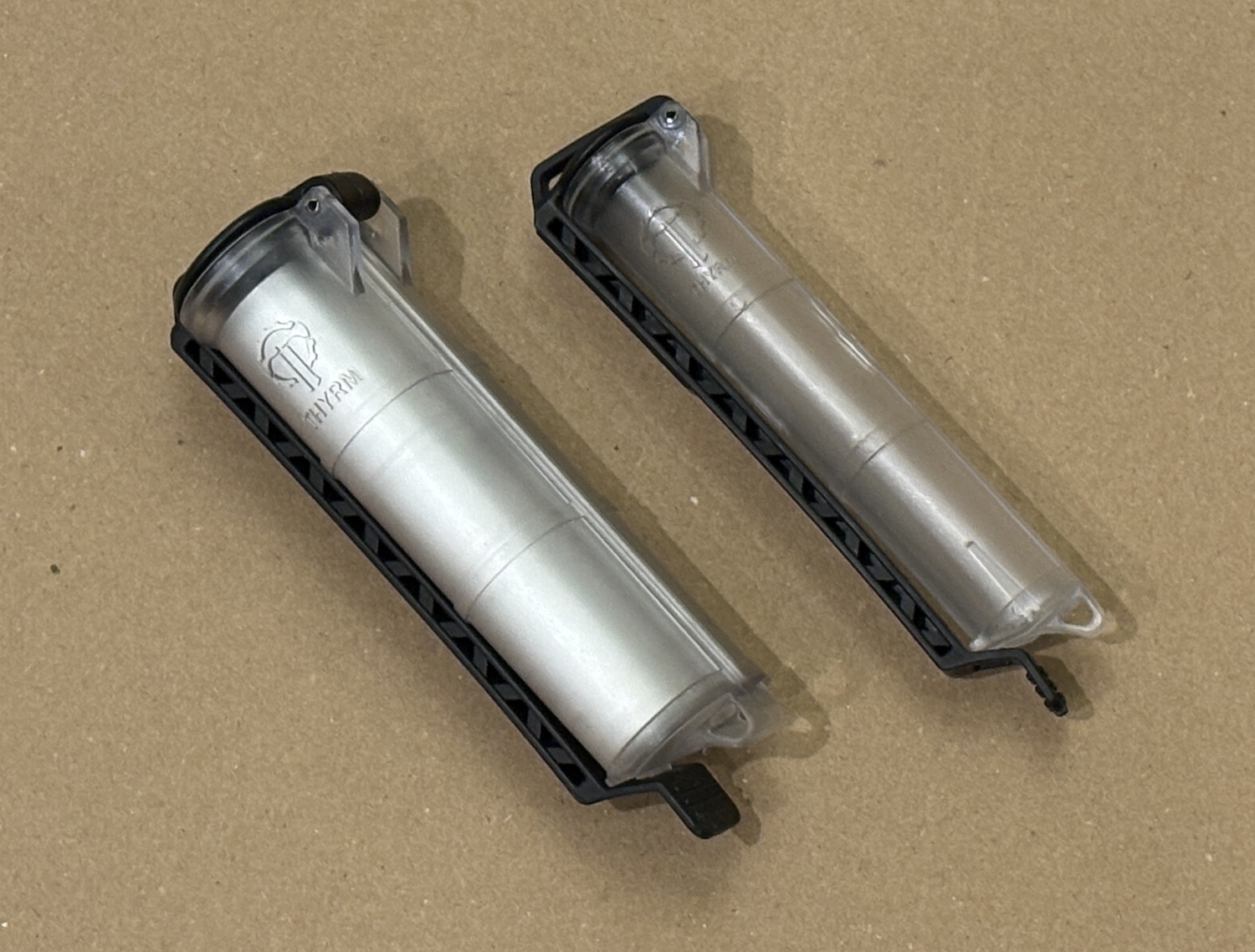
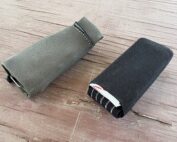
If you want to carry spare batteries for your lights, check out Thyrm and their carriers.
He added that having extra batteries on you, on your gear, is a must. Because storing those items elsewhere, away from you, is a No-Go.
Final Thought
Rather than fixating on the fastest way to do something, consider this: Find a technique that addresses the need and works every time. Then, drill it to maximize your efficiency, which will minimize how long it takes.