
 (+12 rating, 12 votes)
 Loading...
VC 12 Gauge
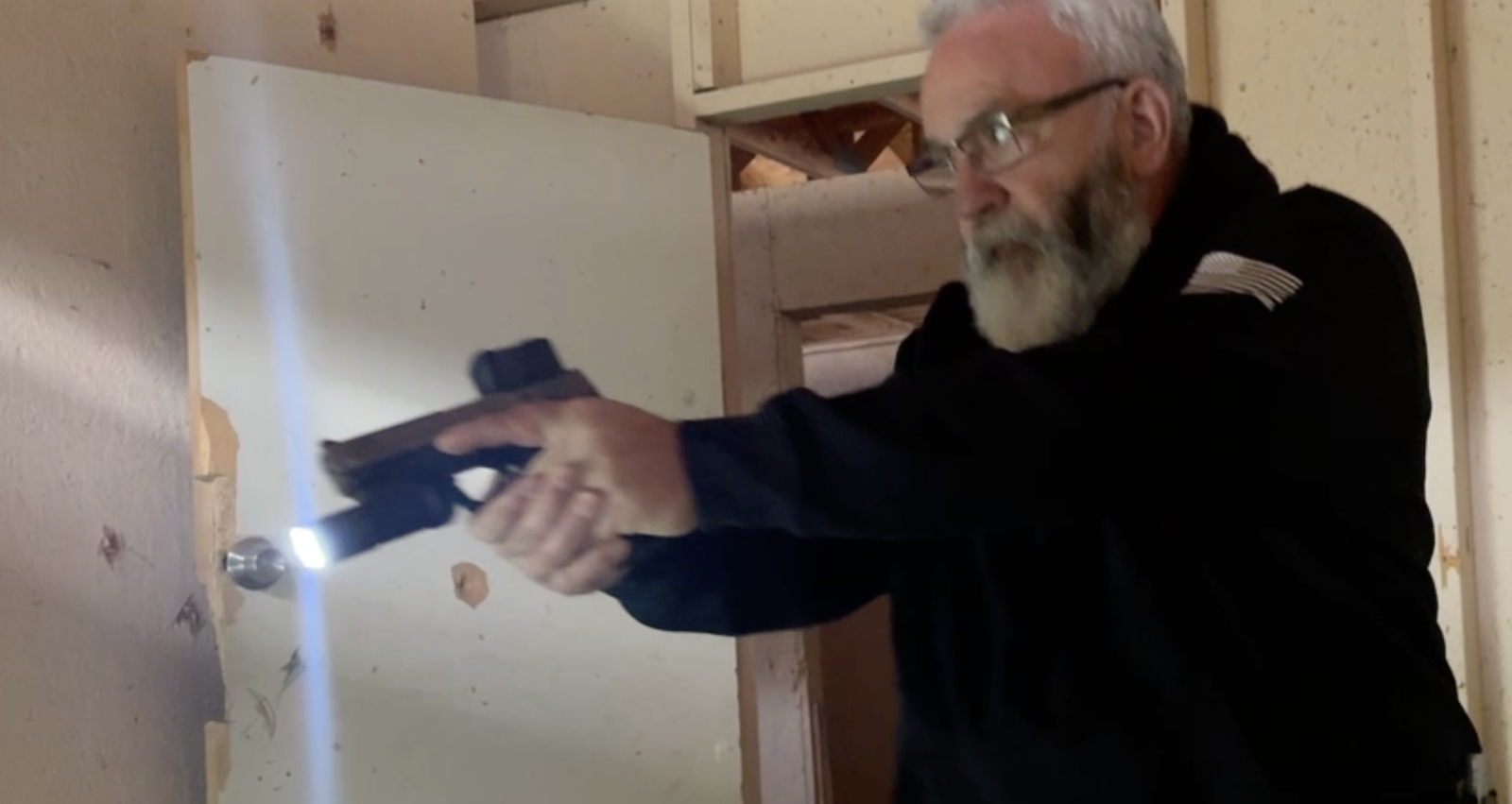
Handling the Vang Comp 12 gauge at age 18. (Now 20, he is 6’5”, 225 lbs, and squats 500 lbs for reps!)
Whether you want to call them warriors, sheepdogs, prepared citizens, protectors, or simply our children and their peers, they are our future.
Now, I was born in 1966, so technically I am a member of Generation X, but I also identify with the Baby Boomers. As a result, like many of us, I am a hybrid of generational characteristics. My father was an Army veteran and a police officer, and my mother was a schoolteacher. This meant there was little chance of getting away with any rambunctious behavior.
After her time in the Air Force, my wife became a schoolteacher and has been teaching for 23 years. With two master’s degrees in education, she is currently working on her dissertation for her educational doctorate. She is a consummate and lifelong learner.
We have two boys. They are 22 and 19. Both are right in the middle of Generation Z. They are both athletes, but they are also very different. Suffice it to say that education, preparedness, and strengthening our next generation are things near and dear to our family.
First Aid
Knowledge of first aid is one of the most inexpensive yet potentially priceless skills anybody can have, and there’s no reason preteens can’t begin to learn these skills.
My time spent on a mountain search and rescue team certainly reinforced my belief in the value of first aid skills. Wilderness first aid courses not only teach first aid, but also the value of backcountry triage and how to improvise.
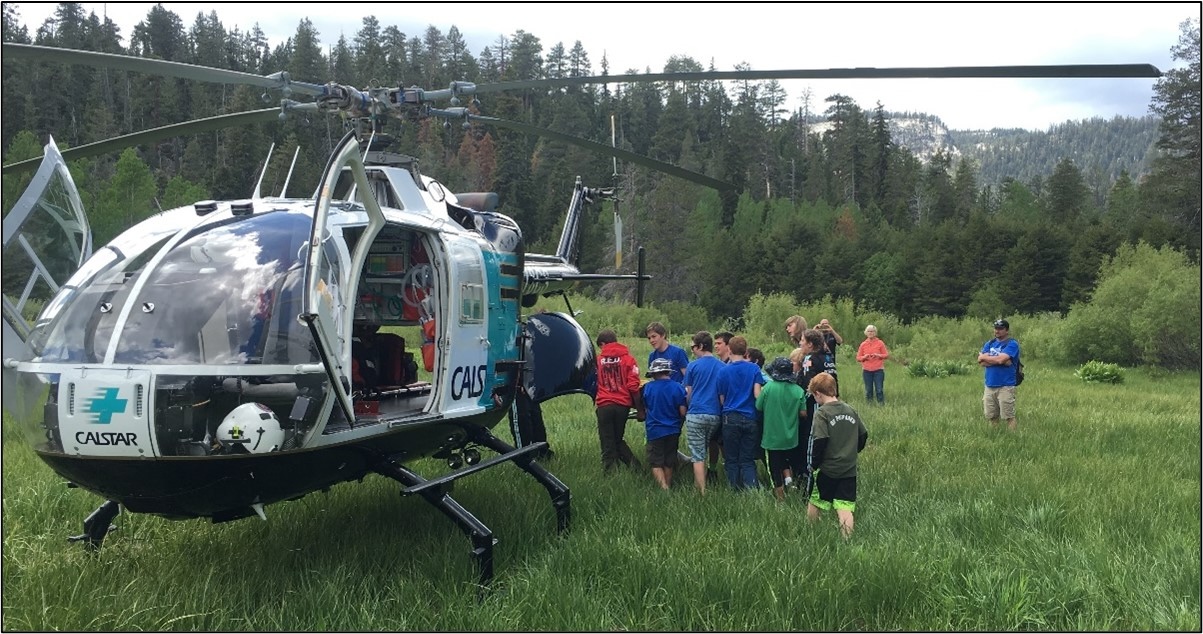
First aid training with the Boy Scouts and our local air ambulance service, a critical partner here in the mountains.
Firearms
With children, a degree of familiarity with firearms – the ability to recognize them and know the consequences of careless handling will minimize their curiosity and give them at least the basic principles of safe gun handling.
I grew up at the shooting range with my father (a police officer), so I naturally introduced our boys to shooting when they were young. One is mildly interested, but the other took a keen interest. He has been to Gunsite several times, completing basic, intermediate, and advanced pistol courses by age 16. He has two sterling silver ravens to his credit.
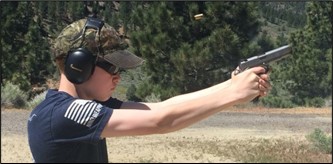
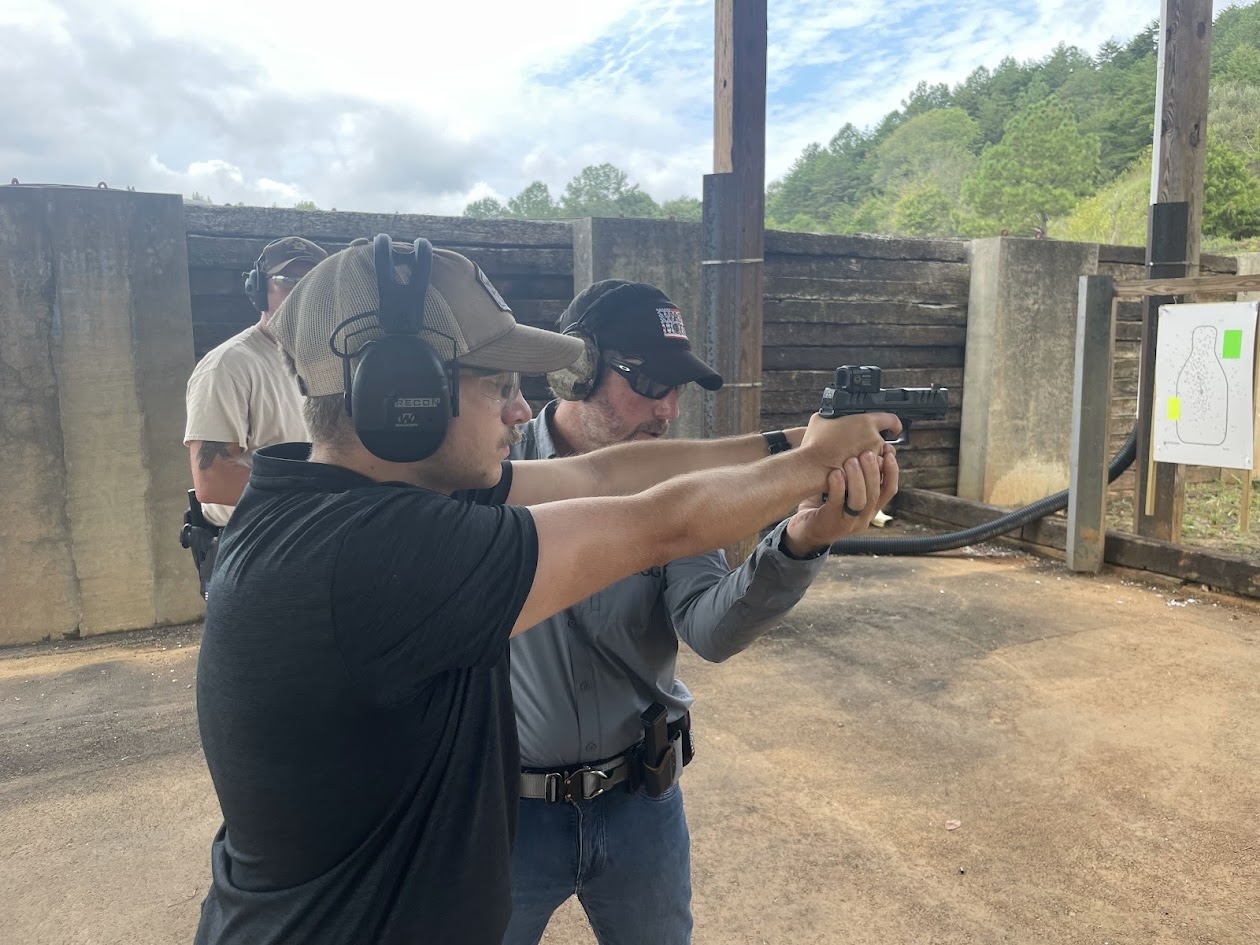
One of the boys was getting some range time with a .45 ACP when they were 13 years old.
I was able to provide a solid base of firearms skills, but watching them flourish under the professional instruction of experts who are NOT DAD is absolutely a reward as well. It may also be validation for me.
Cars
We recently sent the boys to a high-performance driving school. They spent time in the skid car, practiced emergency lane changes, and worked their way through several autocross courses. They also spent time on a track, reaching speeds well above 100 mph, with and without an instructor in the car.
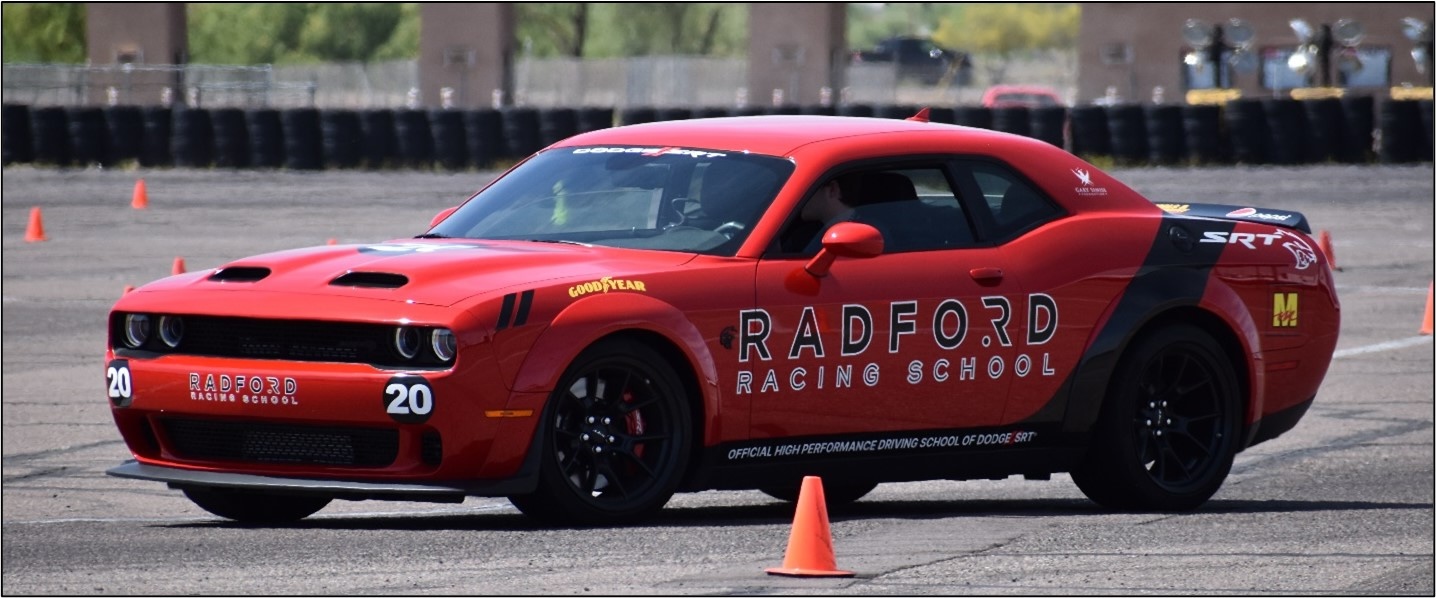
Putting in time on the autocross course teaches a multitude of lessons in physics, driver confidence, and is generally a lot of fun. Smooth is fast here as well!
Current driver’s education courses teach new drivers to grab the bottom of the steering wheel if they are going to crash. This is to prevent injuries from airbag deployment, but, at least to me, it screams at them to just give up. There is a huge gap here. Should I even ask about learning how to drive a car with a manual transmission?
Several schools teach teens how to control their cars in emergency situations and also cover the science (and art) of how cars handle. A critical aspect of this training is that there is one person (the driver) who is placed squarely in the position of responsibility.
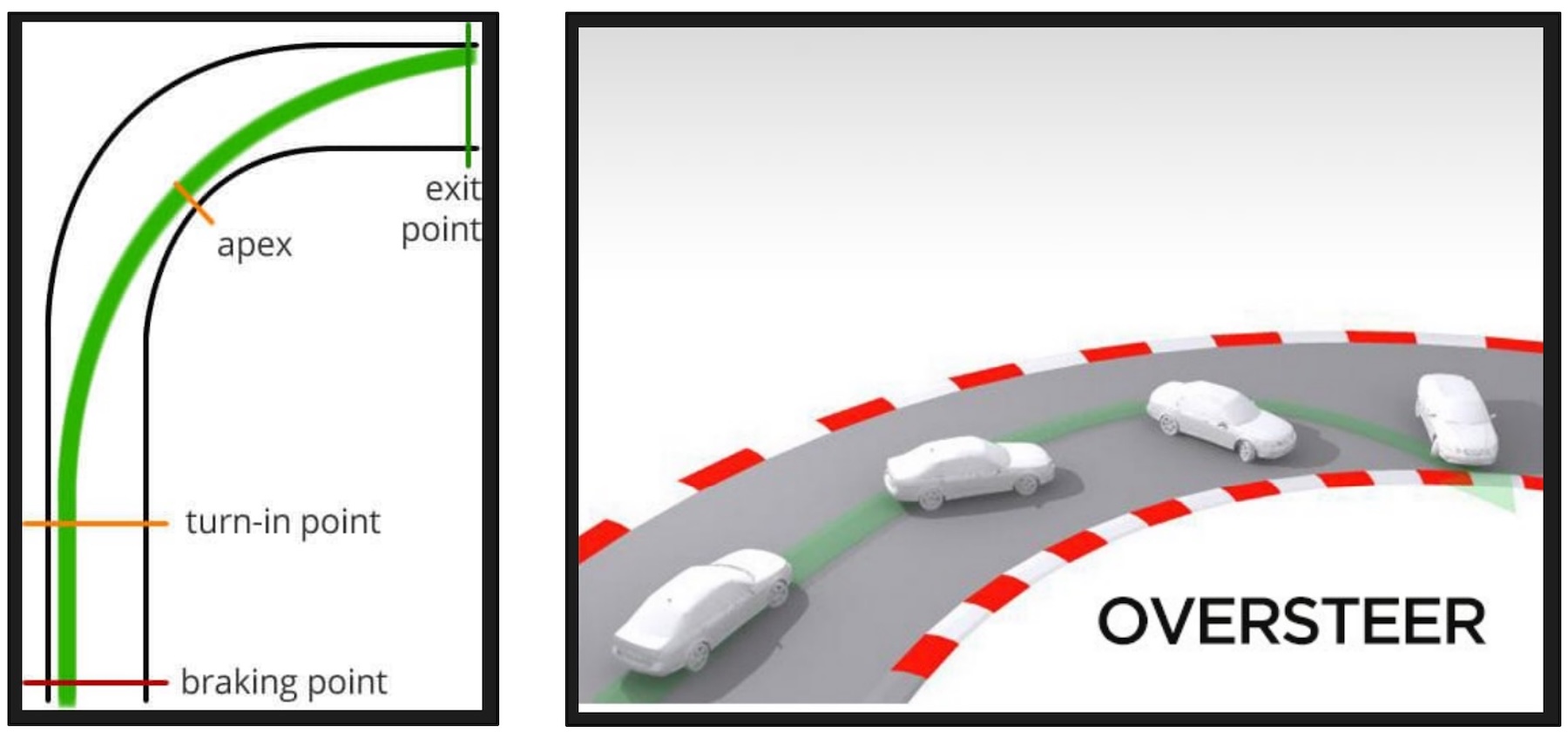
The physics of car control is another aspect of high-performance driving
Critical Thinking
Several curricula exist to teach critical thinking. One example is the Rocket Rules program from the Hero In You Foundation, which educates children on how to stay safe in emergencies with age-appropriate instruction.
In 2023, I wrote an article reflecting on the 1967 Boy Scout handbook and the expectations for teens in emergency situations. It disturbs me to see how far we have digressed from that time, with the majority of teenagers in today’s world. https://trainbeready.com/f/the-1967-boy-scout-handbook-reflections-from-2023

In any edition (this one from 1967) of the Boy Scout Handbook, you can’t read more than a few paragraphs without some mention of first aid.
Rather than insulating children from the world’s evils, we are vastly better off by having those hard discussions, leaving our youth better prepared for the world they already inhabit. This also opens the door to discussing how to prepare for the future.
Mentoring
I have had several opportunities to serve as a high school senior project mentor, as well as a college mentor for students interested in homeland security careers. Regularly, I talk with high school students about careers in the FBI. Recently, a peer who is extremely frustrated with the current state of our former agency chastised me about this. My response was that I look at this as playing the long game. These students might come into the (agency of your choice) in 10 years and could be the future of agency leadership in 20+ years or so. Investing in them now might just pay off later.
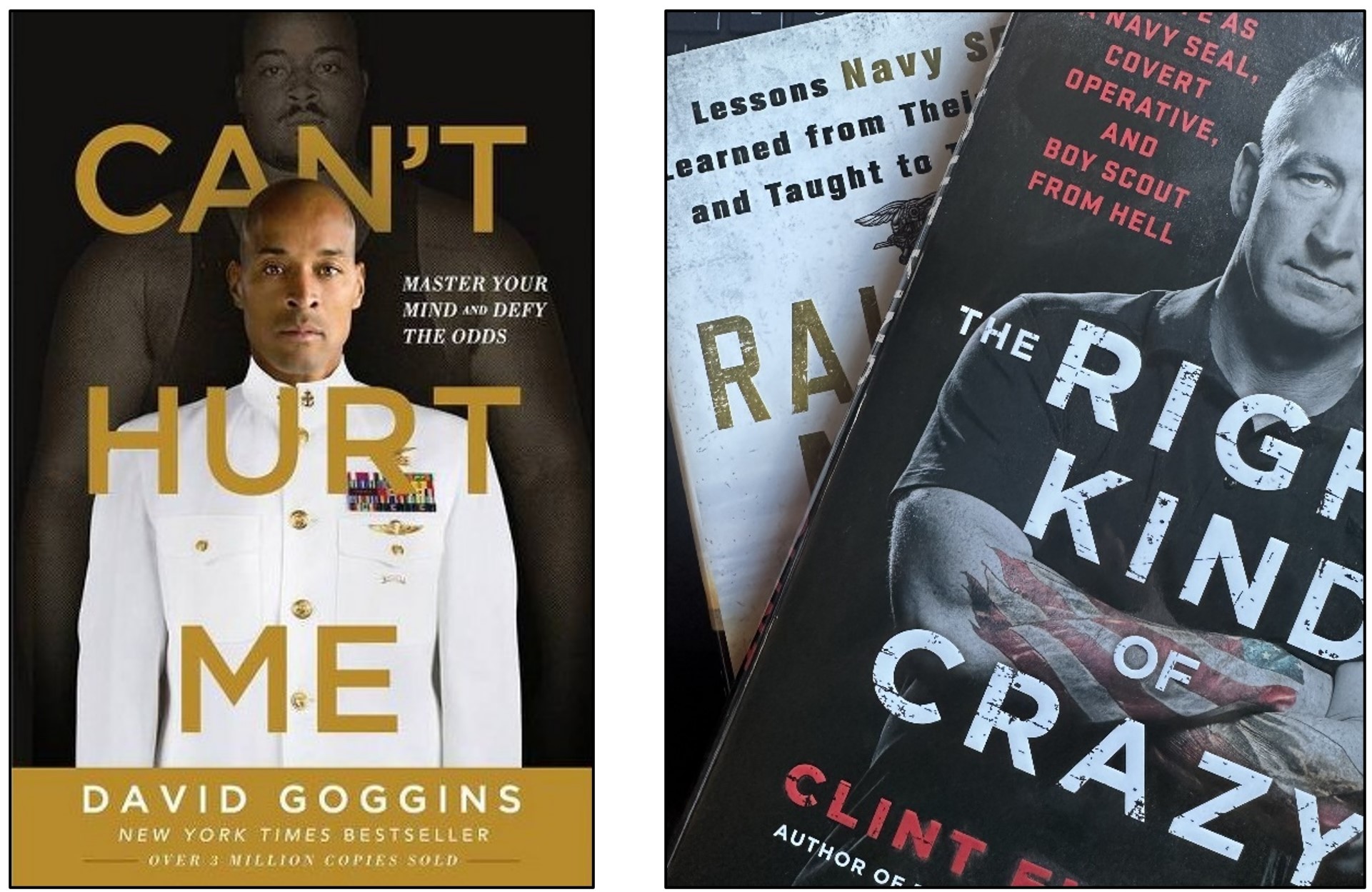
There is a spectrum of books out there that discuss resiliency, adaptability, and provide real-life inspiration for young adults. Jocko Willink has a whole series for younger children as well.
Building Future Opportunities
Whether we like it or not, we all exhibit and model behavior, both good and bad. We may need to focus more on detailed planning behavior. Do you have a family emergency plan? Do you have an emergency code word? Does your family have emergency resources at the house or in the car?
You may have some future generations at home, or you may not. We all need to seek out opportunities to educate, inspire, and create interest in the skills, mindset, and resilience necessary for our youth to thrive in the decades to come.
As 2025 continues, look for those mentoring opportunities. If not us, then who? Be safe out there!