
 (+10 rating, 18 votes)
 Loading...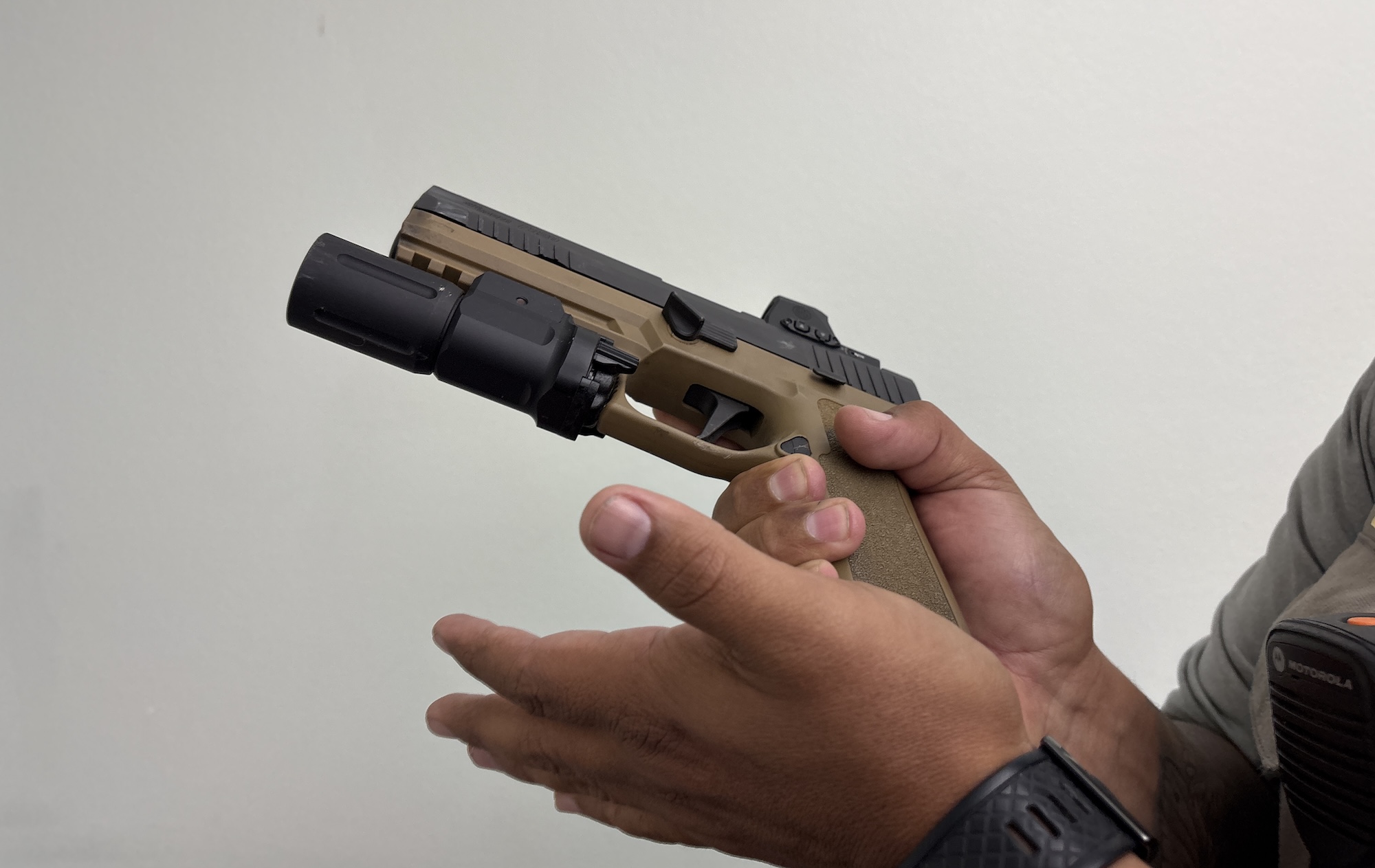
feature_1651
Smash it instead.
Last year, I heard Kelly McCann on a podcast. He said that something that has stuck with me – “We are prisoners of our experiences, but, at least, we have them.”

This magazine is just slightly out of place (we staged it). When drawn and fired, the shooter will get a second shot click.
Apparently, it was a slow news week in the shooting world. While there are plenty of business issues to discuss, the practical application seems lacking. Why? Because another “debate” has arisen about the Tap in Tap, (Roll) Rack, & Assess.
Process
The concern? Some have deleted Tapping the base of the magazine to ensure it is seated during a non-diagnostic malfunction clearance, while others still use it. Those trainers and shooters believe it is not worth the time needed to accomplish that when it’s probably just a bad round. If it is a bad round, and QA/QC has been lousy for several years, run the slide and keep going.
I started kicking the idea of responding around in my head again several days ago. I knew at least one SOF alum had done a study on the time “saved” by not tapping. My recollection is that the time was so minimal as to be nearly non-existent. However, I wasn’t sure who had done it. I was reminded that it was retired US Army Master Sergeant Paul Howe, of CSAT.
Then, this morning, John Hearne set an article from Shooting Illustrated on the same topic, showing very similar results time-wise. In the research world, that points towards confirmation and validation.
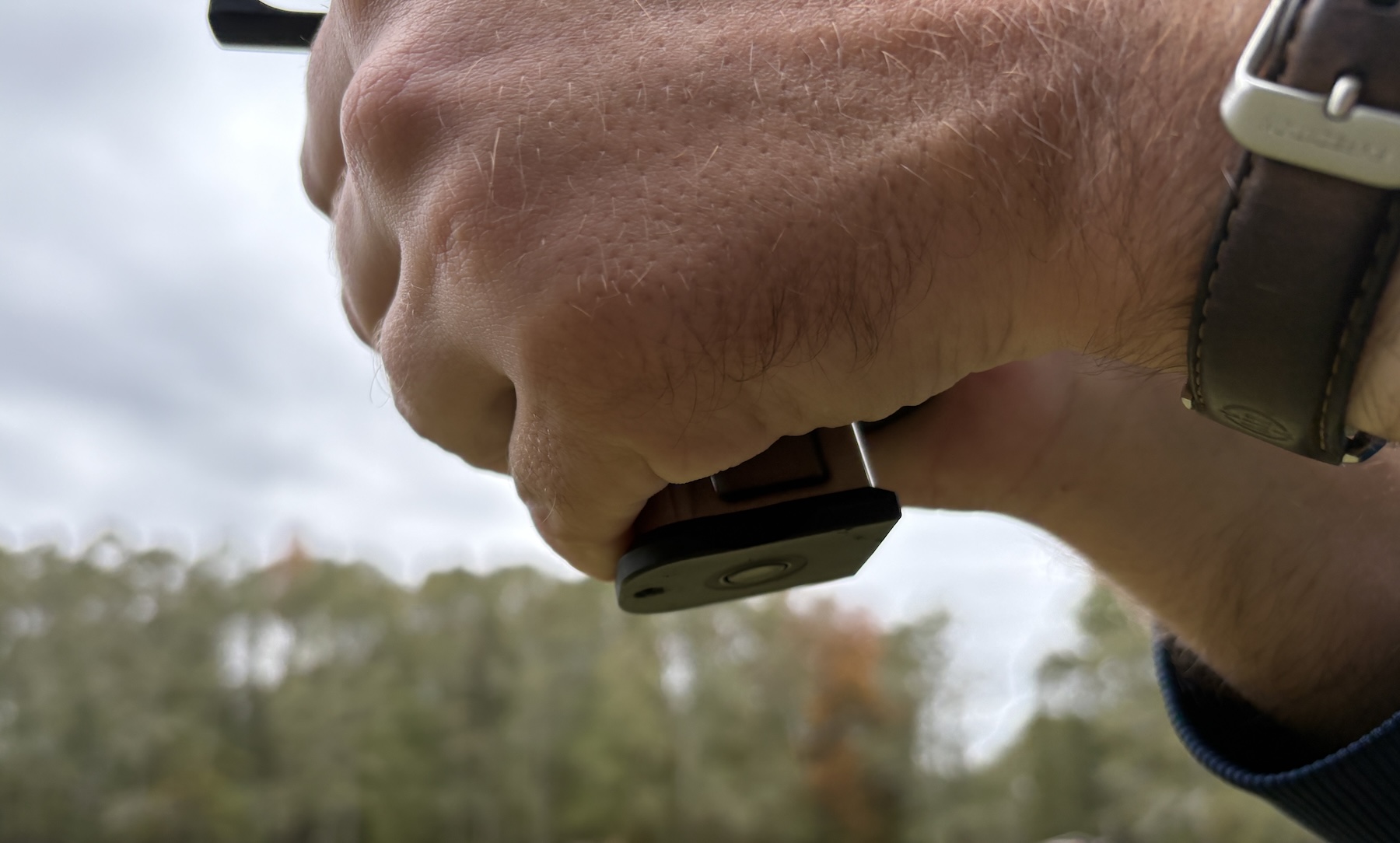
It is not unheard of for a shooter’s grip to inadvertently depress the magazine release.
So, what about the practical application side? (go back to the McCann quote)
Holsters & Grips
My experience? When I was a baby deputy, holster design had not yet evolved to the point it is now. As a left-hander, it was not uncommon to experience an unseated magazine when getting out of the driver’s seat. It was so common that, once the door was open, my left hand would go to the pistol frame and push in on the magazine’s base pad to ensure it was seated. It wasn’t until Safariland’s 6000 series became the norm that I could stop that.

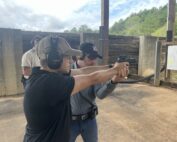
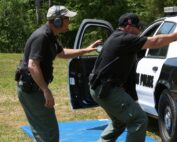
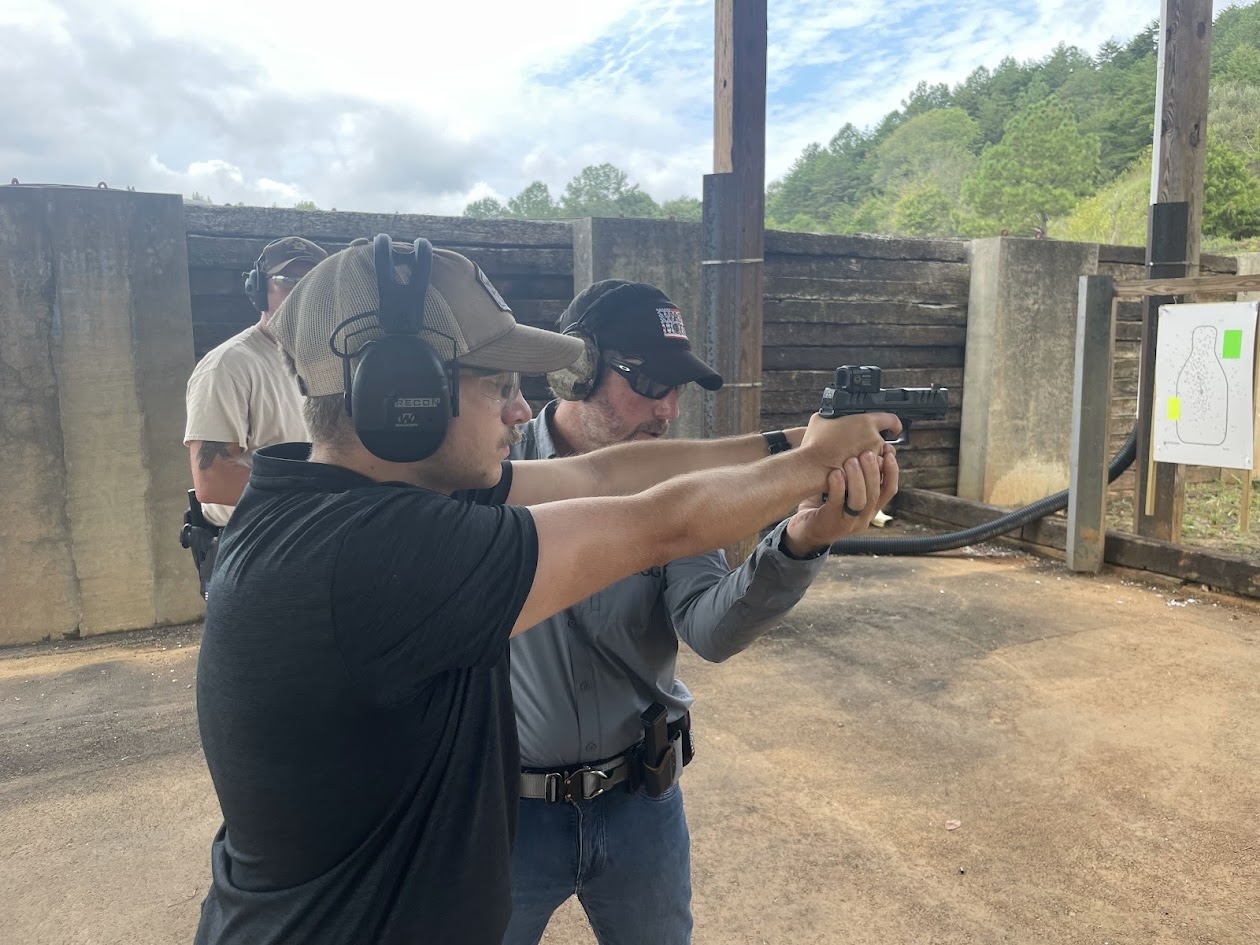
He’s striking the bottom of the magazine with his palm to ensure it is completely seated. He is not tapping it.
Currently, I still see some left-hand IWB and OWB designs that do not protect the magazine release.
I’ll be interested in how common this is for right-handers who have switched their magazine releases to the outside of the frame.
And I still see subtle grip changes that inadvertently depress the magazine release during strings of fire. Some result in a mid-string click, others completely jettison the magazine.
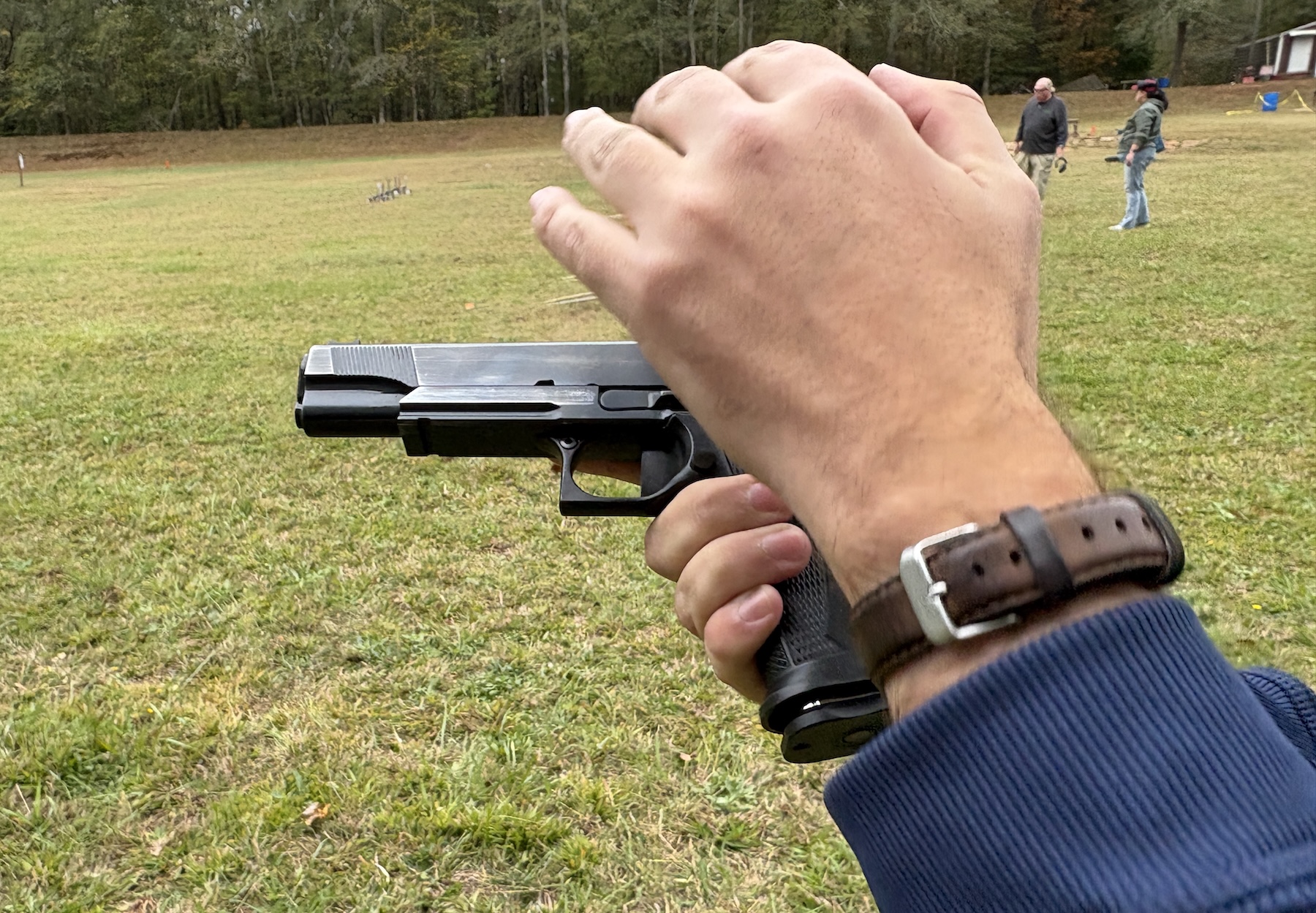
After seating the magazine, the shooter is getting an overhand grip on the optic.
Mike’s Experiences
Mike was a student of mine in several classes while I was still in California. He is very capable, having trained with several notable instructors.
Before one low-light session, Mike told me he had just attended a class with an instructor who advocated bypassing the Tap entirely. He asked what I thought of it. I explained my reasons, essentially those above. And I asked him to keep an eye out in classes and make an informed decision. That night, we had at least three, if not more, failures to fire with unseated magazines.
Data Set
Recently, a friend ran an unscientific poll on social media asking whether respondents had experienced, had seen, had seen & experienced, or hadn’t seen an unseated magazine lead to a failure to fire. Here was the data when he closed it –
86% (191) reported both witnessing and experiencing malfunctions from a magazine that was not fully seated;
8% (16) reported having witnessed such a malfunction.
5% (9) reported having experienced such a malfunction.
1% (4) reported neither having seen nor experienced that stoppage.
Like the poster, I’m in the 86% group.
Now, these respondents had self-selected multiple times.
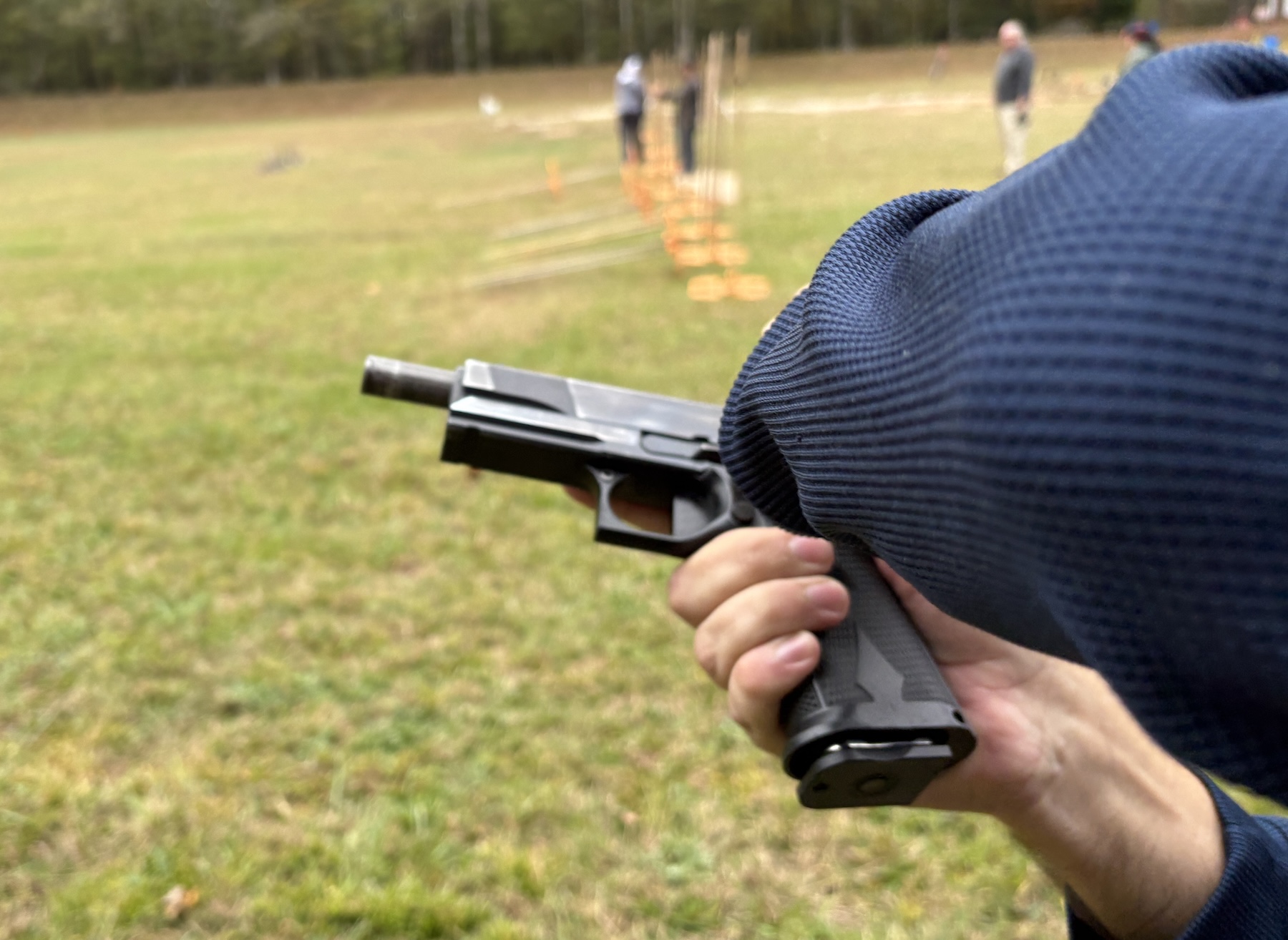
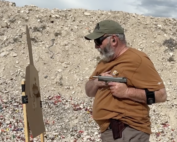
He is pushing the frame forward and pulling the slide rearwards.
Review
Through conversations with a couple of trusted peers, I have adjusted my malfunction clearance. I no longer teach Tap the magazine base pad. Instead, I ensure it’s seated with a palm strike. Or a SMASH.
That is followed by an inboard roll as a lefty, or an outboard roll for those who submitted to the nuns (right-handers). Then I push the frame forward while ripping the slide rearward. Once I feel the weight transfer, I can re-establish my grip and engage from there—if needed.
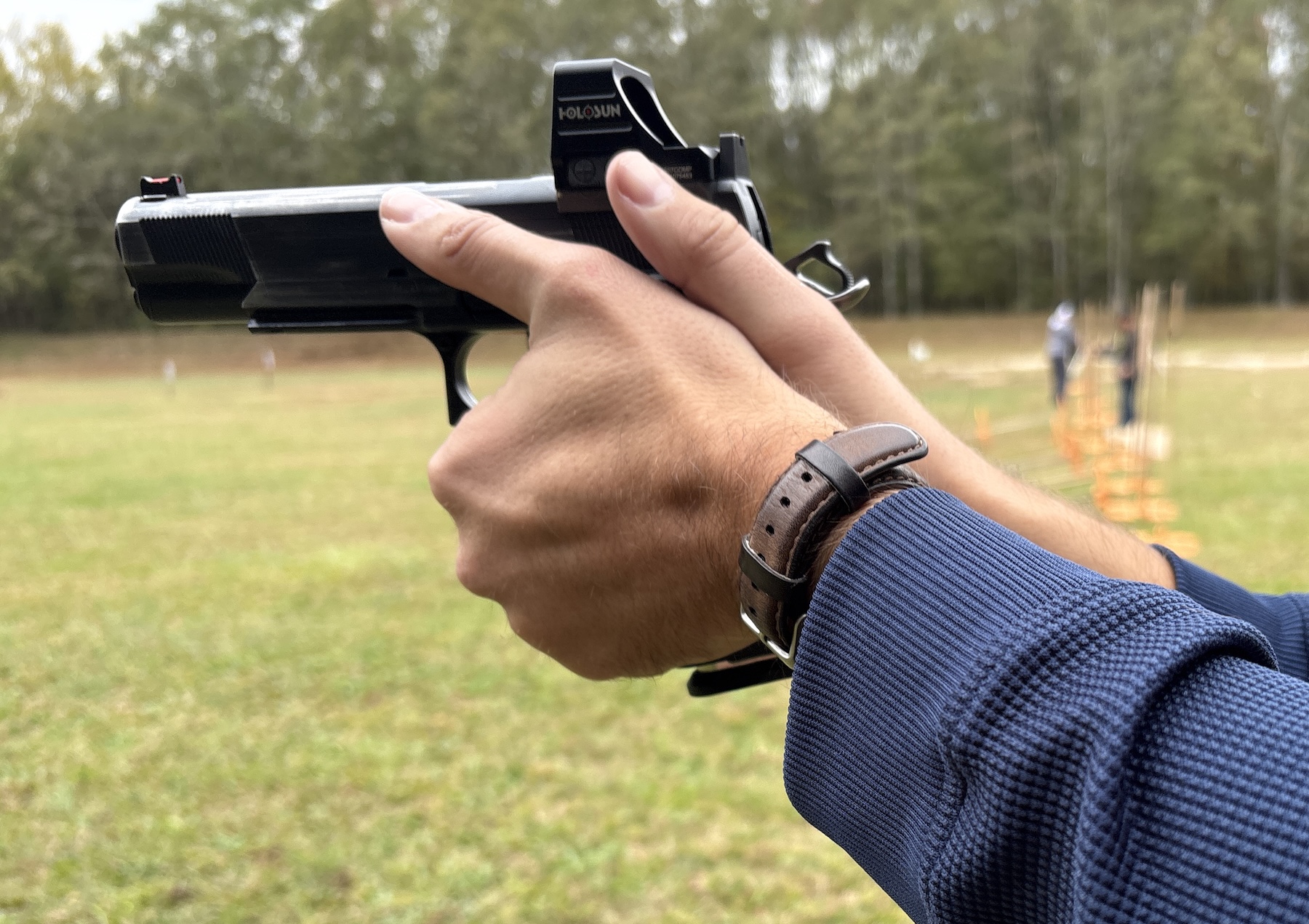
The pistol is back in battery, and the shooter is reacquiring his grip.
Final Thoughts
While there are things about which reasonable people can disagree … You do you. Each of us must decide what TTPEs we will individually adopt and train on.
Look at the data sets and experiences of those advocating for specific methods. When I start seeing advocacy for a method from a variety of backgrounds, it is worth noting. There have been very experienced instructors who advocate bypassing the step of seating the magazine, while others are doing so with little or no practical experience.
What’s the line? It’s not the likelihood, it’s the risk. Wasting time trying to clear a stoppage when you won’t set the conditions to fix it doesn’t make sense.